Ask around in Grenada how long a house takes to build and the answers range from "about a year" to "we started in 2019". Both can be true. The physical construction of a straightforward family house, with funds in place, a capable builder and no surprises, often takes somewhere around nine to fifteen months. The whole journey from buying land to moving in is usually much longer, because design, approval, financing and procurement all come first.
The calendar matters too. Grenada's dry season, roughly January to May, is the easiest time for earthworks and concrete. The rainy season from about June to December brings downpours that slow excavation and finishing, and it overlaps with the Atlantic hurricane season from 1 June to 30 November, when owners want the roof on and the site secured.
This article lays out the stages of a typical build in order, gives realistic ranges for each, explains which ones are sensitive to weather and shows how to plan the start date so that the vulnerable stages fall in the right months. Every project differs, so treat the durations as planning ranges rather than promises.
The stages before any work on site
Owners often underestimate the time that passes before construction begins. The usual sequence, with indicative ranges:
- Securing the plot: title checks, survey, purchase and, for non-nationals, the Alien Landholding Licence. Several months is common, and longer if title issues arise.
- Design: briefing an architect or draughtsman, sketch options, then full drawings with structural engineering. Allow two to four months for a considered design.
- Planning approval: from submission to written approval can take weeks for a simple file or several months for a complex or coastal one.
- Pricing and contracting: issuing drawings to builders, comparing quotes and negotiating a contract. Allow a month or more.
- Finance: if a mortgage or construction loan is involved, approval, valuation and documentation run in parallel but can hold up the start.
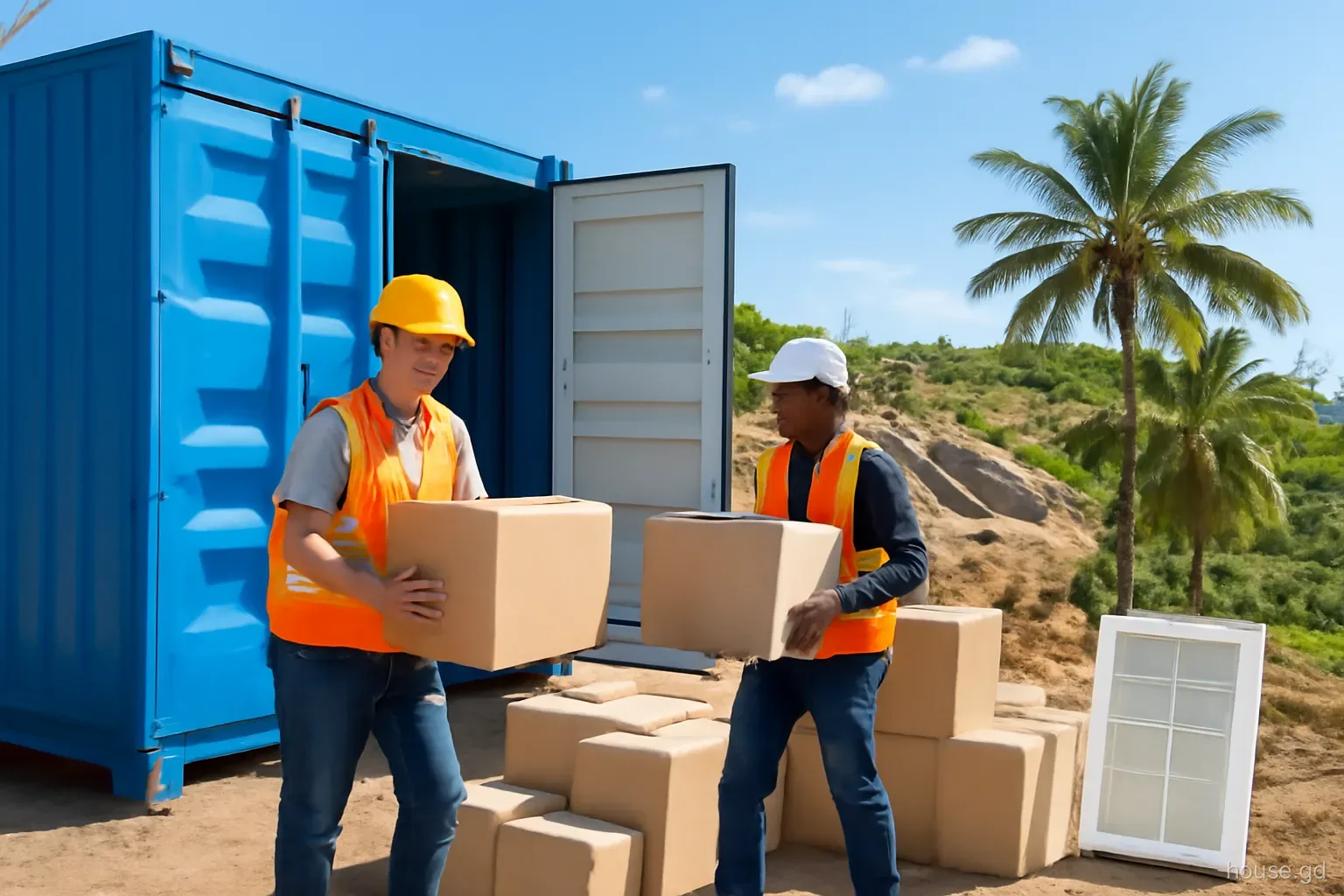
- Ordering long-lead items: windows, doors, shutters and some fittings can take months to arrive if imported, so order them as soon as the design is fixed.
Foundations to ring beam: the structural phase
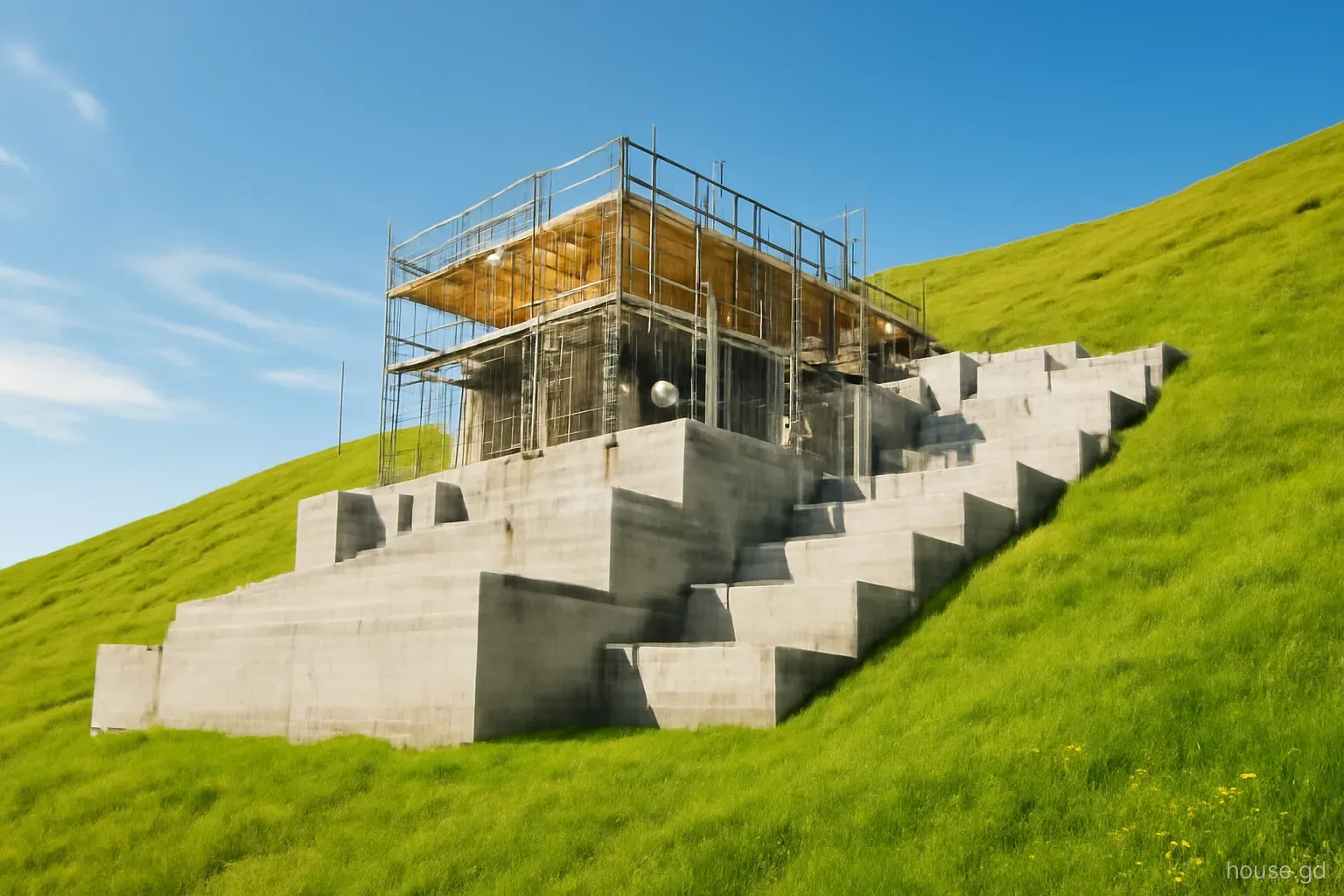
Construction normally starts with clearing, setting out and excavation, followed by footings, ground beams and the ground floor slab. On a level plot with good ground this can take a few weeks; on a hillside with retaining walls and stepped foundations it can take several months. This is the stage most affected by heavy rain, because trenches flood, slopes become unstable and concrete trucks struggle on wet access roads.
Walls and columns follow. Block walls rise course by course, columns are formed and poured, and the structure is tied together by the ring beam at the top of the walls. For a two-storey house, a suspended slab at first-floor level adds formwork, steel fixing, the pour itself and curing time before the next level can start. Each concrete pour should be inspected before it happens, which needs scheduling.
For a typical single-storey family house this structural phase often takes two to four months; for larger or multi-storey houses, considerably longer. Delays here usually come from material shortages, crews being pulled to other jobs, or payments not ready when a stage is completed.
Getting the roof on
The roof is the milestone that changes everything. Once the house is covered, work can continue inside regardless of rain, materials can be stored securely and the building is far less vulnerable to storms. Many owners plan the whole programme around one target: roof on before the heart of the hurricane season, which in Grenada historically means August to October.
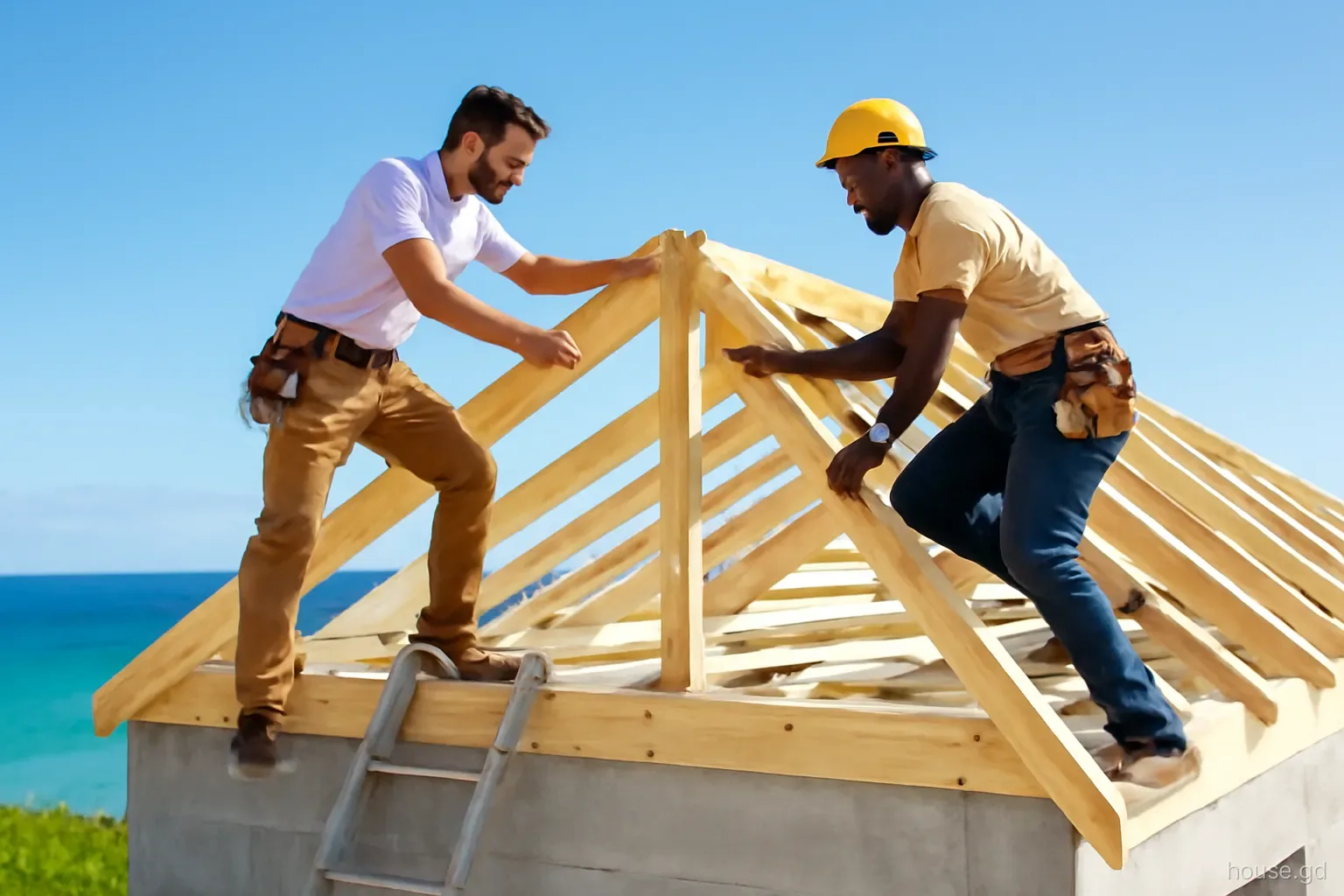
A timber roof structure with sheet roofing can go up in a few weeks once materials are on site. Concrete roof slabs take longer, with formwork, steel, pouring and a curing period before props are removed. Hip roofs with many planes take longer than simple shapes, and every hurricane strap and fixing should be checked before the roof covering hides them.
If the roof cannot be completed before the season, plan for it. Cap exposed column steel, protect wall tops, store roofing materials securely and agree with the builder what happens when a tropical storm watch is issued. Partly built roofs are particularly vulnerable to wind, so a half-finished frame should be braced or temporarily secured.
Finishes: the stage that always takes longer
Owners are often surprised that the house looks almost complete for months while the builder works through the finishes. The finishing phase commonly takes as long as the structure, and sometimes longer, because it involves many trades and many decisions. It typically includes:
- plastering or rendering walls inside and out, and allowing them to dry before painting;
- electrical first fix, then second fix after plastering, plus the GRENLEC connection and inspection process;
- plumbing, water storage, pump and pressure systems, and the NAWASA connection where mains supply is available;
- septic tank and soakaway, if not already built during the structural phase;
- window, door and shutter installation, often waiting on imported products;
- tiling, kitchen and bathroom installation, built-in cupboards and joinery;
- painting, external works, driveway, boundary walls and landscaping;
- snagging: a list of defects, checked and fixed before final payment.
Planning the calendar around the seasons
Start structural work early in the dry season. If approvals and finance allow, beginning excavation in January or February gives the best chance of finishing foundations and walls in drier weather and getting the roof on by mid-year.
Use the rainy season for interior work. Once the house is roofed, rainy months suit plastering, electrics, plumbing, tiling and joinery, which are not much affected by showers.
Order early for the Christmas slowdown. Shipping, suppliers and crews slow around Christmas and the new year, and many workers travel or take time with family. Factor that into delivery dates.
Watch the Carnival period. Spice Mas in August is a major national celebration, and some crews and suppliers work reduced hours around it.
Allow for storms even in a quiet year. A single tropical storm watch can cost several days of preparation and clean-up. Build a margin of a few weeks into any schedule that runs through August to October.
What typically causes delays
Money arriving late. Projects funded in instalments often pause between stages. A pause is cheaper if it falls at a weather-safe point, such as roof on.
Materials and shipping. Imported items delayed in transit or customs hold up the trades that depend on them. Keep a buffer for critical items.
Decisions not made. Tiles, fittings and colours chosen at the last minute stall the finishing trades. Make selections months ahead.
Crew availability. Good builders are busy, and labour moves to whichever site is paying. Clear stage payments and a ready supply of materials keep a crew on your site.
Utility connections. Power and water connections involve separate processes and inspections; start the paperwork before the house is finished.
Design changes mid-build. Moving a wall, enlarging a window or adding a room after work has started means revised drawings, possibly a revised approval, and work undone. Settle the design before the first pour.
Keeping the programme honest
A written programme, even a simple one listing each stage with a start and finish week, turns vague promises into something both owner and builder can check. Ask the builder to prepare it with the contract, and update it monthly. When a stage slips, the programme shows which later stages move with it, and whether a long-lead item now needs to be ordered sooner.
Link the programme to the payment schedule, so that money and progress stay in step. A builder who has been paid ahead of the programme has less reason to keep a full crew on your site; one who is paid promptly for each completed stage has every reason to reach the next one.
Finally, keep a simple site diary or ask your representative to do so: weather, workers present, deliveries and inspections each day. Over a year-long project, that record explains where the time went and settles most arguments about delays before they start.
Frequently asked questions
How long does it take to build a three-bedroom house in Grenada?
Construction alone often takes somewhere around nine to fifteen months for a straightforward three-bedroom house with funds in place. Add design, approval and procurement beforehand, and a year and a half to two years from buying land to moving in is not unusual. Sloping sites and remote management extend it.
What is the best month to start building in Grenada?
Early in the dry season, around January or February, is ideal for starting excavation and concrete work, giving the best chance of getting the roof on before the peak hurricane months. That usually means completing design and approval during the previous year.
Can construction continue during hurricane season?
Yes, most building work continues from June to November. The difference is preparation: loose materials must be secured when a watch is issued, open roofs and scaffolding are vulnerable, and storms can cost days. Plan the roof to be finished before August if you can.
Why do finishes take so long?
Finishing involves many trades working in sequence, waiting for plaster to dry, for imported fittings to arrive and for decisions from the owner. Each small delay compounds. Choosing fittings early, ordering imported items in good time and keeping a clear sequence with the builder shortens this phase.
Does building in phases save money?
It spreads cost over time, which is how many Grenadian homes are built. It also adds cost through remobilising crews, protecting partly built structures and price rises in between. If you build in phases, stop each phase at a weather-safe stage and protect exposed steel and walls.
How long do utility connections take for a new house?
It varies with location and workload. Electricity connection involves GRENLEC and an electrical inspection; water supply involves NAWASA where mains are available. Start enquiries well before completion and keep copies of approvals and inspection certificates, which the utilities may ask to see.