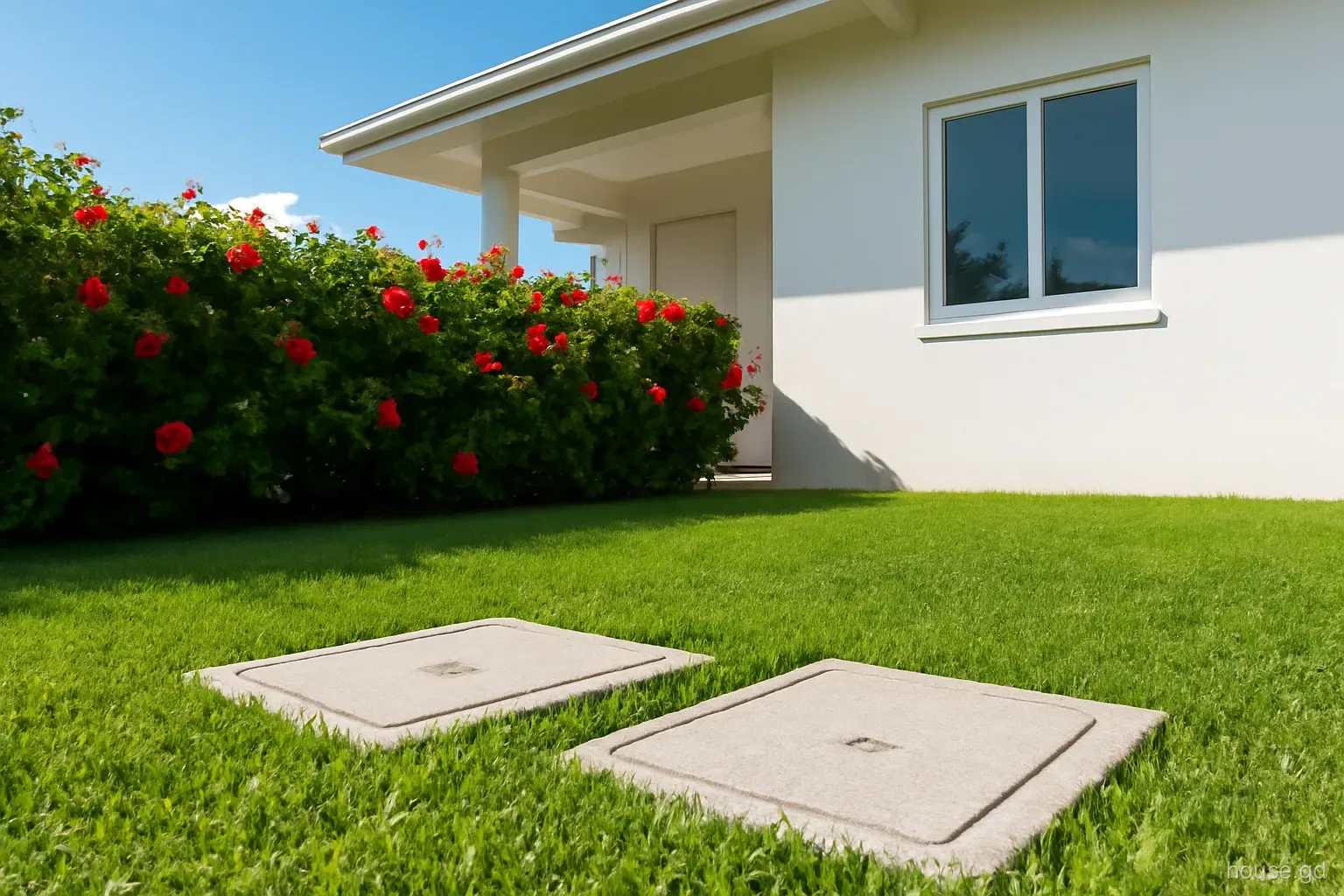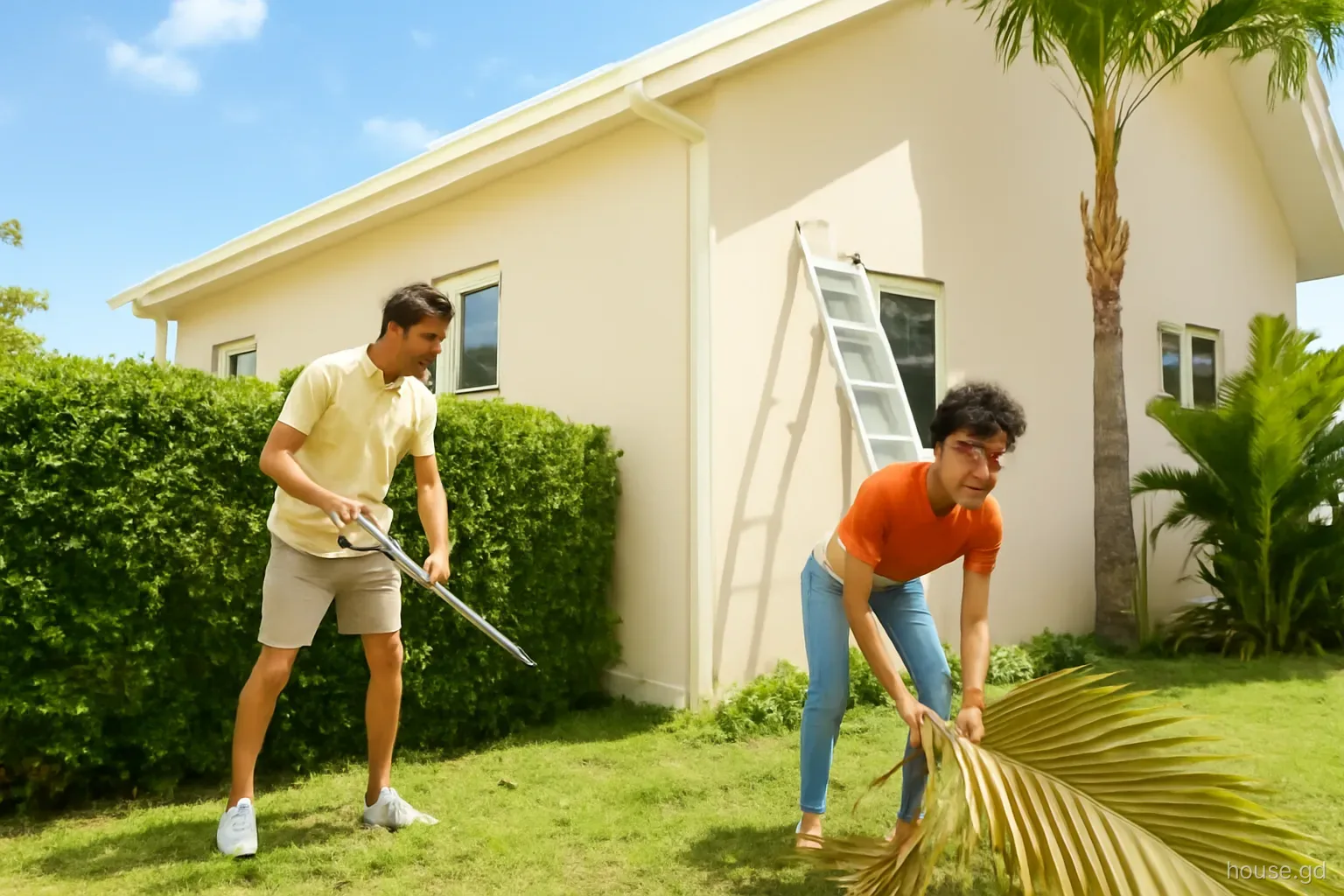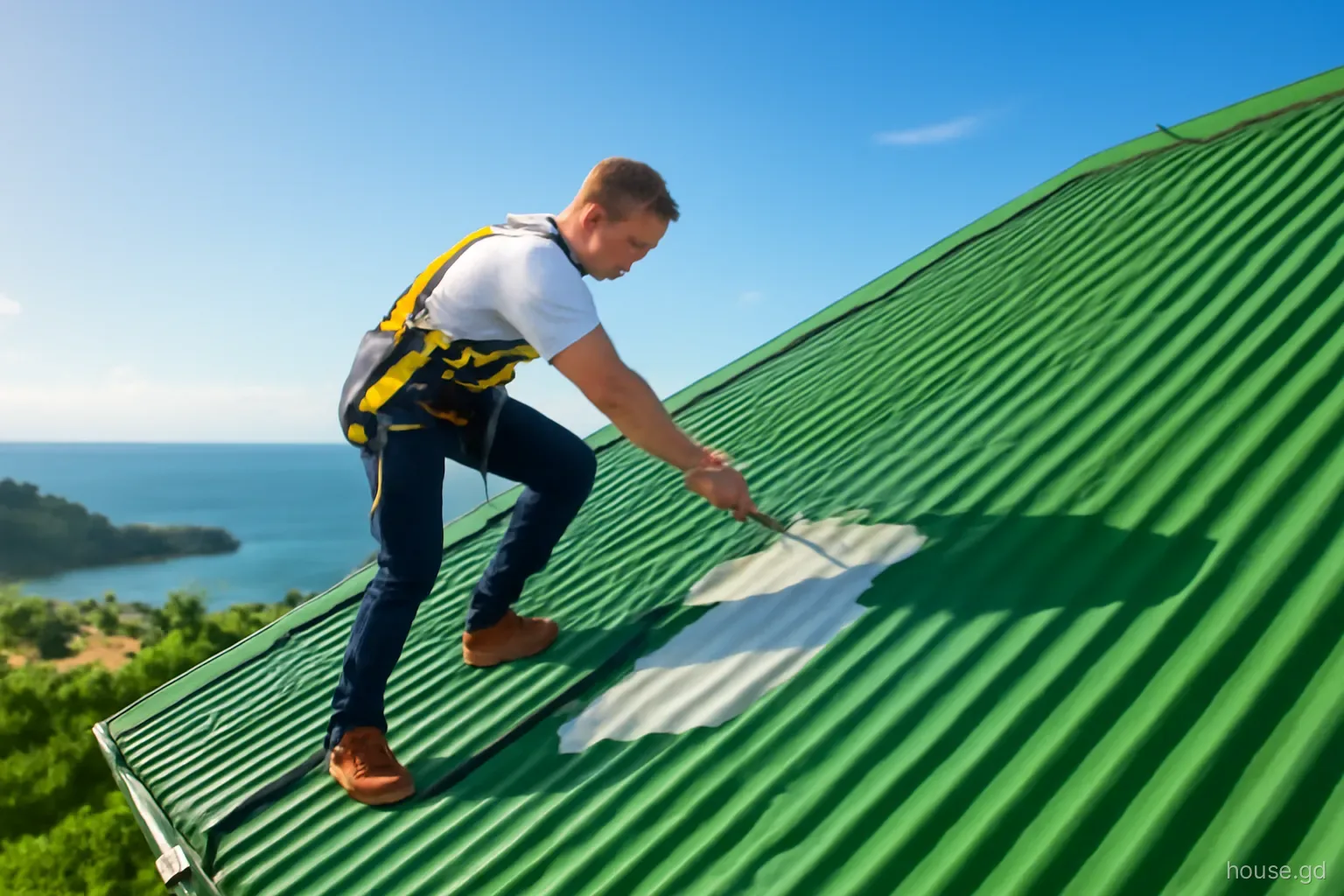
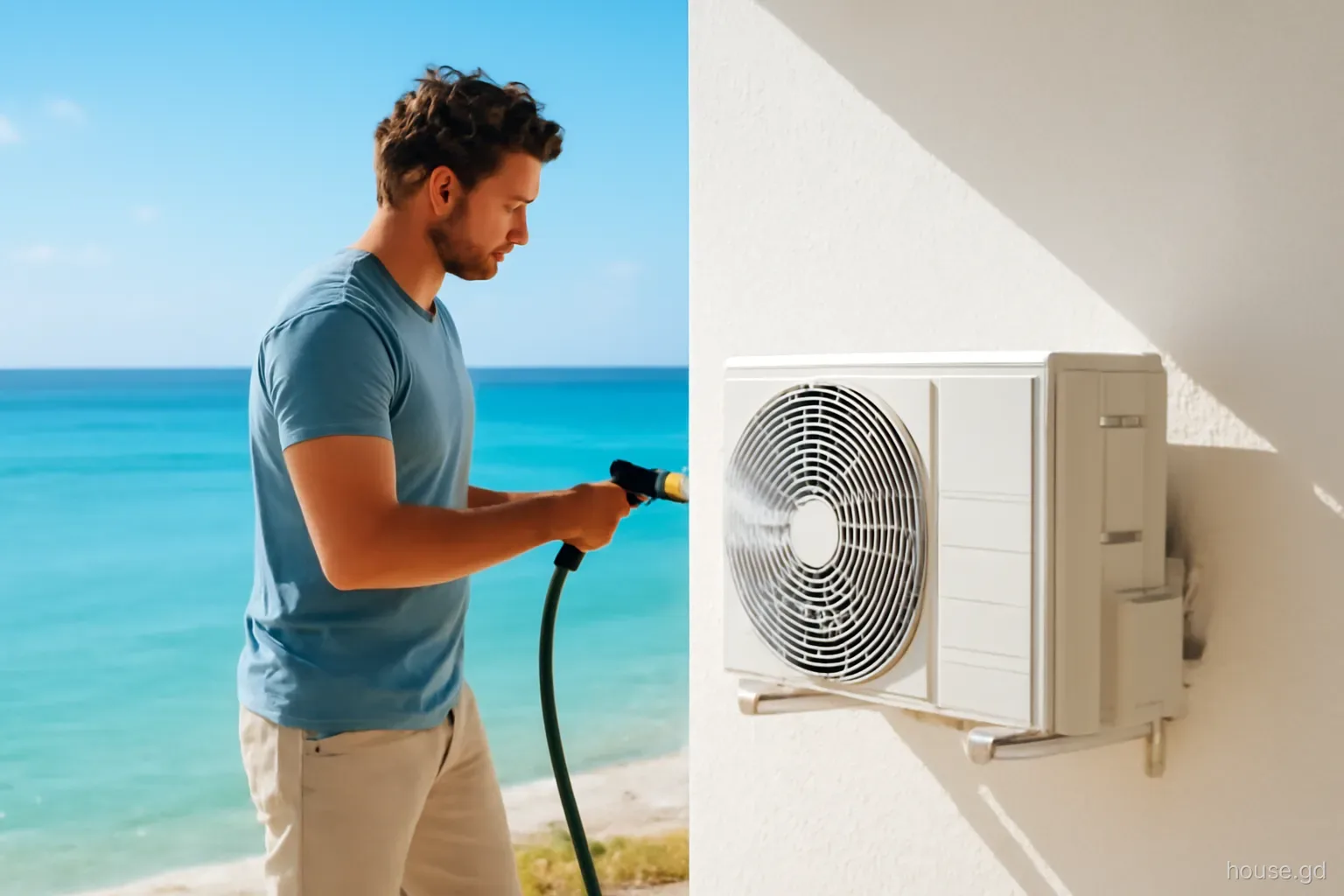
Living close to the sea in Grenada means waking to the sound of waves, and it also means your house is under constant chemical attack. The north-east trade winds carry salt spray across the island, and properties on the waterfront at Lance aux Epines, Westerhall, Grand Anse or along the Atlantic coast near Grenville catch the heaviest dose. Salt settles as a fine film on every surface, draws moisture out of the air and speeds up corrosion dramatically.
Owners who move from temperate climates are often surprised at how quickly things fail: a barbecue rusted through in two years, a light fitting crumbling, an air-conditioning unit that dies far sooner than expected. Much of this is avoidable. The key is knowing which parts of the house go first, choosing materials suited to a marine environment and washing salt off before it can do its work.
What usually fails first
In coastal Grenada homes, these items tend to show corrosion earliest, roughly in this order:
- Air-conditioning outdoor units. Condenser coils are made of thin metal fins that salt eats quickly, cutting efficiency and eventually causing leaks. Units facing the sea or the prevailing wind suffer most.
- Cheap fixings. Ordinary zinc-plated screws, hinges, brackets and bolts rust within months, leaving streaks down walls and loosening whatever they hold.
- Outdoor light fittings and electrical boxes. Metal housings and contacts corrode, causing flickering lights and tripped breakers.
- Roof sheeting and flashings. Galvanised sheet roofing near the sea develops rust at laps, cut edges and around fixings first, especially where water and salt sit.
- Steel reinforcement in concrete. Where concrete is thin, cracked or porous, salt reaches the reinforcing bars, which rust and expand, cracking the concrete from inside. This is called spalling.
- Appliances and electronics. Outdoor kitchens, water heaters, pumps, gates and motors, and even indoor electronics near open windows, have shorter lives on the waterfront.
Choosing materials for a marine environment
Specify materials for the sea from the start. For fixings, hinges, balustrades and fittings, marine-grade stainless steel, usually described as 316 grade, resists salt far better than the common 304 grade, which can still stain and pit near the water. It costs more, but replacing rusted fittings every few years costs more still.
Aluminium window and door frames with a good powder-coated or anodised finish perform well, as do uPVC frames. For roofing, many builders in Grenada now prefer coated steel sheets, aluminium-zinc coated and pre-painted, over plain galvanised sheet, and the screws should match: use roofing screws rated for coastal exposure, with sealing washers, rather than nails.
For air conditioning, ask suppliers about units with factory-applied anti-corrosion coatings on the condenser coils. Some installers apply protective coatings on site. Placing outdoor units on the sheltered side of the building, away from direct sea spray, makes a noticeable difference to their lifespan.
In concrete work, good cover over reinforcing steel, proper curing and sealing exposed surfaces reduce salt penetration. This matters most for verandahs, balconies and pool surrounds facing the sea.
A simple anti-salt routine
Regular washing is the cheapest protection there is. Fresh water dissolves salt before it can draw in moisture and start corrosion. A sensible routine for a waterfront house looks like this:
- Hose down outdoor AC units gently every few weeks with fresh water, from the inside out if the unit allows, never with a pressure washer, which flattens the fins.
- Rinse windows, sliding door tracks, outdoor light fittings and metal railings at the same time, paying attention to the side facing the sea.
- Wipe down outdoor furniture, barbecues and appliances, and cover them when not in use for long periods.
- Lubricate locks, hinges, sliding door rollers and gate mechanisms with a suitable lubricant every couple of months.
- Check roof fixings and flashings at least twice a year, touching up any rust spots with an appropriate primer and paint before they spread.
- After any storm that has driven spray onto the house, give the exterior a thorough freshwater rinse once it is safe to do so.
Painting and protecting exterior surfaces
Paint is a barrier, and on the coast it works harder than anywhere else. Exterior walls should be painted with good-quality exterior paints suited to tropical, coastal conditions, many of which contain additives that resist mildew as well. Elastomeric coatings, which stretch over fine cracks, help keep moisture and salt out of block walls. Surface preparation matters more than brand: salt left on a surface under new paint will lift it.
Metal surfaces need a proper system: remove loose rust, apply a rust-inhibiting primer suited to the metal, then finish coats. Painting directly over rust without priming simply traps the corrosion underneath.
In a seaside location, expect to repaint exterior walls and metalwork more often than inland. Many owners plan a light maintenance repaint of the seaward faces every few years and a full repaint less often. Doing it in the drier months, roughly January to May, gives paint the best chance to cure properly.
Plumbing, electrics and water heaters
Salt does its slowest but most expensive damage in services hidden behind walls and under roofs. Copper and brass plumbing fittings exposed outdoors turn green and eventually leak; outdoor taps, pump housings and pressure tanks need watching. Where possible, run exposed pipework in plastic and protect pumps under a ventilated cover away from direct spray.
Electrical installations are vulnerable too. Outdoor sockets should be weatherproof types rated for exterior use, with covers kept closed. Breaker panels on exterior walls facing the sea suffer corrosion at terminals and busbars, which causes nuisance tripping and, at worst, overheating. A licensed electrician can check connections during routine servicing. Solar water heaters and photovoltaic panels on coastal roofs need corrosion-resistant mounting hardware and periodic inspection of brackets and bolts.
Gates, garage door motors and security lights all have moving parts and electronics that salt attacks. Choose models intended for coastal conditions, keep them lubricated and cleaned, and expect to service them more often than the manufacturer's standard schedule suggests.
Costly mistakes on the coast
Mixing metals. Fixing aluminium with steel screws, or copper pipes touching galvanised steel, causes galvanic corrosion, where one metal eats the other faster than either would corrode alone. Use compatible fixings or insulating washers.
Buying standard appliances for outdoor kitchens. Barbecues, fridges and sinks sold for indoor use or for temperate climates fail fast outdoors here. Look for products rated for marine or coastal use.
Pressure washing everything. High-pressure water damages AC fins, forces water into electrical fittings and strips paint. A gentle hose is usually better.
Ignoring hairline cracks. Small cracks in balconies and columns let salt reach the steel. Seal them early before spalling starts.
Assuming the inland side is safe. Salt travels further than people think, especially on the windward side. Houses several hundred metres back from the beach still benefit from the same routines, if less often.
Spotting concrete spalling early
Concrete spalling is the most serious salt-related problem because it affects structure, not just appearance. Early signs include rust stains bleeding through concrete or render, fine cracks running along the line of a beam, column or slab edge, and hollow sounds when the surface is tapped. Later, pieces of concrete break away to expose rusted steel bars.
Balconies, external stair landings and the edges of flat roofs facing the sea are the places to look first, together with columns at ground level where spray and rainwater collect.
Small areas can be repaired by cutting back to sound concrete, cleaning or replacing the corroded steel, treating it and rebuilding the section with a suitable repair mortar. Extensive spalling, particularly in balconies, cantilevered slabs or columns supporting a roof, needs assessment by a structural engineer. Do not simply plaster over the stains; the steel will continue to rust behind the patch, and the damage will be worse when it reappears.
Frequently asked questions
How long does an air conditioner last near the sea in Grenada?
Lifespans vary widely depending on the unit, its coating, its position and how well it is maintained. Units directly exposed to sea spray can fail years sooner than the same model inland. Coated coils, a sheltered position and regular freshwater rinsing all extend their life.
Is 304 stainless steel good enough for a seaside home?
For fittings directly exposed to spray, 316 marine-grade stainless steel is the safer choice, as 304 can stain and pit in salty air. For items sheltered indoors, 304 is often adequate. Ask suppliers to confirm the grade, as cheap fittings are sometimes described loosely.
Which roofing lasts longest near the coast?
Pre-painted aluminium-zinc coated steel and aluminium sheets generally outlast plain galvanised sheet near the sea, provided they are fixed with compatible coastal-rated screws and cut edges are protected. Concrete roofs avoid metal corrosion but need waterproofing and their own maintenance.
How often should exterior walls be repainted near the sea?
More often than inland. Seaward faces typically need attention every few years, the rest of the house less frequently. The right interval depends on paint quality, exposure and preparation; watch for chalking, peeling, rust stains and mildew as signs it is time.
Does salt air affect indoor electronics?
Yes, particularly in houses with windows open to the sea breeze. Corrosion can affect connectors and circuit boards over time. Air-conditioned rooms with windows closed and occasional dusting reduce the risk. Surge protection also helps with Grenada's occasional power fluctuations.