Most homes in Grenada are not connected to a public sewer. Only some parts of the south-west, around St George's and Grand Anse, have NAWASA sewerage; almost everywhere else, from the villages of St Mark to the hillsides of St David and the whole of Carriacou, wastewater from toilets, showers and kitchens goes into a septic tank on the property and then into a soakaway or drainage field that disperses the treated liquid into the ground.
A septic system that is well designed and looked after can work quietly for decades. One that is neglected can fail suddenly, with smells, slow drains, sewage backing up into the house or overflowing in the yard. Repairs can be disruptive and expensive, and a failed system can contaminate groundwater, streams and the sea. A little understanding and routine care avoid most problems.
How a septic system works
A septic tank is a watertight chamber, usually concrete, buried near the house. Wastewater flows in from the house drains. Inside, solids settle to the bottom as sludge, fats and oils float to the top as scum, and the partly clarified liquid in the middle flows out to the soakaway. Bacteria in the tank break down some of the solids, but not all; the sludge gradually builds up and must be removed periodically.
Many tanks have two chambers, which improves settling. The liquid leaving the tank goes to a soakaway pit, a drainage field of perforated pipes in gravel trenches, or in some designs to further treatment. The soil around the soakaway filters the liquid and soil organisms complete the treatment.
How well the soakaway works depends heavily on the ground. Free-draining soils absorb liquid readily; heavy clay soils, common in parts of Grenada, drain slowly; and rocky, steep or waterlogged sites present their own challenges. This is one reason why planning approval for a new house considers the sewage disposal design and the site.
How often to pump the tank
Sludge builds up steadily. If it is not removed, it eventually flows out of the tank into the soakaway, clogging the soil and causing the system to fail. Replacing a clogged soakaway is far more expensive than regular pumping.
How often a tank needs emptying depends on its size, the number of people in the household and how the system is used. A common guideline is every few years for a typical family home, but a small tank serving a large household, or a guest house with frequent visitors, may need emptying more often. A tank serving one or two people may go longer.
The surest way to know is to have the sludge and scum levels checked. A septic pumping contractor can measure them when emptying the tank and advise on the right interval. Keep a record of each pumping, with the date and the contractor's observations, so you can plan the next one. Use contractors who dispose of the waste at an approved site; the Environmental Health Department of the Ministry of Health can advise on approved arrangements.
Warning signs of trouble
A septic system rarely fails without warning. Most of the signs below build gradually over weeks or months, and catching them early often means the fix is a pump-out or a minor repair rather than a new soakaway. If several appear together, call a septic contractor or plumber promptly and reduce water use until the system has been checked. Watch for these signs:
- Slow drains throughout the house, gurgling sounds in pipes or toilets that are slow to flush.
- Sewage odours inside the house, around the tank or over the soakaway, especially after rain.
- Wastewater backing up into the lowest drains, such as showers or floor drains.
- Unusually green, lush grass or wet, soggy ground over the soakaway area, even in dry weather.
- Standing water or sewage surfacing in the yard near the tank or soakaway.
- Cracked or broken tank lids, or tree roots visible near the tank.
- Repeated blockages that a plumber clears only temporarily.
Inspecting the system yourself
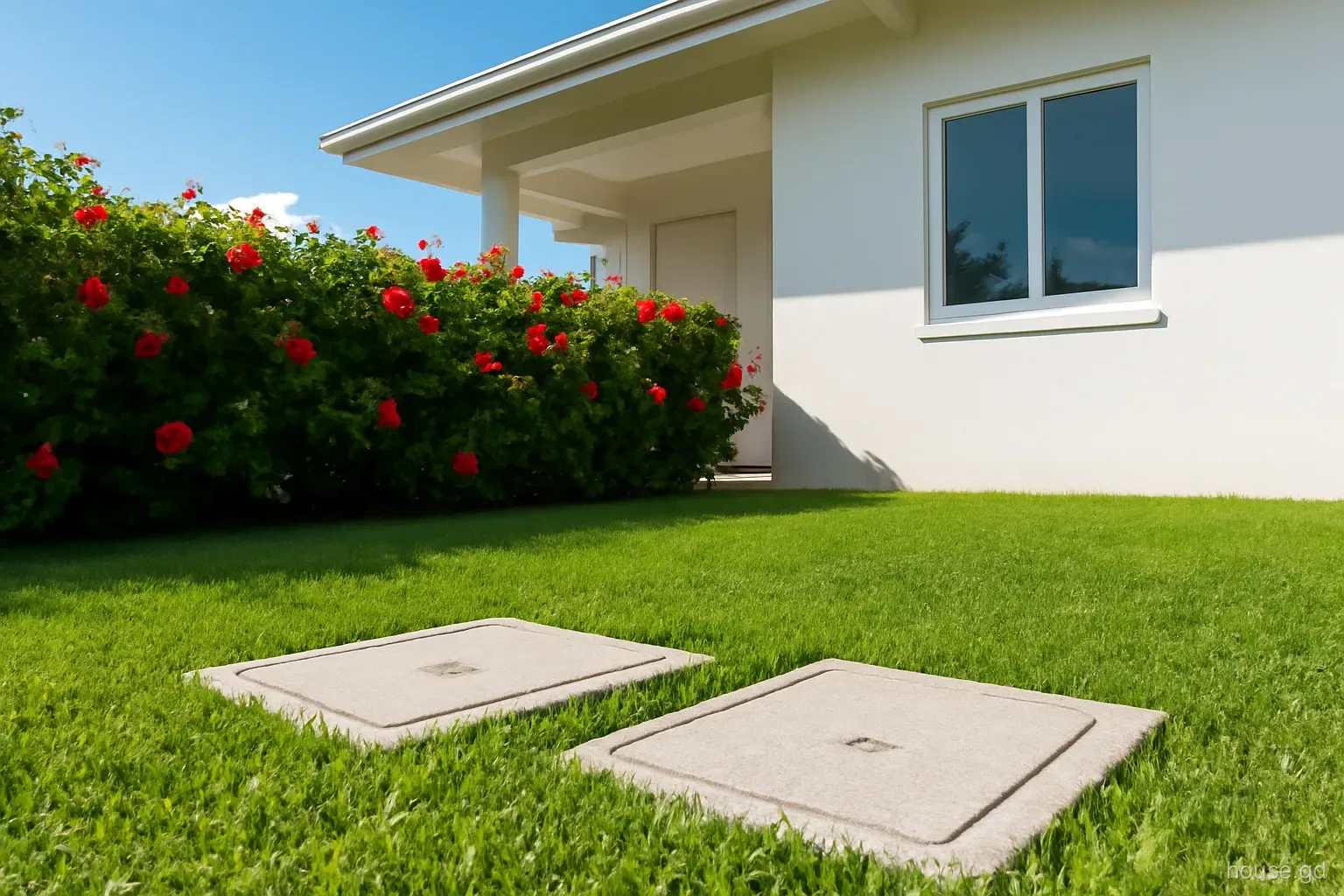
Owners can carry out simple checks between professional visits. Locate the tank lids and the soakaway, and keep the area clear of overgrowth so they are easy to find. Check that lids are intact and secure, since a broken lid is a serious safety hazard, especially for children, and lets rainwater and pests in. Never enter a septic tank or lean into an open one: the gases inside can be toxic and the lack of oxygen can kill within minutes.
Walk over the soakaway area every so often, particularly after heavy rain, looking for soggy ground, odours or unusually lush growth. Inside the house, notice whether drains are getting slower and whether toilets gurgle. Look at inspection chambers on the drain line, if your system has them, to check that wastewater is flowing freely.
Keep a simple record of what you see along with pumping dates. Patterns, such as problems appearing every rainy season, help a contractor diagnose the cause.
What not to put down the drain
Fats, oils and grease. Cooking oil and fat poured down the sink solidifies in pipes and builds the scum layer in the tank. Let it cool, then dispose of it with household waste. A grease trap on the kitchen drain, emptied regularly, helps in busy kitchens.
Wipes and sanitary products. Wet wipes, even those labelled flushable, sanitary towels, tampons, nappies, cotton buds and paper towels do not break down in a septic tank and cause blockages.
Harsh chemicals. Large amounts of bleach, drain cleaners, solvents, paints and pesticides kill the bacteria that help the tank work and can pass into groundwater. Normal household cleaning in moderation is generally fine.
Food waste. Food scraps add to the sludge. Compost them or dispose of them with household rubbish rather than washing them down the sink.
Excess water. Running many loads of laundry in one day, leaking toilets and dripping taps can overload the soakaway. Spread out water use and fix leaks promptly.
Protecting the soakaway
The soakaway is the part of the system most easily damaged and most expensive to replace. Know where it is, and mark its position on a sketch kept with your house papers. Keep vehicles off the area, since their weight compacts the soil and can crush pipes. Do not build on it, pave over it or put a water tank or shed on top.
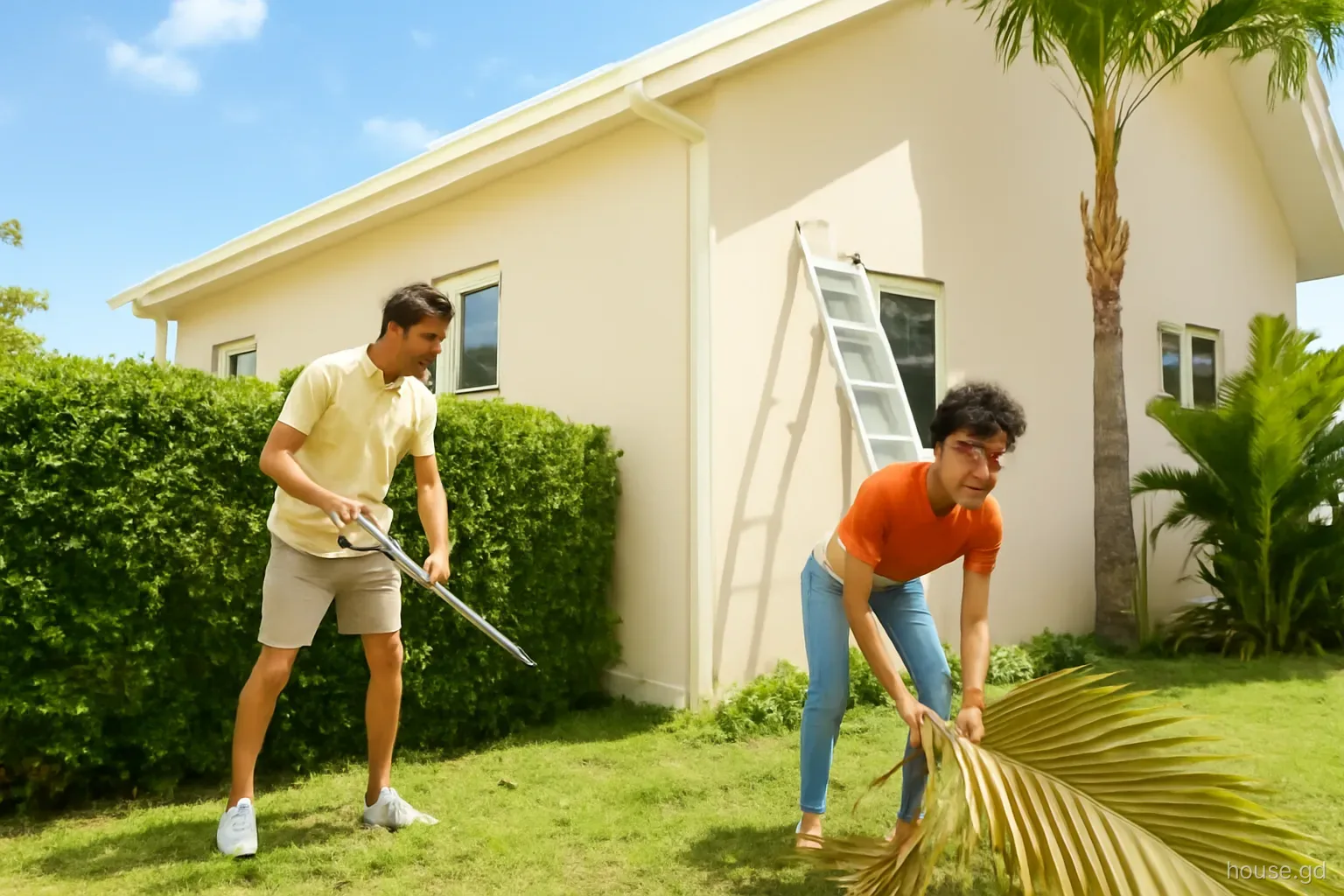
Plant only grass or shallow-rooted plants over and near the soakaway. Trees with aggressive roots, such as some figs and almond trees, can invade pipes and tanks. Direct roof water and surface run-off away from the soakaway, because extra water saturates the soil and reduces its capacity to absorb wastewater.
During the heaviest rainy-season downpours, soakaways in low-lying or poorly drained sites may struggle. If problems appear only during heavy rain, drainage improvements around the soakaway, rather than a new system, may solve them.
Buying, building and extending
When buying. Ask where the septic tank and soakaway are, when the tank was last pumped and whether there have been any problems. Have the system inspected as part of the pre-purchase checks, particularly for older houses and guest houses.
When building. The sewage disposal system forms part of the plans considered for planning approval. Design depends on soil, slope, distance from wells, streams and the sea, and the expected number of occupants. Use a qualified designer and an experienced builder.
When extending. Adding bedrooms, bathrooms or holiday apartments increases wastewater. Check whether the existing tank and soakaway can cope, and include any upgrade in your planning application.
Near the coast and streams. Systems close to the sea, rivers or wetlands need particular care, since failure can pollute water used for swimming and fishing. Environmental and planning authorities take this seriously.
Frequently asked questions
Is my house connected to the sewer in Grenada?
Most houses are not. Public sewerage covers only parts of the south-west, around St George's and Grand Anse. Outside those areas, homes use septic tanks and soakaways. If unsure, ask NAWASA, check the house plans or ask a plumber to identify the system.
How often should a septic tank be pumped?
Typically every few years for a family home, but it depends on tank size, the number of people and how the system is used. Having a contractor measure sludge levels during pumping is the best way to set the right interval for your household.
Can septic tank additives replace pumping?
Additives are widely sold, but they do not remove the accumulated sludge that must be pumped out. A septic system generally works well without them if it is used sensibly and emptied regularly. Ask a qualified plumber or contractor before relying on any product.
What causes a soakaway to fail?
The most common causes are sludge escaping from an overfull tank, excess water from leaks or roof run-off, compaction from vehicles, tree roots and unsuitable soil. Some failures can be fixed by pumping and drainage improvements; others need a new soakaway in fresh ground.
Who regulates septic systems in Grenada?
New systems are considered as part of planning approval through the Planning and Development Authority, while environmental health aspects fall under the Ministry of Health's Environmental Health Department. NAWASA operates public sewerage where it exists. Ask the relevant authority for current requirements.