Houses in Grenada do not follow a four-season calendar, but they do follow a rhythm. The drier months from about January to May are the time for painting, roofing and outdoor work. The wetter months from about June to December bring growth, damp and the hurricane season. Getting the timing right means jobs are done when materials cure properly, contractors are available and the house is ready before it needs to be.
The calendar below spreads the work across the year so nothing piles up. Weather varies from year to year, and a wet April or a dry October can shift things, so treat the months as guides rather than fixed dates. Carriacou and Petite Martinique tend to be drier than the mainland's mountainous interior, while hillside houses in St Andrew or St John may see more rain than the south-west.
January and February: the start of the dry season
With the rains easing and the Christmas breezes still blowing, early in the year is the best time to plan the major outdoor jobs. Inspect the roof thoroughly, inside and out, and book any roofing, painting or concrete repairs while contractors still have space in their diaries. Many owners repaint exterior walls between January and April, when walls are dry and paint cures well.
Clear gutters of the leaves and debris left by the rainy season. Check that drains around the house are clear and that water flows away from foundations. Inspect window and door seals, and touch up rust on railings, gates and metalwork before it spreads. This is also a good time for a termite inspection, since dry conditions make fresh pellet piles and mud tubes easier to spot.
Indoors, empty and air closets, cupboards and storerooms that may have collected mould during the wet months. Sun mattresses, cushions and rugs on clear days, and wash curtains that have absorbed months of humid air.
March, April and May: dry-season heavy jobs
Water becomes the main concern as the dry season deepens. NAWASA supply can be interrupted in some areas, and cistern levels fall. Conserve water, check for leaking taps, toilets and pipes, and plan the annual cistern clean for when the level is lowest, often April or May, so the coming rains refill a clean tank.
Saharan dust, carried across the Atlantic, often hazes the sky at various points from late spring into summer. It settles on roofs, solar panels and cars, and washes into cisterns with the first rains. A first-flush diverter on the cistern inlet helps, and solar panels may need cleaning more often.
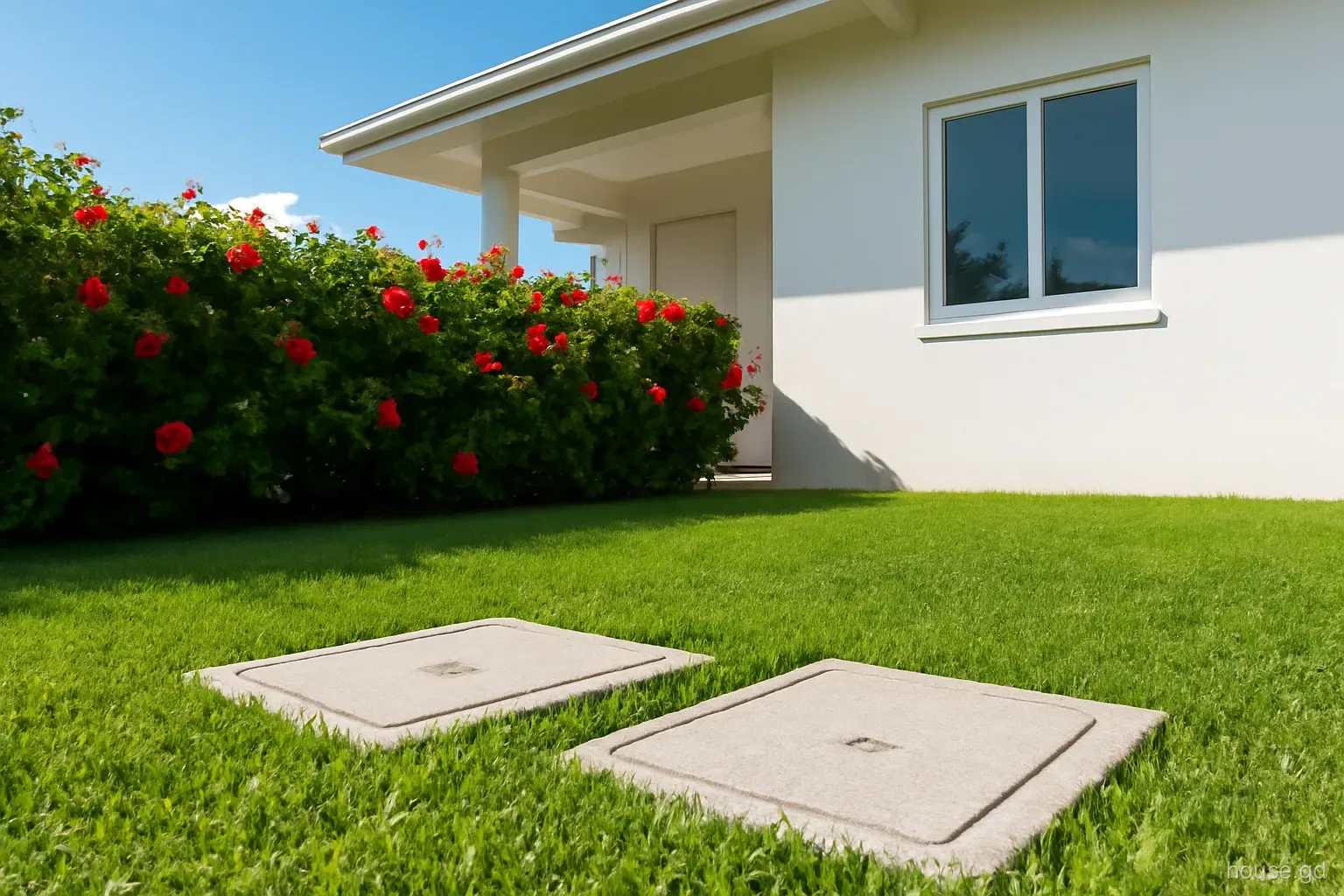
Bush fires are a risk on dry hillsides. Keep long grass and dry bush cut back from the house, avoid burning rubbish, and clear dead leaves from around buildings. Finish exterior painting and roof work by May if possible. Service air-conditioning units before the hottest, most humid months begin.
June and July: preparing for the hurricane season
The Atlantic hurricane season officially runs from 1 June to 30 November. Early in the season is the time to finish storm readiness rather than to begin it:
- Do the second roof inspection of the year, checking screws, ridge caps, flashings and gutters.
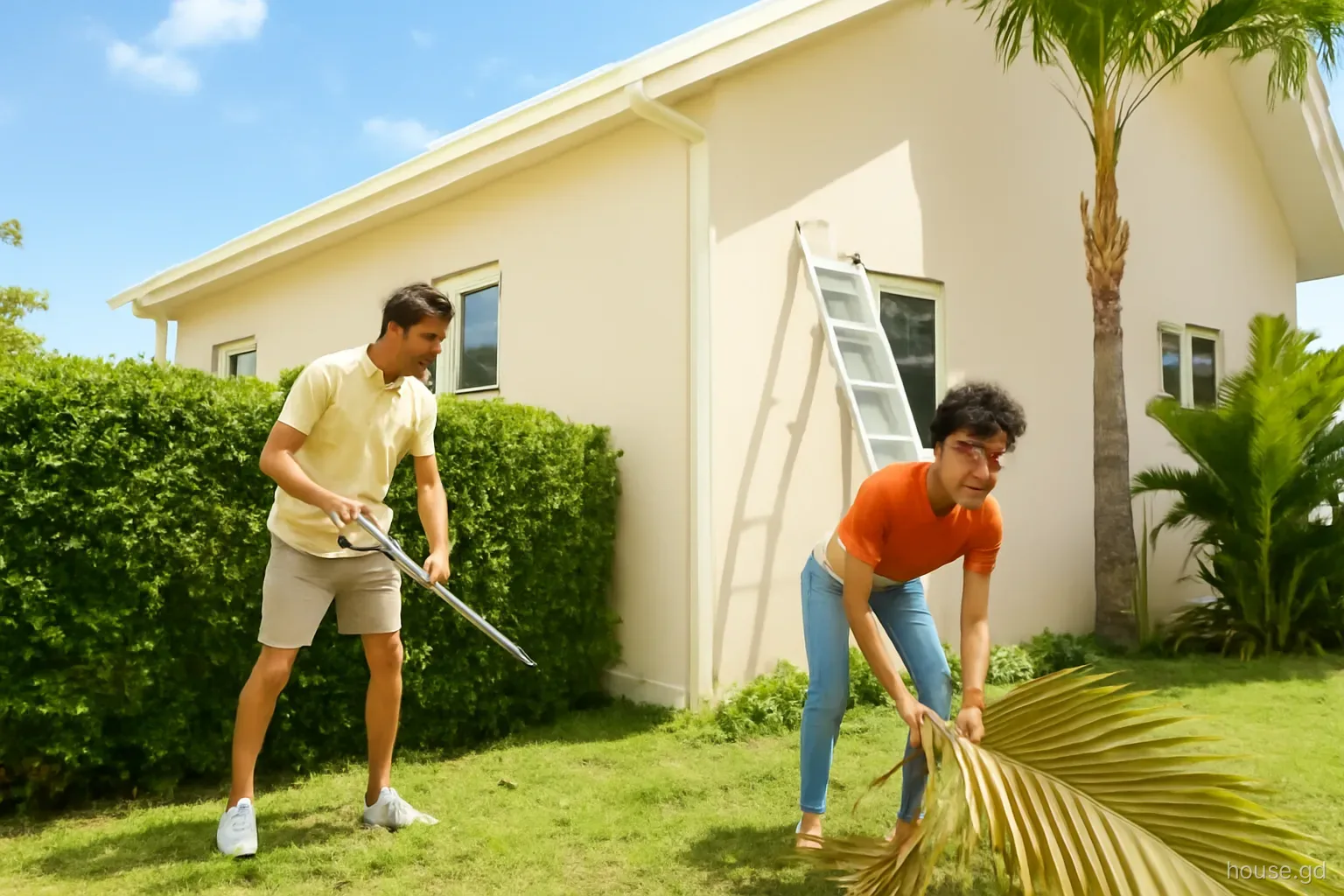
- Trim trees and palms near the house, removing dead branches and coconuts that could become projectiles in strong winds.
- Check hurricane shutters or panels: that all are present, labelled for their openings, with fixings and tools stored together and accessible.
- Service any generator, run it under load and store fuel safely. Check that surge protectors and battery back-ups are working.
- Review your home insurance policy, including windstorm cover and the deductible, and photograph the house and contents for your records.
- Clear drains, culverts and ditches on your property so heavy rain can run off without flooding.
- Stock emergency supplies, including water, torches, batteries, first-aid items and essential documents in waterproof containers.
August, September and October: the wettest, busiest stretch
These months often bring the heaviest rains and the greatest hurricane risk, and Grenada's steep terrain means intense rain can quickly cause flash flooding and landslides. Keep an eye on official forecasts and advisories, and act promptly on warnings from the National Disaster Management Agency (NaDMA) and the Grenada Meteorological Service.
Routine work continues but shifts indoors. Watch for leaks after heavy rain and deal with them while they are small. Run dehumidifiers and fans in rooms prone to mould, keep closets ventilated, and check that gutters and drains have not blocked with storm debris. Mosquitoes breed quickly in standing water after rain, so empty containers, check cistern screens and clear plant saucers and old tyres.
Vegetation grows extraordinarily fast in the warm, wet months. Regular cutting keeps grass, vines and bush away from walls and roofs, where they encourage termites, damp and rodents. After any storm, inspect the roof, gutters, trees and drainage once it is safe to go outside.
November and December: recovery and planning
As the hurricane season ends and the rains ease towards the end of the year, take stock. Walk around the house and note damage from the wet season: stains on ceilings, peeling paint, blocked drains, rot in timber and any movement in walls or retaining structures. Make a list of jobs for the coming dry season and contact contractors early, since January and February are popular.
Clean and service AC units again if they have run heavily through the humid months. Check and clean extractor fans, dryer vents and kitchen hoods. If shutters were installed during the season, inspect, clean and store them properly with their fixings, so they are ready for next year.
Before the Christmas season, when many owners welcome visiting family or let holiday homes, check smoke alarms, gas connections for cookers, water heaters and pumps. A house that has come through the wet season dry and sound is ready for the busiest weeks of the year.
Adjusting the calendar for your house
No two houses need exactly the same routine. A waterfront villa in Lance aux Epines needs more frequent rinsing of AC units and metalwork than an inland house in St Paul's. A board house in a village has more timber to watch for termites than a block house with aluminium windows. A house on a steep hillside needs closer attention to drains, retaining walls and slopes in the rainy season, while a house on flatter ground near a river may need to watch for flooding.
Houses that rely on a cistern need the dry-season cleaning slot; those fully on NAWASA supply can skip it but should still check storage tanks. Owners who let their property to holidaymakers will want the major jobs finished well before the winter season, which runs roughly from December to April, when the house earns most.
Start with the calendar here, then adapt it over the first year of ownership by noting which problems actually appeared and when. By the second year the routine will fit the house.
Year-round habits worth keeping
Monthly walk-around. Ten minutes walking round the house each month, looking at roof edges, gutters, walls, drains and trees, catches most problems early.
Regular AC cleaning. Clean or replace filters on split units roughly monthly in heavy use, and rinse outdoor units, particularly near the sea.
Water checks. Watch the cistern level and the water bill. A sudden change often signals a leak.
Keep records. Note dates of roof painting, termite treatments, cistern cleans and servicing. It makes planning easier and adds value when selling.
Pest control. Keep food sealed, clear rubbish promptly and watch for droppings, ant trails and nests in roof spaces. Rats and cockroaches move indoors when heavy rain floods their usual shelters.
Know your contractors. Build a list of reliable plumbers, electricians, roofers and handymen before you need them urgently. After a storm, everyone is calling the same people.
Frequently asked questions
When is the best time to paint a house in Grenada?
The drier months, roughly January to May, are generally best, because walls are dry and paint cures properly. Avoid painting just before heavy rain. Plan ahead, as painters are often busiest early in the year and before the Christmas season.
When does the hurricane season start in Grenada?
The Atlantic hurricane season officially runs from 1 June to 30 November, with the highest activity usually from August to October. Grenada has been hit by major hurricanes, including Ivan in 2004 and Beryl in 2024, so preparing early each year is wise.
How often should gutters be cleaned?
At least twice a year, ideally before and during the rainy season, and more often if trees overhang the roof. Clean gutters also matter for cistern water quality, since leaves and droppings wash from gutters into stored water.
What maintenance should be done after a storm?
Once it is safe, check the roof for loose sheets or damaged flashings, inspect gutters, drains and trees, look for leaks and water damage indoors, and check the cistern for contamination. Photograph any damage before repairs for insurance purposes.
Does Saharan dust affect houses in Grenada?
It settles on roofs, windows, solar panels and outdoor surfaces, and can wash into cisterns with rain. It also affects air quality, which matters for people with breathing problems. Clean solar panels and use a first-flush diverter on cistern inlets during dusty periods.