The Atlantic hurricane season officially runs from 1 June to 30 November, and in Grenada the most active period has historically been from August to October. That leaves the dry months, and especially May, as the time to get the house ready while the weather is settled, roofers and tree cutters are available and hardware stores have stock.
Preparing in May is cheaper and calmer than preparing when a storm is forecast. Once a tropical storm watch is issued, everyone is buying the same tarpaulins, batteries and plywood, contractors are booked solid and there is no time to replace rusted roof screws or order missing shutter fittings.
This checklist works through the house from the top down, then the garden, the systems and the paperwork. It is designed for owners who live in Grenada and for those who will be away during the season and need someone else to act for them. It complements, rather than replaces, official guidance from the National Disaster Management Agency (NaDMA).
The roof and structure
Start at the top, because the roof is where hurricane damage usually begins. Either go up yourself with proper safety precautions or pay a roofer for an inspection:
- Check every screw or nail at the edges, eaves, ridge and corners; replace any that are loose, missing or rusted with screws and sealing washers.
- Look for lifted sheet edges, cracked or loose ridge caps and damaged flashings around chimneys, vents and solar mountings.
- Inspect the roof space with a torch: look for rusted or missing hurricane straps, signs of leaks, rot and termite damage in rafters and purlins.
- Make sure solar panels, water heaters, satellite dishes and roof-mounted tanks are firmly fixed to the structure.
- Check veranda and carport roofs and their posts, which often fail first.
- On concrete roofs, clear drains and outlets, and check for cracks and failed waterproofing.
- Note any problems that need an engineer or a builder, and book them now rather than in August.
Windows, doors and shutters
Do a full rehearsal. Put up or close every shutter and storm panel at least once before June. Time how long it takes, and note anything that sticks, is missing or no longer fits.
Check the fixings. Look for corroded anchors, missing wing nuts, bent tracks and seized locks. Replace parts now, while suppliers have stock.
Label and store. Number each removable panel and mark the opening it belongs to. Store panels and fixings together, somewhere you can reach quickly.
Lubricate moving parts. Clean and lubricate tracks on accordion and roll-down shutters, especially near the sea. Test manual overrides on motorised systems.
Strengthen doors. Check bolts and hinges on external doors, especially double doors and garage doors, and add heavier bolts where needed.
Brief the household. Make sure everyone, including caretakers, knows how to close every shutter and lock every opening.
Trees, garden and the yard
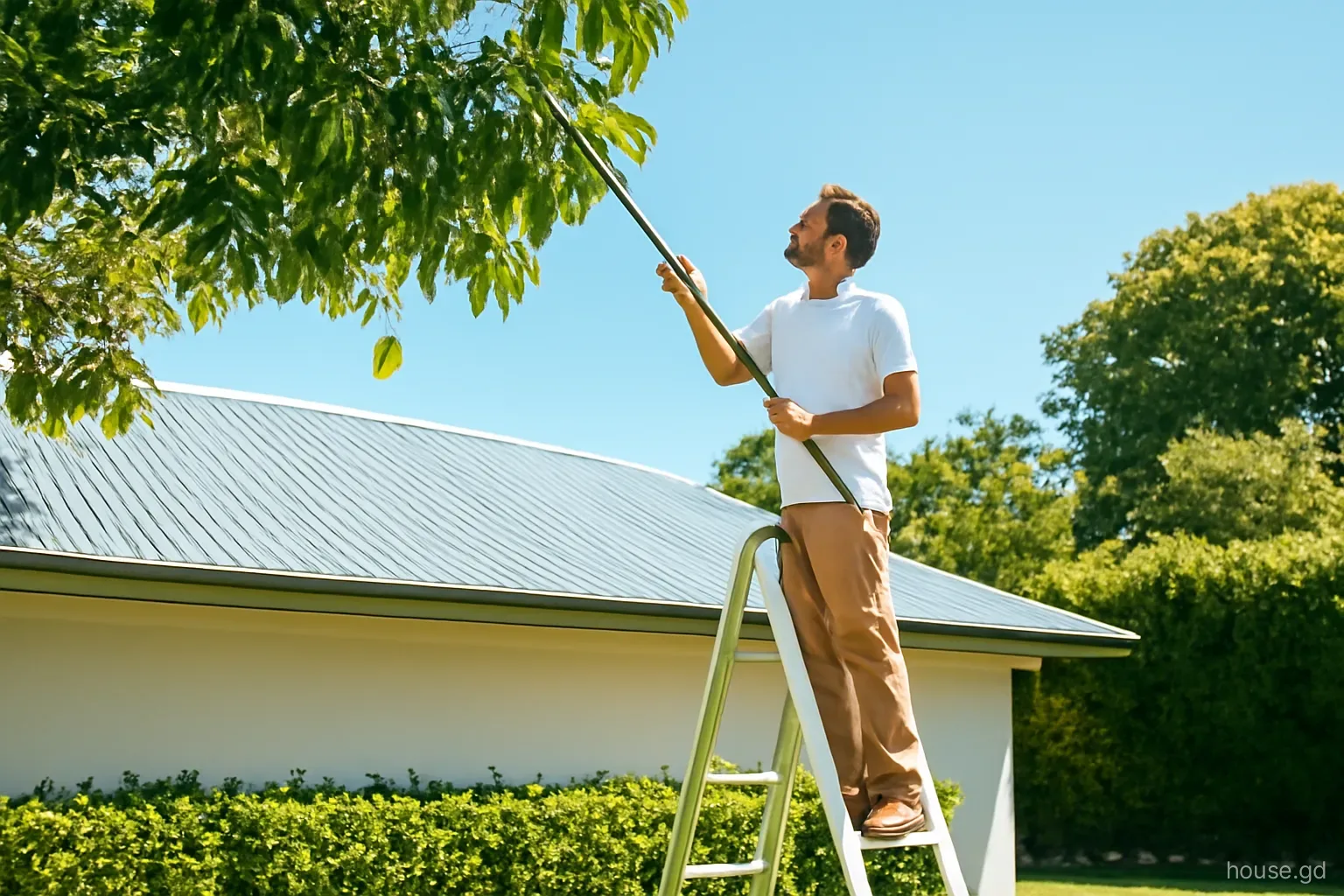
Trees cause a large share of storm damage to houses, roofs and power lines in Grenada. Breadfruit, mango, coconut and other large trees close to the house should be inspected each year, and branches that overhang the roof, power lines or the driveway should be cut back. Coconut palms near buildings should have heavy nuts and dead fronds removed, since both become projectiles in strong wind.
Trim with care. Over-pruning can weaken a tree, and large or dangerous trees, particularly those near power lines, need professionals. Do not attempt to cut near electricity lines yourself; contact GRENLEC about trees touching or threatening its lines.
Then walk the yard and look for anything that could fly. Loose galvanise sheets, old building materials, garden furniture, plant pots, barbecue grills, gas cylinders and children's play equipment should be stored, tied down or disposed of. Plan where everything will go when a storm watch is issued, so securing the yard takes an hour rather than an afternoon.
Water, power and drains
Hurricanes routinely disrupt water and electricity, sometimes for long periods. Before the season:
- Cistern: clean and inspect it, repair any cracks, check the cover is secure and plan to keep it as full as possible through the season.
- Gutters and downpipes: clear leaves and debris so that roof water reaches the cistern and does not overflow against walls.
- Drains and culverts: clear drains around the house and along the driveway so that heavy rain can escape.
- Pump: service it, and consider how water will be drawn if power fails, such as a small generator connection or a manual pump.
- Generator: run it under load, change the oil, check fuel storage arrangements and make sure it can be operated safely outdoors, well away from windows and doors.
- Solar and batteries: check that the system and its mountings are secure, and understand how it behaves during a grid outage.
- Electrical panel: label circuits so you can isolate them quickly if water enters the house.
Supplies, documents and the household plan
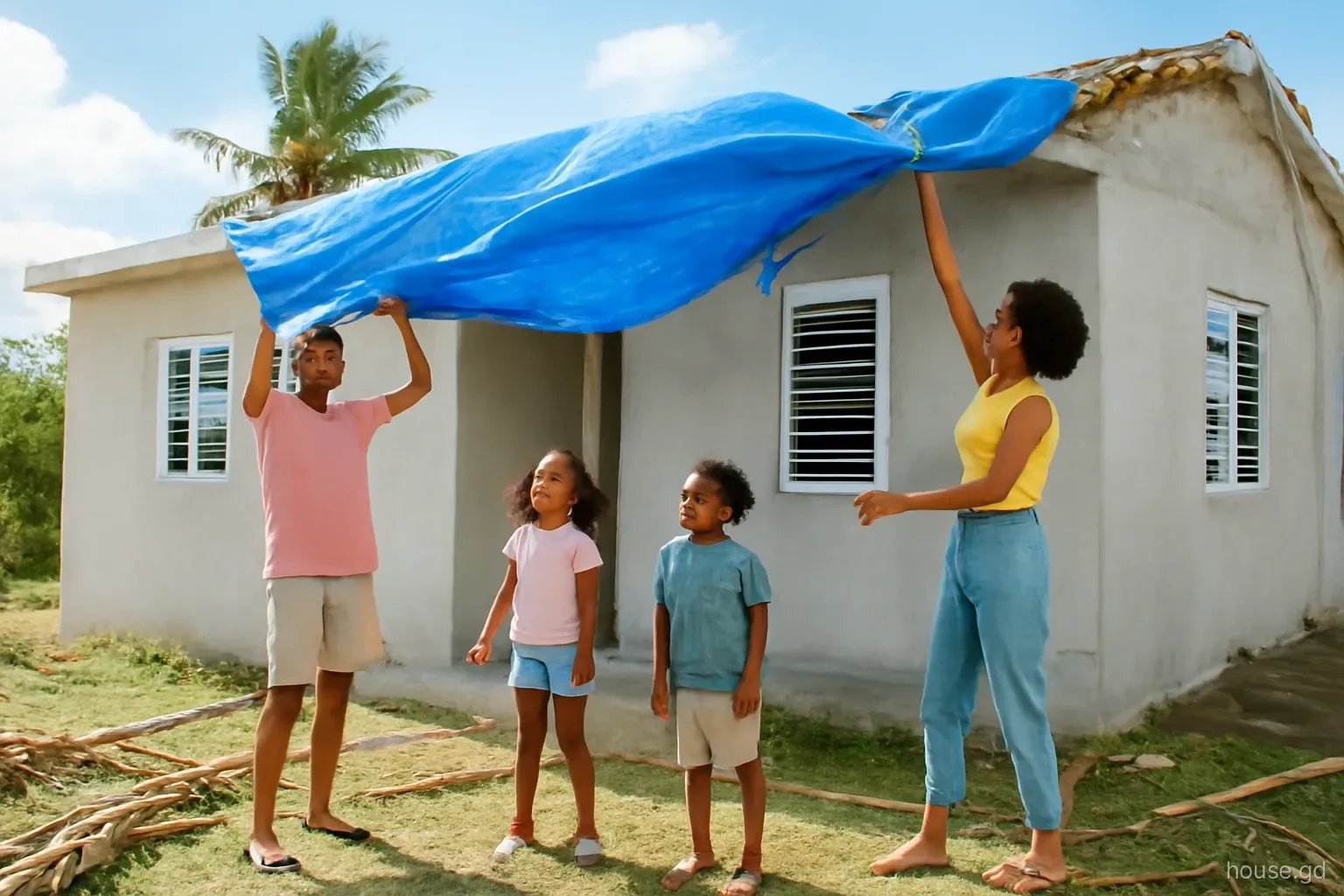
Build up supplies gradually during May and June rather than queuing when a storm is forecast. A household kit typically includes drinking water, non-perishable food for several days, medicines, a first aid kit, torches and batteries, a battery or wind-up radio, phone power banks, a tarpaulin with rope and fixings, basic tools, cash in small notes, and supplies for pets. NaDMA publishes recommended lists, which are worth following.
Gather important documents, including land deeds, insurance policies, passports, identity cards and medical information, in a waterproof container, and keep digital copies stored off the island or in secure online storage. Photograph or video every room and the exterior of the house for insurance purposes.
Agree a household plan. Decide which room is the safest interior space, away from windows. Find out where the nearest official emergency shelter is, in case your house is not safe in a strong storm or you live in an area at risk of flooding or surge. Agree how family members will contact each other if phone networks fail, and who will check on elderly neighbours.
If you will be away during the season
Appoint a caretaker. Choose someone who can close shutters, secure the yard and check the house after a storm. Give them keys, instructions and authority to arrange urgent repairs.
Leave the house storm-ready. If you will be away for the peak months, consider closing shutters before you leave and storing outdoor furniture.
Check insurance conditions. Some policies require shutters to be closed or the house to be checked regularly when unoccupied. Read the wording.
Arrange communication. Agree how your caretaker will report before and after any storm, with photos.
Leave money available. Make sure funds can be accessed locally for emergency repairs and the hurricane deductible.
Turn things off. Before leaving for months, switch off and unplug non-essential appliances, close the gas cylinder valve, and leave clear notes on how to isolate water and power, so a caretaker can act quickly if the house is damaged.
A simple calendar for the rest of the season
Preparation does not end on 1 June. A light routine through the season keeps the house ready without constant worry. In June and July, finish any repairs identified in May and keep building up supplies. Before August, re-check the shutters, top up generator fuel if you rely on one, and confirm your caretaker arrangements if you travel.
Through August, September and October, the peak months, follow forecasts from the Grenada Meteorological Service and keep an eye on systems forming in the Atlantic. When a system threatens, you will then only need to do the last-minute tasks: close shutters, secure the yard, fill containers with water, charge phones and power banks, and move valuables and documents to the safest room.
After each storm or heavy-rain event, walk the house and yard again. Check gutters and drains, look at the roof for lifted sheets, and photograph anything that changed. Small repairs made between storms stop minor damage from becoming major damage in the next one.
Frequently asked questions
When is hurricane season in Grenada?
The Atlantic hurricane season officially runs from 1 June to 30 November. The busiest period historically is from August to October, although Beryl in July 2024 showed that dangerous storms can come early. Preparing the house in May, before the season begins, is the sensible routine.
What is the most important thing to check before hurricane season?
The roof. Loose or rusted fixings at the edges and ridge, missing straps in the roof space and loose roof-mounted equipment are the main causes of storm damage. After the roof, test every shutter and storm panel, and cut back trees that overhang the house.
Should the cistern be kept full in hurricane season?
Yes, as far as possible. Public water supply can be disrupted for days or longer after a storm, and a full, clean cistern provides water for washing, flushing and, with proper treatment, drinking. Check its cover is secure, so debris and contaminated water cannot get in.
Where can official hurricane advice be found in Grenada?
The National Disaster Management Agency, NaDMA, issues guidance and coordinates shelters and disaster response. The Grenada Meteorological Service issues local forecasts, watches and warnings. Follow official bulletins on local radio and through government channels when a storm threatens.
Is it safe to run a generator during or after a hurricane?
Only outdoors, in a well-ventilated area well away from doors and windows, because exhaust fumes contain deadly carbon monoxide. Never run a generator inside the house or in an enclosed garage. Connect it through a proper transfer switch, never by back-feeding the house wiring.
What if the house is not strong enough to shelter in?
If your house has a weak roof, is in a flood or surge zone, or is otherwise unsafe, plan to go to a family member's stronger house or an official shelter. Find out in advance where the nearest designated shelter is and what to bring.