The hours and days after a hurricane are dangerous in ways that surprise many people. Fallen power lines, damaged structures, contaminated water, chainsaws and roofs climbed in a hurry cause injuries after the wind has dropped. At the same time, the clock is running on the house: rain coming through a damaged roof, soaked walls and furniture, and the mould that follows within days in Grenada's heat and humidity.
A clear order of priorities helps. First, people and safety. Then record the damage, stop further water getting in, and dry the house out. Only then move to permanent repairs, ideally done properly rather than in a hurry, which was one of the main lessons of the rebuilding after Ivan.
This guide covers what to do in that order, from the first walk around the house to choosing builders for repairs. Follow instructions from the National Disaster Management Agency (NaDMA) and other authorities, and call 911 in an emergency.
First checks: safety before anything else
Do not go outside until official word that the storm has passed; the calm of the eye can be followed by winds from the opposite direction. Once it is safe:
- Check everyone in the household for injuries, and check on neighbours, especially elderly people living alone.
- Stay away from fallen or sagging power lines and anything touching them, including fences and water. Report them, and treat every line as live.
- If you smell gas, leave the house, do not use switches or flames, and close the cylinder valve if it is safe to do so.
- Look at the structure before going in: sagging roofs, cracked or leaning walls and damaged columns are signs to stay out until a builder or engineer has looked.
- Switch off the electricity at the main panel if water has entered the house or wiring is damaged; do not touch the panel while standing in water.
- Wear sturdy shoes and gloves; debris, nails and broken glass are everywhere after a storm.
- Only run generators outdoors, well away from doors and windows.
Record the damage before you clear it
Before you move debris or start repairs, photograph and video everything: the roof from as many angles as you can safely reach, each room, damaged contents, the exterior walls, fences, outbuildings and the yard. Take wide shots that show context and close-ups of specific damage. These records are the basis of any insurance claim, and they help when you brief builders and engineers.
Contact your insurer or agent as soon as communications allow, report the loss and ask for the claim reference and the next steps. Insurers usually expect owners to take reasonable measures to prevent further damage, such as covering a roof, so you do not need to wait for an adjuster before doing that, but keep receipts for materials and labour and photograph the temporary work.
Keep damaged items, if possible, until the adjuster has seen them or confirmed that photographs are enough. Make a list of damaged contents with approximate ages and values. If you are abroad, ask your caretaker to do this and send the files to you promptly.
Stopping the water: emergency roof cover
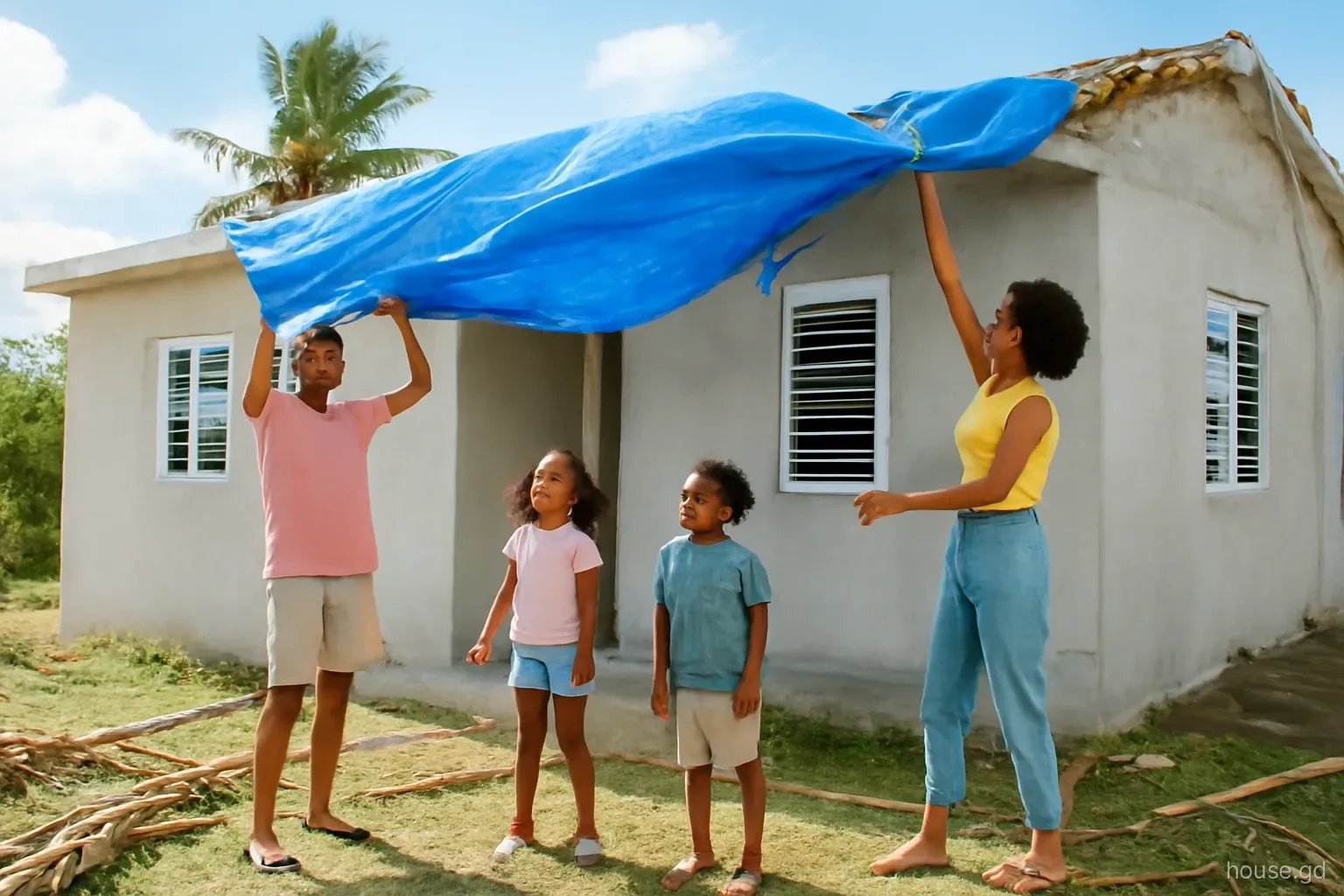
Cover the gaps quickly. Rain often follows a hurricane. A heavy-duty tarpaulin over damaged sections, secured properly, protects the interior while you arrange repairs.
Fix it so it will not fly. Tarpaulins flapping in the wind tear and can do more damage. Wrap the edges around timber battens and screw the battens down, rather than relying on bricks or rope alone.
Work safely. Wet, damaged roofs are slippery and weak. If you are not experienced, pay someone who is; falls from roofs are a common post-storm injury.
Salvage materials carefully. Undamaged sheets and fixings can be reused, but bent sheets and rusted screws should not go back on the permanent roof.
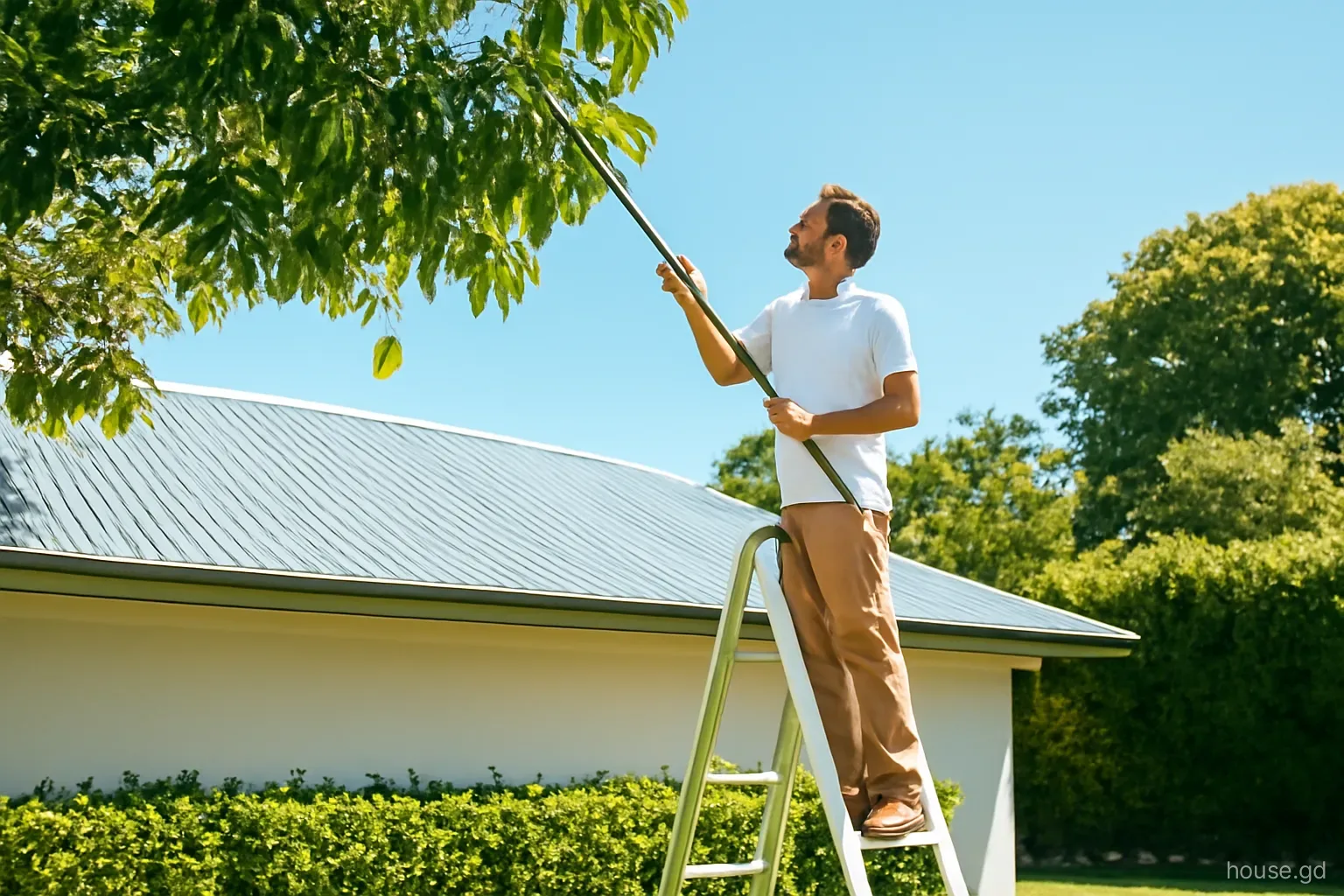
Clear gutters and drains. Debris-blocked gutters and drains send water into walls and foundations. Clearing them quickly reduces further damage.
Drying out and beating mould
In Grenada's heat and humidity, mould can start growing on wet surfaces within a day or two. Drying the house quickly is the most important step in limiting long-term damage. Open the house up whenever it is not raining, use fans if you have power, and move wet furniture, rugs and mattresses outside to dry or dispose of them if they cannot be saved.
Remove soaked ceiling boards, insulation and plasterboard that cannot dry quickly, since they hold moisture and become a source of mould. Clean hard surfaces with detergent and water, and dry them thoroughly. Wear gloves and a mask when handling mouldy materials, and keep children and people with breathing problems away from affected areas.
Have electrical systems checked by a licensed electrician before switching power back on in rooms where water entered walls, ceilings or sockets. Appliances that were submerged or soaked should be inspected before use. Water damage inside walls can cause problems that appear only weeks later.
Water, food and the cistern
Water and food safety are a major concern after storms, when mains supply may be disrupted and cisterns can be contaminated. Take these precautions:
- check the cistern for damage and for debris or flood water entering through a broken cover or overflow;
- treat or boil water from the cistern before drinking until you are sure it is clean, following official guidance on treatment;
- if flood water entered the cistern, it will need to be emptied, cleaned and disinfected before refilling;
- listen for public health advice from the Ministry of Health on boiling water and safe use of public supplies;
- throw away food that has been in contact with flood water or that spoiled during power cuts;
- clear standing water around the house to reduce mosquito breeding, since outbreaks of mosquito-borne illness can follow storms;
- keep the septic system in mind: if flooding affected it, avoid heavy water use and have it checked.
Living in the house while it is repaired
Many families stay in a partly damaged house while repairs go on, often for weeks or months after a major storm. That is workable if the structure is sound, but think through the practicalities. Keep one or two rooms dry and secure as living space, protect them with tarpaulins and plastic sheeting, and move valuables and documents there.
Power may be off for a long time after a severe hurricane, as it was in many areas after Ivan. A small generator, solar lights, battery fans and a way to keep food cold make the period far more bearable, but every one of them should be used safely. Keep a fire extinguisher handy and never refuel a hot generator.
If the house is not safe, ask NaDMA or your district disaster committee about shelter options and assistance programmes, and check whether your insurance includes alternative accommodation while repairs are made.
Permanent repairs: doing it properly
Do not rush the permanent fix. After a major storm, materials and labour are scarce and prices rise. A good temporary cover buys time to repair properly rather than repeat old weaknesses.
Fix the cause, not just the symptom. If the roof failed because of missing straps or poor fixings, repair the connections, not just the sheets. Ask your builder to show you the straps before the roof is closed.
Use qualified people for structure. Damaged columns, beams, walls or roof structures need an engineer's assessment. Cosmetic repairs over structural damage store up danger.
Watch out for opportunists. Be wary of unknown contractors asking for large deposits. Ask for references, agree written prices and pay in stages.
Check approvals. Like-for-like repairs usually need no planning approval, but rebuilding or significant alterations may. Ask the Physical Planning Unit if in doubt.
Keep records. Receipts, photographs and engineer reports support insurance claims and future sale.
Frequently asked questions
Is it safe to go outside when a hurricane seems to have passed?
Only when official sources confirm the storm has moved away. If the eye passes over, the calm can be followed quickly by strong winds from the opposite direction. Even after the storm, fallen power lines, debris and damaged buildings make the first hours dangerous, so move carefully.
Should damage be photographed before cleaning up?
Yes. Photograph and video the roof, rooms, contents and exterior before moving debris, then take reasonable steps to prevent further damage, such as covering the roof. Keep receipts for emergency work. These records support your insurance claim and help builders understand what happened.
How quickly does mould grow after storm water damage?
In Grenada's heat and humidity, mould can start to grow within a day or two on wet materials. Open the house to dry, remove soaked ceiling boards, insulation and furnishings that cannot be dried, and clean surfaces thoroughly. Wear gloves and a mask when handling mouldy material.
Is cistern water safe to drink after a hurricane?
Not until you are sure it is clean. Debris or flood water may have entered through damaged covers or overflows. Boil or treat water according to official guidance, and if flood water got in, empty, clean and disinfect the cistern before refilling it.
How should a tarpaulin be fixed to a damaged roof?
Lay a heavy-duty tarpaulin over the damaged area with generous overlap onto sound roofing, wrap the edges around timber battens and screw the battens to the roof structure. Avoid relying on loose weights or rope alone. If the roof is steep, wet or badly damaged, hire someone experienced.
How can storm repair scams be avoided?
Use contractors with references you can check, ideally people known in the community. Get written quotes, avoid large upfront payments, pay in stages as work is completed and keep receipts. For structural damage, ask an engineer to define the repair before inviting prices.