For decades after Hurricane Janet in 1955, many Grenadians believed the island sat south of the main hurricane track. Hurricane Ivan ended that belief on 7 September 2004. Passing just off the south coast as a major hurricane, it damaged or destroyed the large majority of the island's homes, tore roofs from schools, churches and public buildings, and stripped forests and nutmeg trees across the island. Hurricane Emily brought further damage the following year, particularly to Carriacou and the north.
Twenty years later, on 1 July 2024, Hurricane Beryl, an exceptionally powerful storm for so early in the season, struck Carriacou and Petite Martinique as a Category 4 hurricane. The damage on the sister islands was devastating, with most buildings damaged and many destroyed, while the main island escaped the core of the storm.
Both storms were tragedies, and both were also enormous, unplanned tests of how houses are built. Engineers, insurers and builders have drawn consistent lessons from them. This article sets out those lessons for anyone building, buying or repairing a home in Grenada today.
Lesson one: roofs fail first, and connections decide
The most visible damage after Ivan was the loss of roofs. Across the island, galvanised sheets were stripped and scattered, and many entire roof structures lifted off their walls. Post-storm assessments across the region have repeatedly found the same causes: sheets fixed with too few nails or screws, purlins poorly fixed to rafters, rafters merely nailed to wall plates and wall plates resting on walls with little or no anchorage.
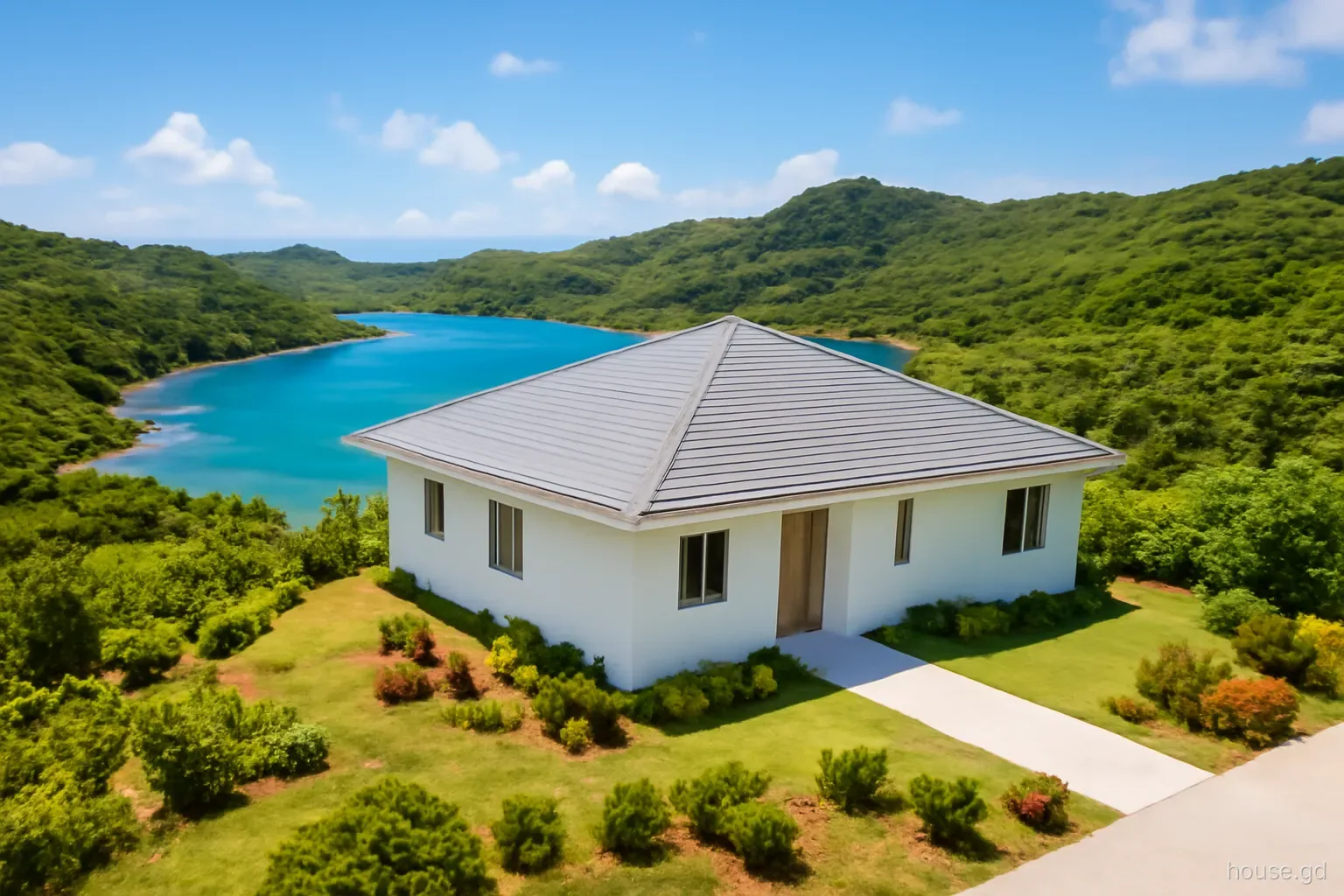
Houses whose roofs survived were usually not built from radically different materials. They had better connections: metal straps tying the roof structure down, closer fixing of sheets, hip rather than gable shapes, and modest overhangs. The difference in cost at construction was small compared with the cost of losing a roof and everything beneath it.
After Beryl, the same pattern was evident on Carriacou and Petite Martinique. Even in a storm of that strength, well-connected roofs and robust concrete structures fared considerably better than lightly built ones. The lesson for every owner is the same: the roof's connection to the house is the most important structural detail in hurricane country.
Lesson two: protecting openings protects the whole house
Wind inside is the enemy. Where windows and doors failed, wind entered houses and blew roofs off from the inside, damaging walls and ceilings and soaking interiors. Houses with shutters or strong doors held together better.
Big openings are the weakest. Large sliding doors, veranda openings and garage doors were frequent points of entry for wind. They need protection at least as strong as the windows.
Water follows wind. Even where structures survived, driving rain through broken openings and damaged roofs ruined furniture, electrics and finishes, and mould followed in the weeks after.
Preparation matters. Shutters that existed but were not closed in time, or that could not be installed because fixings were missing, offered no protection. The practical lesson is to test systems before the season.
Lesson three: rebuilding fast is not the same as rebuilding well
After Ivan, demand for roofing materials and skilled labour far outstripped supply. Many families, understandably desperate to get a roof back over their heads, re-roofed with whatever materials and labour were available. International agencies, churches and the government ran rebuilding and repair programmes, and some of them promoted better practices, but much informal reconstruction simply restored what had existed before, weaknesses included.
The years after the storm brought more attention to building standards, training for builders in hurricane-resistant techniques, and more concrete construction, including concrete roofs. Yet many houses still carry the hurried repairs of 2004 and 2005. When buying an older house, ask how it was repaired after Ivan, and look in the roof space.
After Beryl, the discussion about building back better returned with new urgency for Carriacou and Petite Martinique. Shortages of materials and labour on small islands, the cost of shipping and the need to restore homes quickly all create the same pressures that followed Ivan. The lesson is to insist, even under pressure, on proper connections in any repair.
Lesson four: the site and the surroundings matter
Storm damage was not only about the house itself. Assessments and the experience of residents point to several site factors:
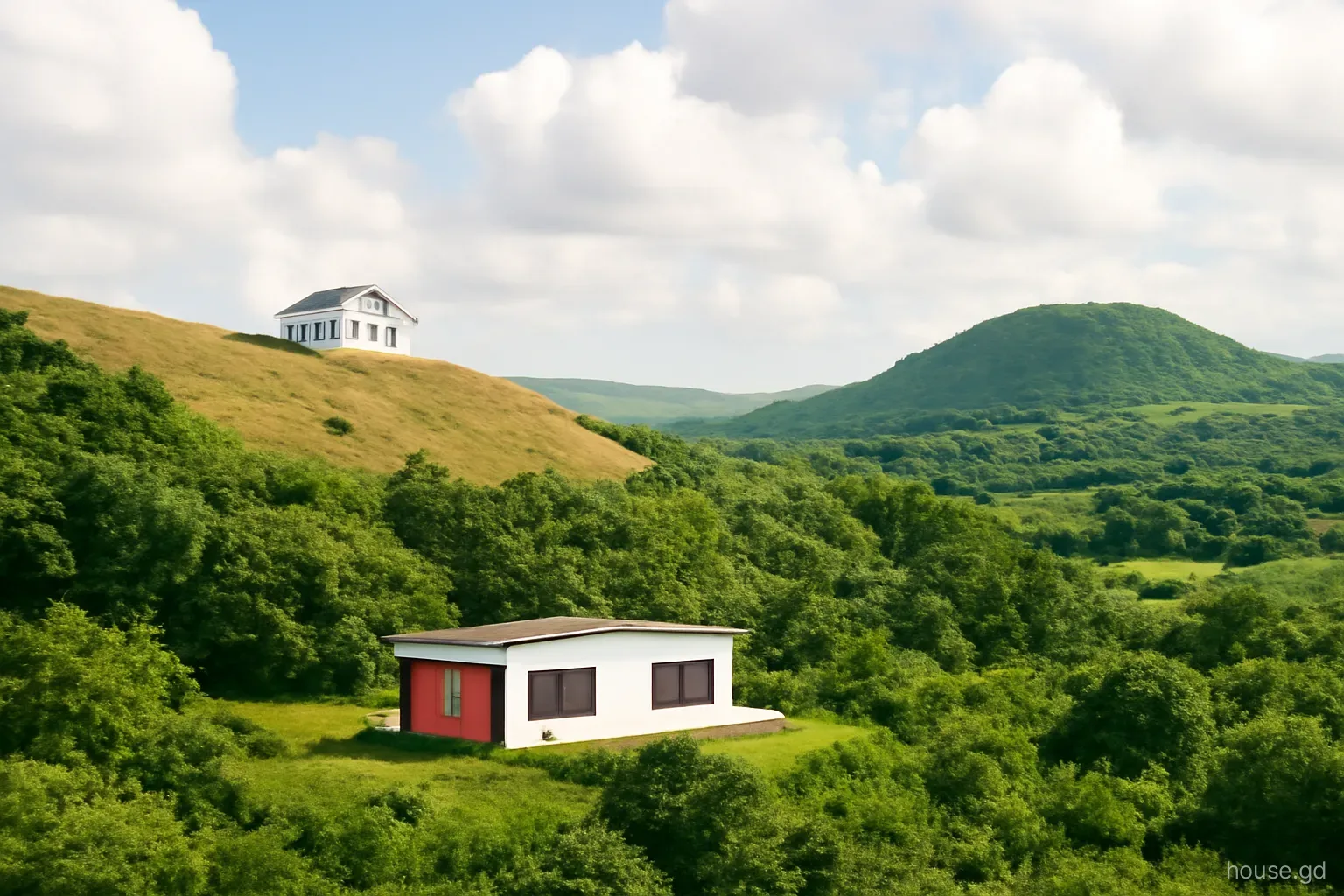
- exposed hilltops and ridges took the strongest winds, while sheltered sites fared better in many cases;
- coastal properties faced storm surge and wave action as well as wind, particularly on low-lying shores;
- flying debris from neighbouring damaged buildings, including sheets of galvanise, broke windows and injured people;
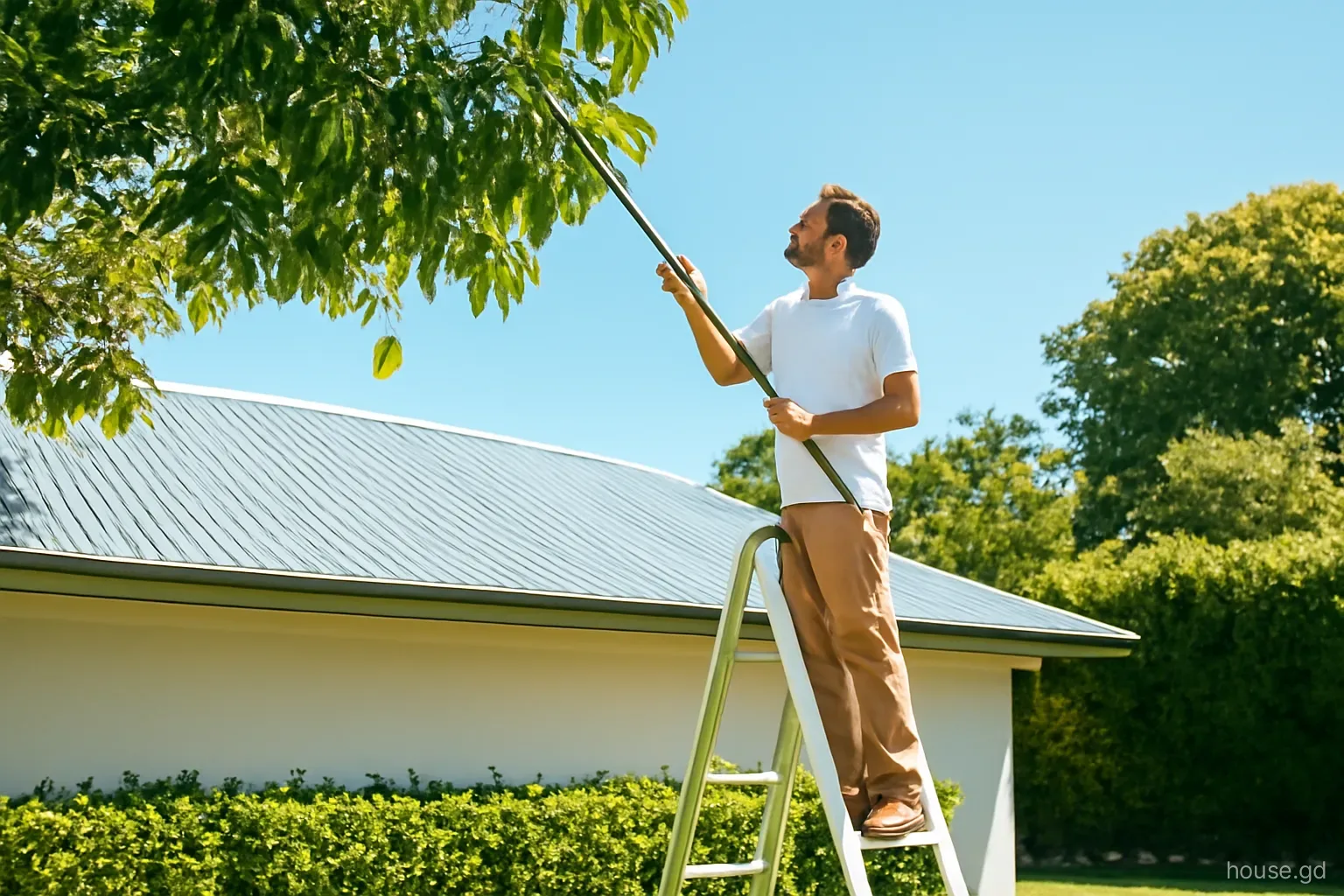
- falling trees damaged roofs and blocked roads, delaying help and repairs;
- heavy rain caused flooding and landslips, especially where drainage was blocked or slopes had been cut;
- water supplies were disrupted for long periods, making household cisterns invaluable;
- electricity networks took a long time to restore, so homes designed for natural ventilation stayed more habitable.
Lesson five: insurance and money shape recovery
Many homeowners discovered after Ivan that they were uninsured or underinsured. Policies with sums insured far below rebuilding cost were subject to average, reducing payouts in proportion. Hurricane deductibles calculated as a percentage of the sum insured meant that owners paid a substantial share of repairs themselves. Owners with mortgages were usually insured because lenders required it; many owners of houses built over years with family savings were not.
Recovery was slowest for families without insurance or savings, who depended on relief programmes and remittances from relatives abroad. The same picture was reported after Beryl in the sister islands.
The practical lesson is to insure for the full cost of rebuilding, not the market value or the price paid, to understand the hurricane deductible before the season, and to keep an emergency fund for the deductible and for the period before claims are settled. Photographs and records of the house and its contents make claims far easier.
Why the sister islands faced extra hurdles
Carriacou and Petite Martinique showed after Beryl how much harder recovery is on small islands. Most building materials have to be shipped across from the main island or beyond, so roofing sheets, timber, cement and fixings arrive in batches and compete for space on vessels already carrying relief supplies. Skilled builders are fewer, and many have their own homes to repair first.
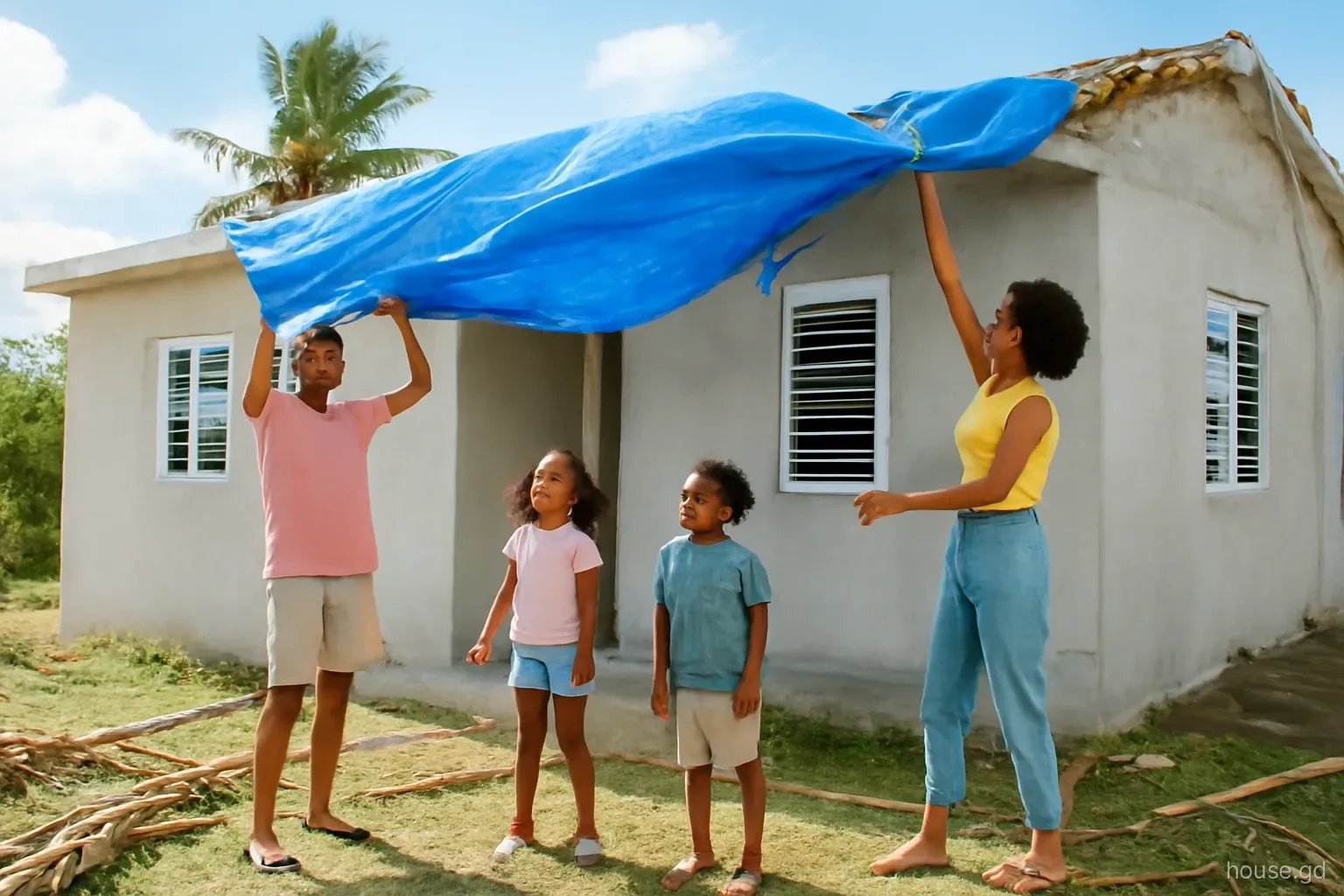
Those pressures push owners toward quick, temporary repairs: tarpaulins, reused sheets and whatever fixings can be found. Temporary measures are essential in the first weeks, but they become a risk if they turn into the permanent roof for the next season. Relief and reconstruction programmes on the sister islands have aimed to rebuild more strongly, and owners repairing there should ask what technical guidance is available locally.
For anyone planning to build or buy on Carriacou or Petite Martinique, the lesson is to allow more time and budget for materials and labour than on the main island, to order critical items early, and to put extra weight on robust structure, since outside help may take longer to arrive after a storm.
What owners should do with these lessons
Check the roof connections. If you do nothing else, find out whether your roof is strapped down properly and fix it if not.
Protect every opening. Choose a shutter system you will actually use and test it every year before June.
Build to engineered standards. For new houses and major repairs, use a structural engineer and insist the builder follows the drawings.
Think about the site. Exposure, slope, drainage and trees all affect risk; manage what you can.
Insure realistically. Rebuild value, deductible and contents cover should be reviewed each year.
Keep records. Photographs of the house, receipts for upgrades and copies of approvals help with claims, repairs and resale. Store copies off the island or in secure online storage.
Plan for the days after. A full cistern, a tarpaulin and fixings, basic tools and a household plan shorten the time between the storm passing and the house being weathertight again.
Frequently asked questions
How much of Grenada was damaged by Hurricane Ivan?
Ivan, on 7 September 2004, damaged or destroyed the large majority of homes on the island, with figures of around 90 per cent widely cited. It also caused severe damage to public buildings, infrastructure, forests and the nutmeg industry, and it remains the defining storm for Grenada's modern building practices.
How badly did Hurricane Beryl affect Carriacou and Petite Martinique?
Beryl struck on 1 July 2024 as a powerful Category 4 hurricane, and the great majority of buildings on both islands were damaged, many severely. Reconstruction has been ongoing since. Anyone with property or plans there should check the current situation locally.
Did concrete houses survive better than wooden ones?
Generally, well-built reinforced concrete houses performed better, especially those with concrete or properly strapped roofs. But poorly built concrete houses also failed, and well-connected timber houses sometimes survived. Connections and workmanship mattered more than the material alone.
Is Grenada now considered at higher hurricane risk?
Grenada has always been exposed, although major hits were less frequent than in islands to the north. Ivan and Beryl showed the risk is real. Many climate scientists expect the strongest storms to become more intense in a warming climate, so building for severe hurricanes is prudent.
What happened to building standards after Ivan?
The storm prompted greater attention to engineered construction, builder training in hurricane-resistant techniques and a shift toward concrete construction. Enforcement and practice vary, so owners should still use qualified professionals and insist on proper connections rather than relying on standards alone.
Are houses repaired after Ivan safe now?
Some were repaired to a high standard; others had roof coverings replaced without fixing weak connections. When buying or owning an older house, have the roof structure, straps and anchorage checked by an engineer or experienced builder, and upgrade where necessary.