
Lance aux Epines is the finger of land in St George's parish that runs south between Prickly Bay and Mount Hartman Bay. For decades it has been the address of choice for diplomats, retired foreigners, doctors at St George's University and Grenadian professionals who want space and a sea breeze within a short drive of the airport. Its reputation is settled; what a reputation does not tell you is how the place works on an ordinary Tuesday.
This profile looks at Lance aux Epines as somewhere to live rather than somewhere to buy into: the layout of the roads, the types of houses and who lives in them, getting groceries and medical care, water and power, noise, security and the rhythm of the sailing season. It closes with the questions worth asking before you sign a lease or an offer here.
The shape of the place
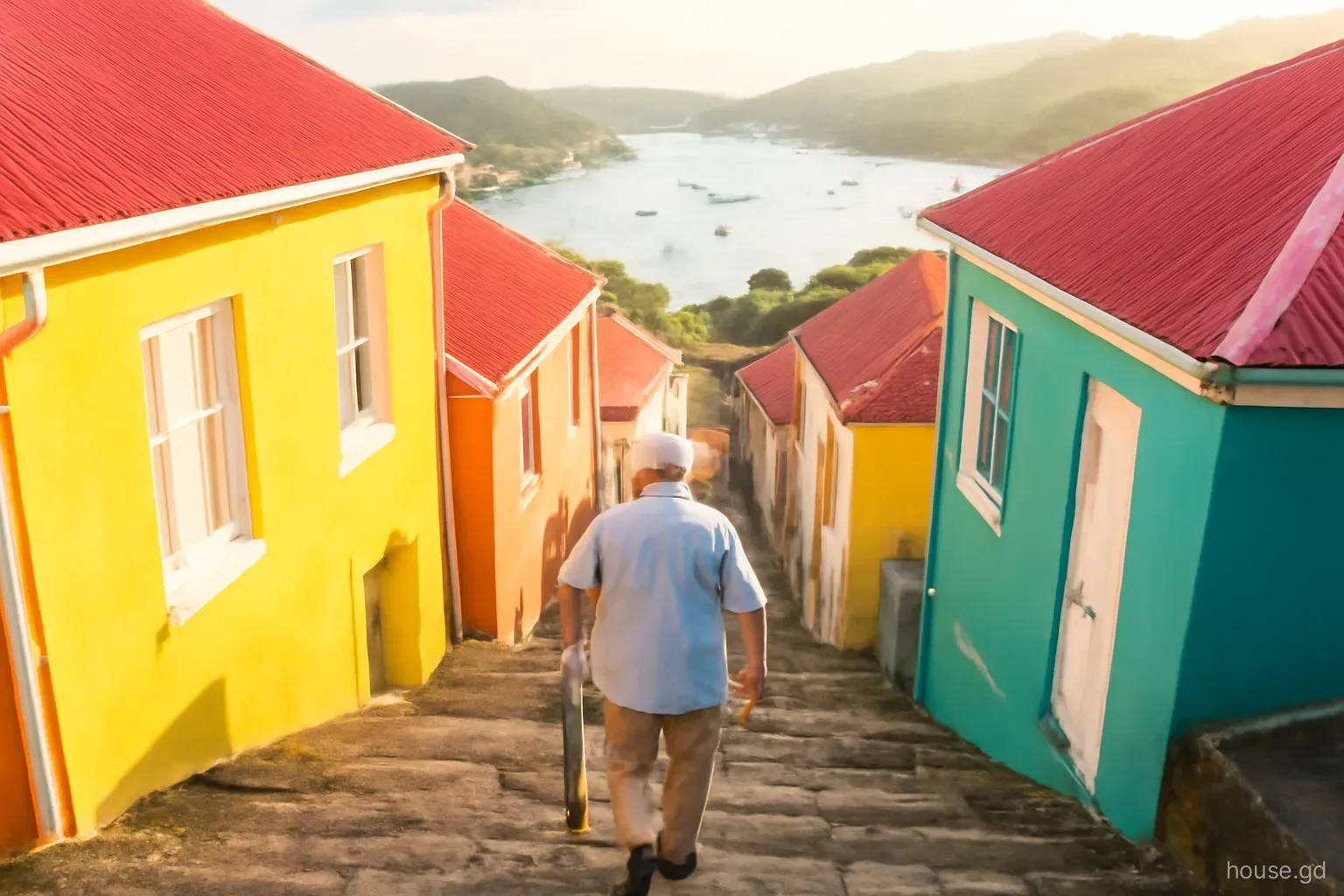
The peninsula is reached from the main south-coast road near the junction for the airport and True Blue. One principal road runs down the spine towards the point, with side lanes branching off to the east and west shores. Because there is essentially one way in and out, the area feels private without being gated: there is little through-traffic, and the people on the lanes after dark are mostly residents, staff and guests.
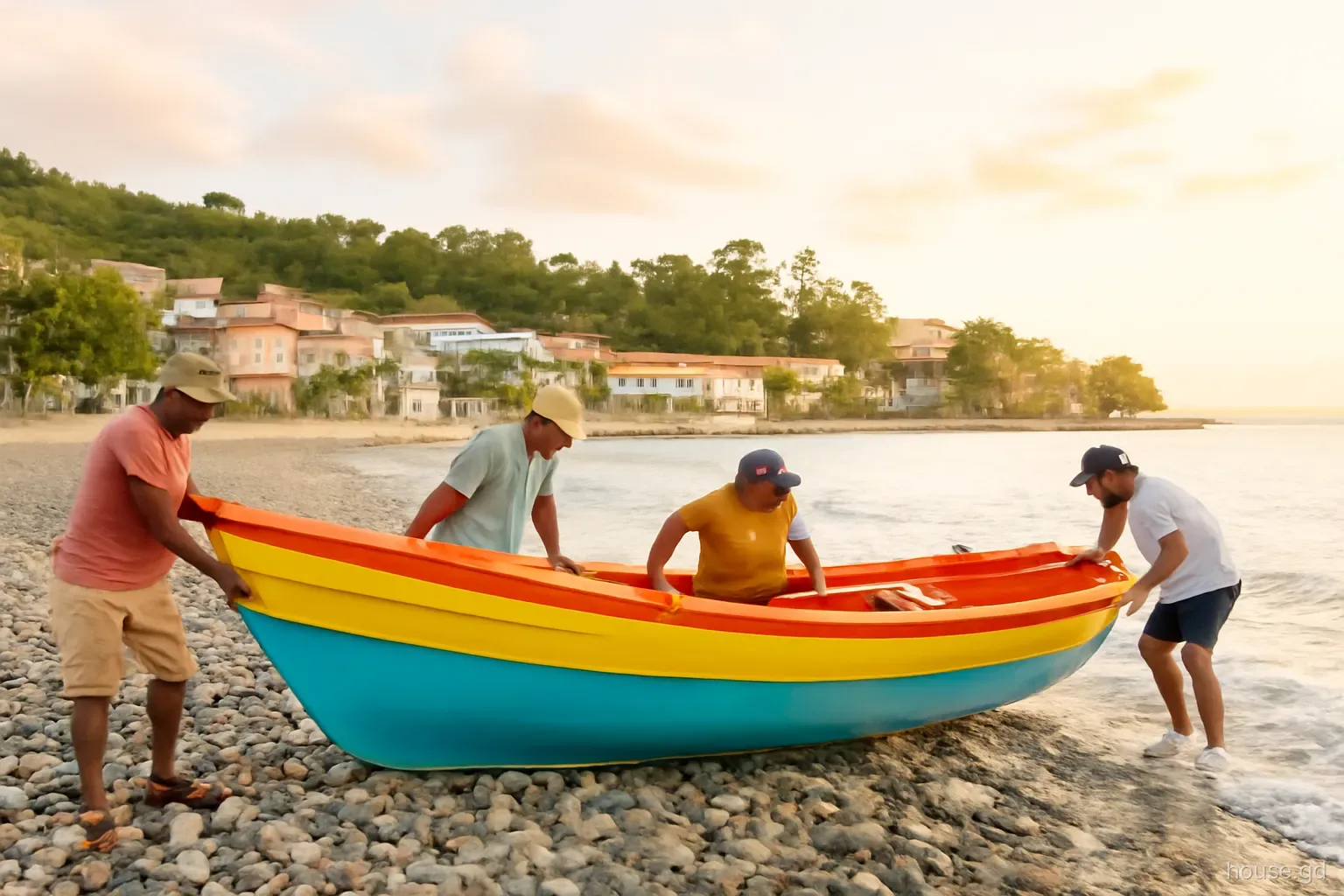
The western side faces Prickly Bay, with its marina, boatyard and anchorage full of cruising yachts. The eastern side looks over Mount Hartman Bay towards Hog Island and the ridges of the south-east. Towards the tip, lots get larger and houses get grander; closer to the main road the plots are smaller and you find more apartments, guest houses and older family homes.
There is a small sandy beach on the Prickly Bay side, popular with residents in the early morning and at weekends, but Lance aux Epines is not a beach neighbourhood in the way Grand Anse is. People choose it for gardens, views and quiet, and drive to the bigger beaches.
Who lives here and what the houses are like
Established villas. Many homes date from the 1960s to the 1990s: single-storey or split-level concrete houses on generous plots, with verandas, mature mango and breadfruit trees and walls of bougainvillea. Some have been modernised; others still have original wiring, louvred windows and roofs that deserve a close look.
Newer builds. A smaller number of recent villas, often built to rent to holidaymakers, have pools, open-plan living and hurricane straps and shutters designed in from the start.
Apartments and cottages. Near the top of the peninsula there are apartment blocks and converted cottages that let to medical students, visiting lecturers and yacht crews. These are the most affordable way to live in the area.
The neighbours. Expect a mix: Grenadian families who have owned land here for generations, foreign retirees, embassy staff, university faculty and liveaboard sailors who come ashore for supplies. Long-time residents tend to know each other, and a resident WhatsApp group is often the fastest source of news about water cuts or a loose dog.
Shops, schools, doctors and getting around
Daily errands mean a short drive. The supermarkets, pharmacies, banks and hardware stores around Grand Anse and along the road towards Spiceland Mall are typically ten to fifteen minutes away depending on traffic, and the airport is closer still. There are a few shops and bars around the marina, useful for basics, but not for a weekly shop.
Private doctors and clinics cluster in the Grand Anse and St George's area, and the Grenada General Hospital is in St George's. Families with children usually look at the private and international schools on the south side of the island, all within a reasonable school run, though morning traffic on the main road can make that run slower than the distance suggests.
Minibuses run along the main south-coast road, so someone living near the top of the peninsula can manage without a car. Further down towards the point, distances are walkable on paper but the road has no pavement for long stretches and is dark at night. Most residents drive, and many households also keep a bicycle or golf-cart style buggy for local trips. Taxis can be called from the marina area and the airport, which helps visiting family, but relying on them for daily life gets expensive quickly.
Water, power, noise and security: the practical picture
The infrastructure in Lance aux Epines is generally better than in rural areas, but it is still Grenada. These are the points residents mention most often:
- Water: mains water from NAWASA reaches the area, but supply can be interrupted, especially in the dry season. Most houses have a cistern or storage tanks and a pump; a home without storage is a home that will run dry at some point.
- Electricity: GRENLEC supply is usually reliable, with occasional outages after storms or for maintenance. Larger villas often have a generator or solar panels; ask how the house copes during an outage.
- Internet: fibre and fixed broadband are available on most lanes. Confirm the provider at the specific address before relying on it for remote work.
- Noise: generally quiet, but bars around the marina can carry music across the water at weekends, dogs bark at night, and roosters exist even in the smart end of town.
- Security: burglaries happen here as they do in any area where visitors own valuables. Burglar bars, outside lighting, a dog or a monitored alarm are normal precautions, and many owners employ a caretaker while they are away.
The sailing season and the rhythm of the year
Lance aux Epines changes with the yachting calendar. Grenada sits at the southern edge of the hurricane belt, and many insurers have historically treated it as a place where boats can sit out the season, so Prickly Bay fills up with cruising yachts from around June and the boatyard is busy with boats on the hard. In those months, the marina area is livelier, with more people in the bars and chandlery and more dinghies on the beach.
From December to April, the dry season brings holiday visitors renting villas and a different crowd of short-stay neighbours. Rental prices for furnished houses are firmer in the winter months, and landlords who let short-term may prefer not to commit to a long lease covering the high season.
St George's University terms also matter. Faculty and students look for rentals ahead of the January and August intakes, which tightens supply of apartments near the top of the peninsula at those times. If you are flexible on dates, searching between those peaks gives more choice.
What to check before renting or buying here
Exposure to the sea. Waterfront homes on the southern tip face open water and take the brunt of swells when tropical systems pass to the north. Ask what happened to the house during Hurricane Ivan in 2004 and during later storms, and look at the sea wall or rock armour.
Drainage. Lower lanes collect runoff in heavy rain. Visit after a downpour if you can, and look for water marks on walls and garden steps.
Age of the building. Older villas can hide tired roofs, termite damage in timber and electrical work from another era. A survey by an engineer or experienced builder is money well spent.
Rental history. If you plan to let a property, find out whether it has a track record and whether any estate rules or neighbour agreements limit short-term rentals.
Insurance before commitment. Get a buildings insurance quote with windstorm cover before you commit to buying. Older timber-roofed houses and homes close to the shoreline can be costly to insure, and that annual figure belongs in the decision.
Who maintains the lane. Some side lanes are private roads maintained by residents. Ask who pays for repairs and street lighting, because it may soon be you.
Frequently asked questions
Is Lance aux Epines a gated community?
No. It is an open residential area with public roads, although some individual houses and small developments have their own gates. The single main access road gives it a quieter, more private feel than most neighbourhoods on the island.
How far is Lance aux Epines from the airport?
Maurice Bishop International Airport is a short drive away, usually around ten minutes outside peak traffic. That proximity is one reason the area is popular with people who travel often or host visiting family.
Can you live in Lance aux Epines without a car?
It is possible near the top of the peninsula, where minibuses pass on the main road and some shops are within reach. Further towards the point it becomes impractical, because the road lacks pavements and lighting and the main services are a drive away.
Is Lance aux Epines good for families?
Many families live here, attracted by large gardens, quiet lanes and the short run to private schools on the south side. Check pool safety, road traffic near the house and the distance to the school you have in mind, because morning traffic can be slow.
Are rents higher in Lance aux Epines than elsewhere?
Generally yes for houses, because plots are large and demand from expatriates and diplomats is steady. Apartments near the main road are closer to typical south-coast rents. Rents vary widely, so compare several listings and confirm what utilities are included.