Carriacou is small, about thirteen square miles, but the difference between living in Hillsborough and living on the hills above Windward is the difference between a town and a hamlet. Most of the island's homes, foreign-owned and Grenadian alike, cluster in a handful of areas along the leeward coast, with scattered villages on the windward side and in the hills.
Hurricane Beryl struck Carriacou and Petite Martinique in July 2024 and damaged or destroyed a large share of the housing stock, along with roofs, power lines, trees and public buildings. Rebuilding has continued since. Any description of a neighbourhood here needs that caveat: what stood before the storm may not stand now, and services can differ from what older guides describe. Check the current state of any area and property before you go.
How the island fits together
Hillsborough, the main town, faces west onto Hillsborough Bay. It is where the ferry from Grenada arrives, where the government offices, banks, supermarkets and the main shops are, and where most errands get done. The airport at Lauriston lies a short drive south. From town, one road runs south along the coast to L'Esterre, Harvey Vale and Tyrrel Bay; another climbs north and east towards Bogles, Windward and the hills.
Distances are small: almost everywhere is within twenty or thirty minutes' drive of Hillsborough. Minibuses link the main villages, but services thin out in the evening and on Sundays, so most residents end up with a car, a pick-up or at least access to a reliable taxi driver.
The island is drier than mainland Grenada. Rainfall is lower and less dependable, there are no rivers to speak of, and water supply has historically relied on rooftop catchment and cisterns. That one fact shapes housing more than any other.
Petite Martinique, a short boat ride from Windward, is part of the same picture but even smaller, with very few homes ever offered to outsiders. Most people considering a move to the sister islands start on Carriacou and get to know Petite Martinique from there.
The leeward south: L'Esterre, Paradise Beach, Harvey Vale and Tyrrel Bay
L'Esterre and Paradise Beach. A village behind one of the island's best-known beaches, with views across to Sandy Island. Many foreign-owned homes and small guest houses sit on the slopes behind the shore, and the area is close to both Hillsborough and Tyrrel Bay.
Harvey Vale. The village around Tyrrel Bay, with local homes, shops and bars. It has a settled community feel and is convenient for both town and the bay.
Tyrrel Bay. A large, sheltered bay with a boatyard, an anchorage full of visiting yachts and a string of waterfront bars and small restaurants. It suits people who sail or like a lively waterfront; it is also exposed to the comings and goings of the yachting season.
What they share. Sunset views, calm water for swimming, the most foreign-oriented services on the island, and relatively easy access to town. They also have the most competition for rentals during the dry season.
Hillsborough and the hills above it
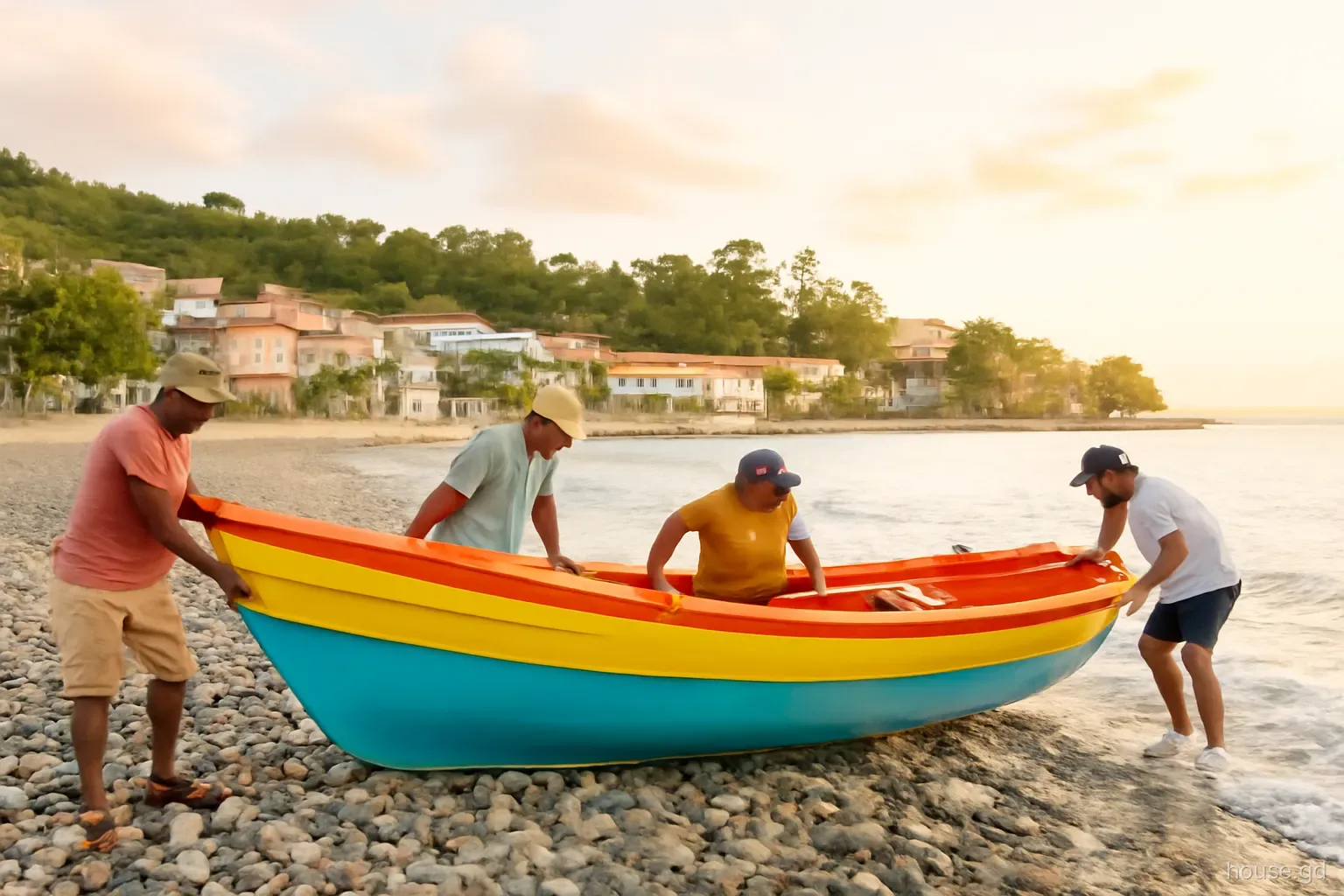
Living in or just above Hillsborough means being able to walk to the jetty, the bank, the post office and the shops. The town has a working Caribbean character: fishing boats, cargo sloops unloading at the pier, schoolchildren in uniforms, rum shops and church bells. It is not quiet, but it is convenient, especially for anyone who will travel to Grenada often by ferry.
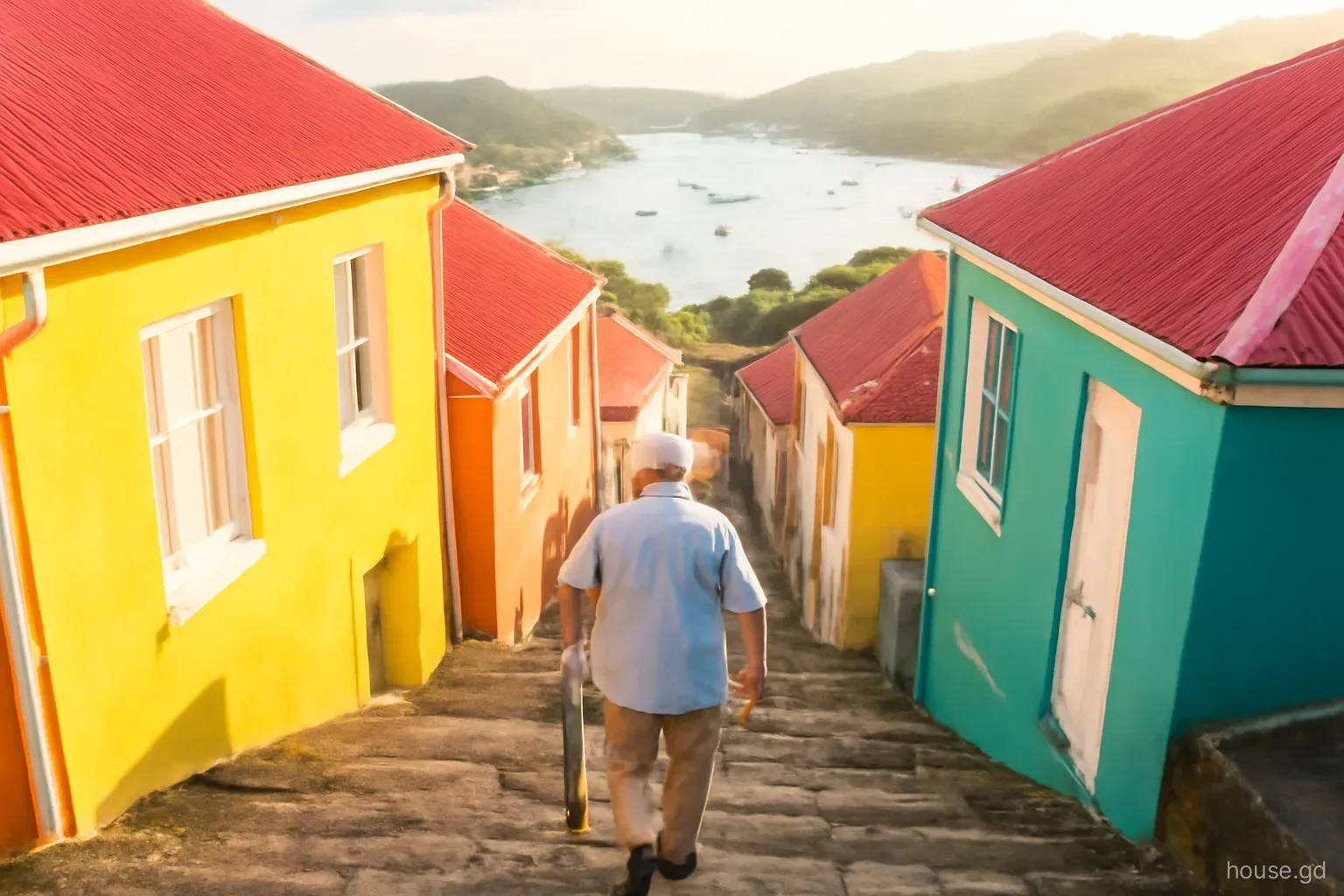
Belair, on the hill east of town, offers cooler air and views over the bay. It was historically an important site on the island, and Princess Royal Hospital, the island's hospital, is in the area. Homes here range from older family houses to newer builds with large verandas facing west.
Further around the bay, Beausejour and the coast north of town have a mix of local housing and occasional foreign-owned homes. These areas are generally quieter than Hillsborough itself but still close to its services.
The windward side: Windward, Bogles and Dover
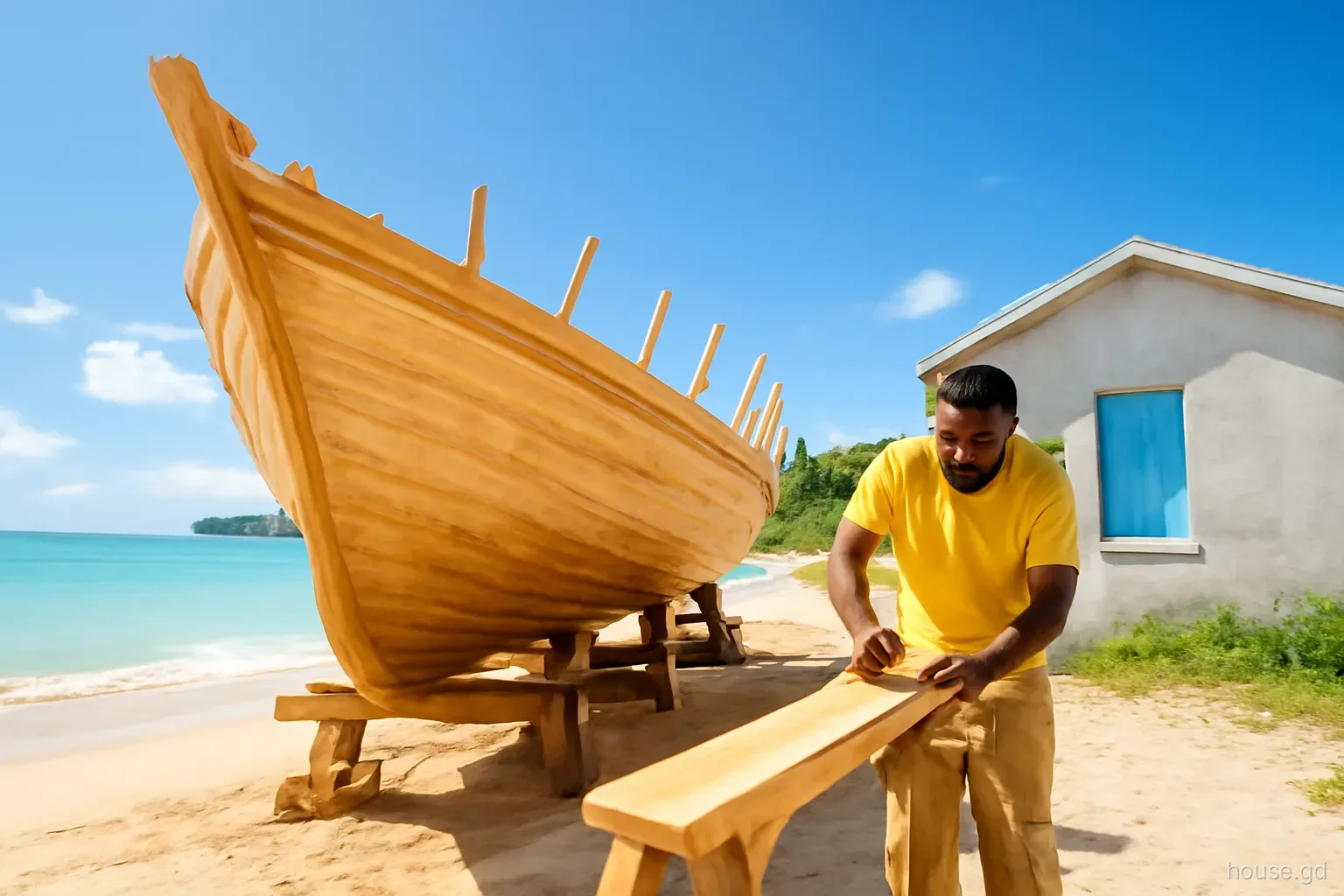
The north-east of Carriacou faces the Atlantic, with steadier wind and a rougher shoreline protected in places by reef. Windward is the island's boatbuilding village, where wooden sloops have traditionally been built on the beach by families of shipwrights. Petite Martinique lies just offshore. Bogles, in the north, sits above the trail to Anse La Roche.
Life here is more traditional and more isolated. Shops are small, transport to town is less frequent, and homes are mainly those of long-established Carriacouan families. Foreigners who settle here usually do so because they want that rhythm, and they integrate by being patient and respectful of local custom.
The breeze that keeps the windward side comfortable also brings salt spray and wind load. Houses need sound roofs, corrosion-resistant fittings and good shutters. After Beryl, which approached from the south-east, many homes on exposed slopes needed major repairs.
Community life and fitting in
Carriacou has a distinct culture, and living there means taking part in it or at least respecting it. The island is known for the Big Drum Nation dance, for maroon festivals tied to the agricultural year, for saraka feasts that honour ancestors, for boat launchings at Windward and for Carriacou Carnival with its Shakespeare Mas. These are community events rather than shows, and newcomers who turn up, contribute and listen are usually welcomed.
Village life runs on relationships. The person who sells fish, the mechanic, the man with the water truck and the woman who knows which shipment brings cement are all part of how a household functions. Being polite, greeting people properly and being patient when things take longer than expected matter more on a small island than anywhere else.
Many Carriacouan families have relatives abroad, and land often belongs to an extended family rather than one person. That history explains why some attractive plots never come to market, and why buying from a family requires everyone with an interest to agree. It also means that long-term residents carry a great deal of local knowledge worth seeking out before you settle.
Water, power and supplies on Carriacou
The practicalities of island living differ from the mainland in several ways:
- Water: most homes depend on roof catchment and a cistern. A larger cistern means more security in the dry season; running low may mean buying trucked water. Ask how the house managed through a dry spell.
- Electricity: GRENLEC supplies the island. Lines were heavily damaged by Beryl and restored progressively; solar panels and battery storage have become more common as people rebuild.
- Building materials: almost everything arrives by sea from Grenada or further away, which raises costs and lengthens timelines for any repair or construction.
- Groceries: supermarkets in Hillsborough stock the essentials, but choice is narrower than in Grand Anse and some items run out between shipments.
- Healthcare: Princess Royal Hospital provides basic hospital care, and serious cases are transferred to Grenada. Factor this in if you have ongoing medical needs.
- Connections: the fast ferry and small aircraft link the island to Grenada; schedules change and weather can cancel crossings, so allow slack around important appointments.
Renting or buying after Beryl: what to check
The current state of the building. Photos online may predate the hurricane. Ask for recent images, and have an engineer inspect the roof structure, walls and cistern before committing.
How repairs were done. Rebuilding under pressure sometimes means quick fixes. Ask who carried out repairs, whether roof fixings were upgraded and whether any work was approved where approval was required.
Insurance availability. Get quotes before buying. Premiums for Carriacou properties can be higher and some insurers are cautious after large claims.
Title and boundaries. Family land is common on Carriacou, and some boundaries were never formally surveyed. The legal process is the same as on Grenada, with searches done in St George's, so allow time.
Rental demand. Visitor numbers took time to recover after the storm. Do not assume pre-Beryl occupancy figures when estimating rental income.
Frequently asked questions
Which part of Carriacou is best for living?
It depends on priorities. Hillsborough offers convenience and ferry access, L'Esterre and Tyrrel Bay have beaches and a social waterfront, Belair has views and breeze, and the windward villages offer a quieter, more traditional life. Spend time in each before deciding.
Has Carriacou recovered from Hurricane Beryl?
Rebuilding has been under way since July 2024, but recovery is uneven and some homes and businesses took far longer than others to reopen. Check the current status of any property, service or business before you travel or commit.
Do houses on Carriacou have mains water?
Many depend mainly on rainwater collected from the roof and stored in a cistern, with trucked water as a backup. Desalinated supply has been part of the island's water system, but coverage varies, so ask about the specific house.
How do you get from Carriacou to Grenada?
By fast ferry from Hillsborough to St George's or by short flight from Lauriston Airport to Maurice Bishop International. Timetables and operators change, and rough weather affects crossings, so confirm before planning.
Can foreigners buy property on Carriacou?
Yes, on the same terms as on mainland Grenada, which usually means obtaining an Alien Landholding Licence. The conveyancing is handled by Grenadian attorneys and registered in St George's, so allow extra time for searches and documents.