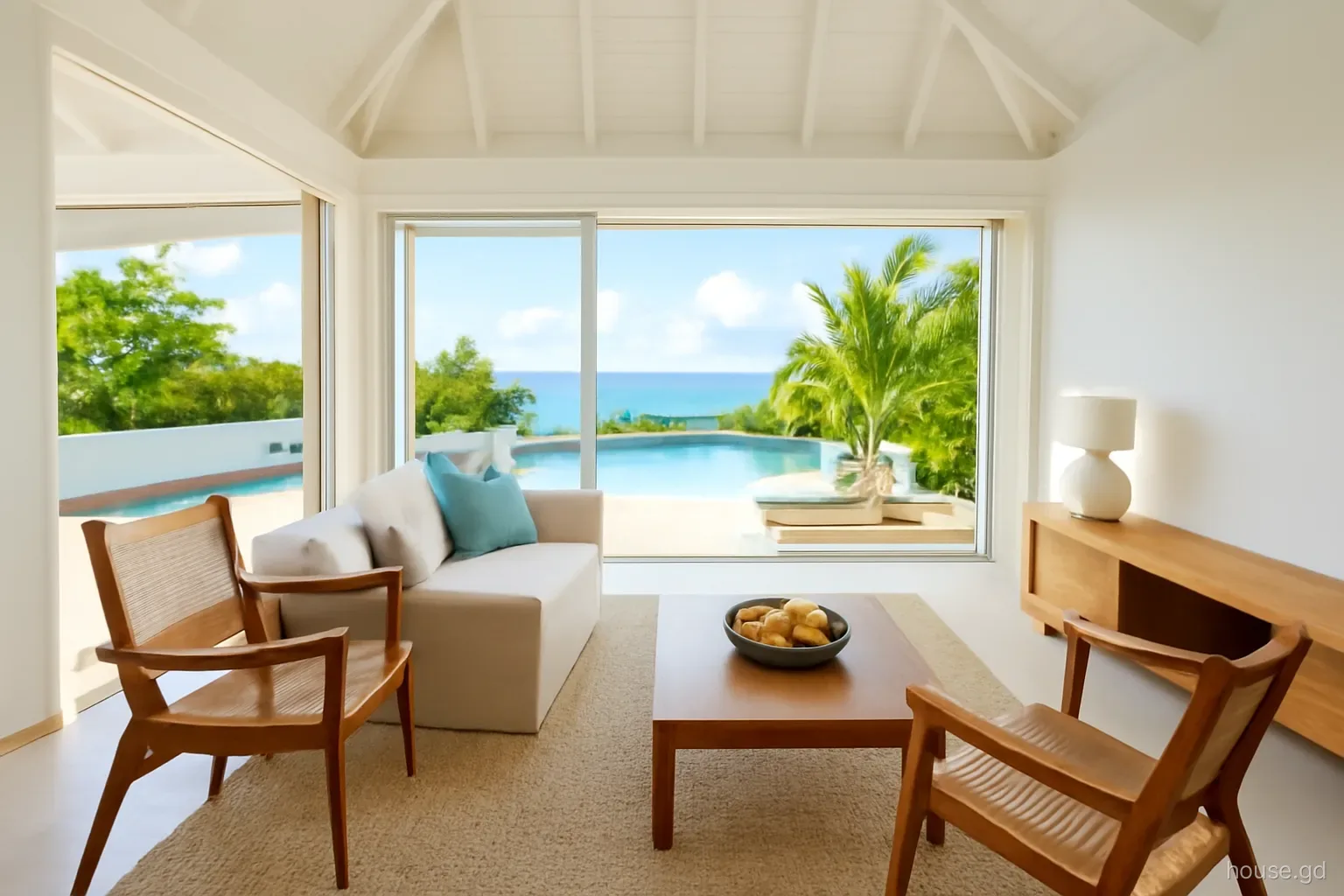

A property near Grand Anse or True Blue can earn its keep in very different ways. It can host holidaymakers for a week at a time, house medical students and visiting faculty for a semester, accommodate sailors laid up for hurricane season, or be let unfurnished to a local family on a year-long lease. The rent per night, the work involved, the wear on the property and the risks are completely different in each case.
Grenada has an unusual mix of demand for its size. Tourism peaks in the dry winter months; St George's University brings thousands of students, faculty and visiting family to the south-west of the island; the yachting community swells during hurricane season, when many boats shelter in the island's southern bays; and there is steady local and expatriate demand for long-term homes. Matching the property to the right market is often worth more than any amount of marketing.
The four markets compared
Holidaymakers (short-let). Stays of a few nights to two weeks, highest nightly rates, strongest demand from roughly mid-December to April and around events such as Spicemas in August. Highest workload: frequent cleaning, guest communication, marketing, more wear. Income is seasonal and less predictable.
Students and faculty (mid-term). St George's University at True Blue is a major driver of demand for furnished units within reach of campus. Stays tend to follow semesters, several months at a time. Rents are lower per night than holiday lets but occupancy can be far steadier, with fewer changeovers.
Sailors and visiting professionals (mid-term). Grenada sits south of the main hurricane belt, and many yachts spend June to November in its southern bays and marinas. Owners and crews sometimes want a shore base, and contractors, consultants and medical staff on assignment also look for furnished monthly rentals.
Residents (long-let). Year-long or longer leases to Grenadian families, returning nationals and expatriates. Lowest rent per month, least management, often unfurnished. The key risks are tenant selection, arrears and wear over a long period.
Location decides more than you think
Each market clusters in different places. Holidaymakers want beaches, views and restaurants: Grand Anse, Morne Rouge, Lance aux Epines, the Westerhall and La Sagesse coast, and for a quieter crowd, Carriacou. Students and university staff want to be near True Blue and along the bus routes and roads leading to campus, which keeps demand for apartments in True Blue, Grand Anse, Lance aux Epines and nearby areas consistent.
Yachting demand centres on the south coast, near the bays and marinas between Prickly Bay and the coastline to the east. Long-term residents spread across the island, but many expatriates and returning nationals favour the south-west for its services, while Grenadian families often prefer areas closer to work and family in St George's, St David, St Andrew and beyond.
Carriacou is its own case. Holiday demand there is smaller and more specialised, centred on divers, sailors and visitors looking for a slower pace, with peaks around the Carriacou Regatta and other festivals; long-term rental demand comes mostly from residents and returning family. After Hurricane Beryl in 2024, both supply and demand on the island shifted, so check current conditions and what comparable properties are achieving before planning on any particular strategy there.
A villa with a pool, sea view and four bedrooms in Westerhall is clearly a holiday property; trying to let it to students would waste its strengths. A two-bedroom apartment a short drive from True Blue may do better on semester leases than competing with resort-style villas for holiday bookings. Before deciding, look at what similar properties nearby are actually doing and which market keeps them full.
What each strategy demands from the owner
The workload and setup differ as much as the income. Be honest about what you can sustain.
- Short-let: fully furnished and equipped to holiday standard, professional photographs, active listings, fast replies, cleaning after every stay, tourism registration and VAT where applicable, commercial insurance, and a manager or reliable local team.
- Student and faculty lets: furnished for living and studying, good internet, a quiet desk space, reliable air-conditioning, washing machine, sensible proximity to campus and transport, written leases aligned with semesters, and a clear deposit policy.
- Monthly lets for sailors and professionals: furnished, flexible start dates, secure parking or dinghy access where relevant, monthly invoicing and good communication, often found through word of mouth and local networks as much as platforms.
- Long-lets: a well-maintained basic property, careful tenant screening, a written lease reviewed by an attorney, a deposit, and a process for rent collection and repairs.
Blending strategies across the year
Many successful owners in Grenada do not choose one market but combine them. A common pattern is to rent to holidaymakers in the peak season, when nightly rates are highest, and switch to monthly lets in the quieter, wetter months, when visitors are fewer but sailors and visiting professionals are around. Another is to let to students during semesters and offer the unit to holidaymakers or visiting families in the breaks.
Blending works when the calendar is planned in advance. Semester dates at St George's University are published well ahead, so owners can block those months and sell the gaps. It also requires the property to be set up for both uses: holiday-standard linens and kitchen equipment, but also a proper desk, good Wi-Fi and practical storage for longer stays.
The danger is falling between two stools: a calendar left with awkward gaps too short for monthly tenants and too long to fill with holiday bookings. Minimum-stay rules on booking platforms and clear availability windows help avoid that.
Comparing the strategies on paper
Before choosing, build a simple twelve-month projection for each strategy that fits your property. The structure below works for any of them; fill it with figures from comparable properties and local advice, not from optimistic listings.
- Estimate gross rent: nightly rate times realistic nights for short-lets; monthly rent times expected months let for mid-term and long-term tenants.
- Subtract channel costs: platform commission and card fees for short-lets, agent or finder fees for longer lets.
- Subtract management: a percentage for full-service holiday management, a smaller fee or none for a long-let you handle yourself.
- Subtract operating costs: cleaning per changeover, utilities if included in the rent, internet, pool and garden, insurance appropriate to the use, property tax and accounting.
- Subtract a wear and replacement reserve, which is higher for short-lets with frequent changeovers than for a careful long-term tenant.
- Add the effect of vacancies: realistic empty nights for short-lets, gaps between semesters for student lets, and a month or two between long-term tenants.
- Compare the net figures side by side, then weigh them against the time each strategy takes and how predictable its income is. A slightly lower but steady net income from semester or long-term leases is often worth more to an owner abroad than a higher but volatile holiday income.
Risks and mistakes by strategy
Every strategy has its own common failures. Knowing them in advance makes them easier to manage.
- Short-lets priced on peak-season rates all year, leaving the calendar empty from June to November.
- Student lets without written leases, clear deposit terms or an inventory, leading to disputes at the end of the semester.
- Ignoring noise and parking rules in apartment complexes and strata developments, many of which restrict short-term letting or set conditions.
- Long-lets agreed informally with no lease, making arrears and repairs hard to resolve.
- Underestimating utility costs in mid-term lets where electricity is included in the rent; a separate meter or a fair usage allowance avoids that.
- Choosing a market that does not fit the property and then spending heavily on marketing to compensate.
Frequently asked questions
Do St George's University students rent apartments near campus?
Yes. The university brings a large number of students, faculty and visiting families to the south-west of Grenada, creating steady demand for furnished units near True Blue and along routes to campus. Leases often follow semester dates, so plan the calendar around the academic year.
Which earns more in Grenada: holiday lets or long-term rentals?
Holiday lets usually bring higher gross income but also much higher costs, effort and seasonality. Long-term rentals earn less per month with lower management costs. The net difference depends on location, occupancy and how efficiently the property is run.
Is there demand for monthly rentals during hurricane season?
Some. Many yachts spend the season in Grenada's southern bays, and visiting professionals and contractors need furnished homes year-round. Demand from holidaymakers softens in those months, so monthly lets can fill the quieter period.
Can a strata apartment be used as a holiday rental?
Not always. Many developments have rules on short-term letting, guest registration, noise and use of shared facilities. Read the strata or association rules and ask the managing body before buying a unit for holiday rental.
Should a rental be furnished or unfurnished?
Holiday lets and most mid-term lets to students, sailors and professionals must be furnished. Long-term tenants, particularly local families, often prefer unfurnished homes so they can bring their own belongings. The market you target decides.
Is a written lease necessary for a student rental?
It is strongly advisable. A written lease sets out the term, rent, deposit, utilities, house rules and condition at handover. Have a Grenadian attorney prepare or review your standard lease, and keep an inventory with photographs.