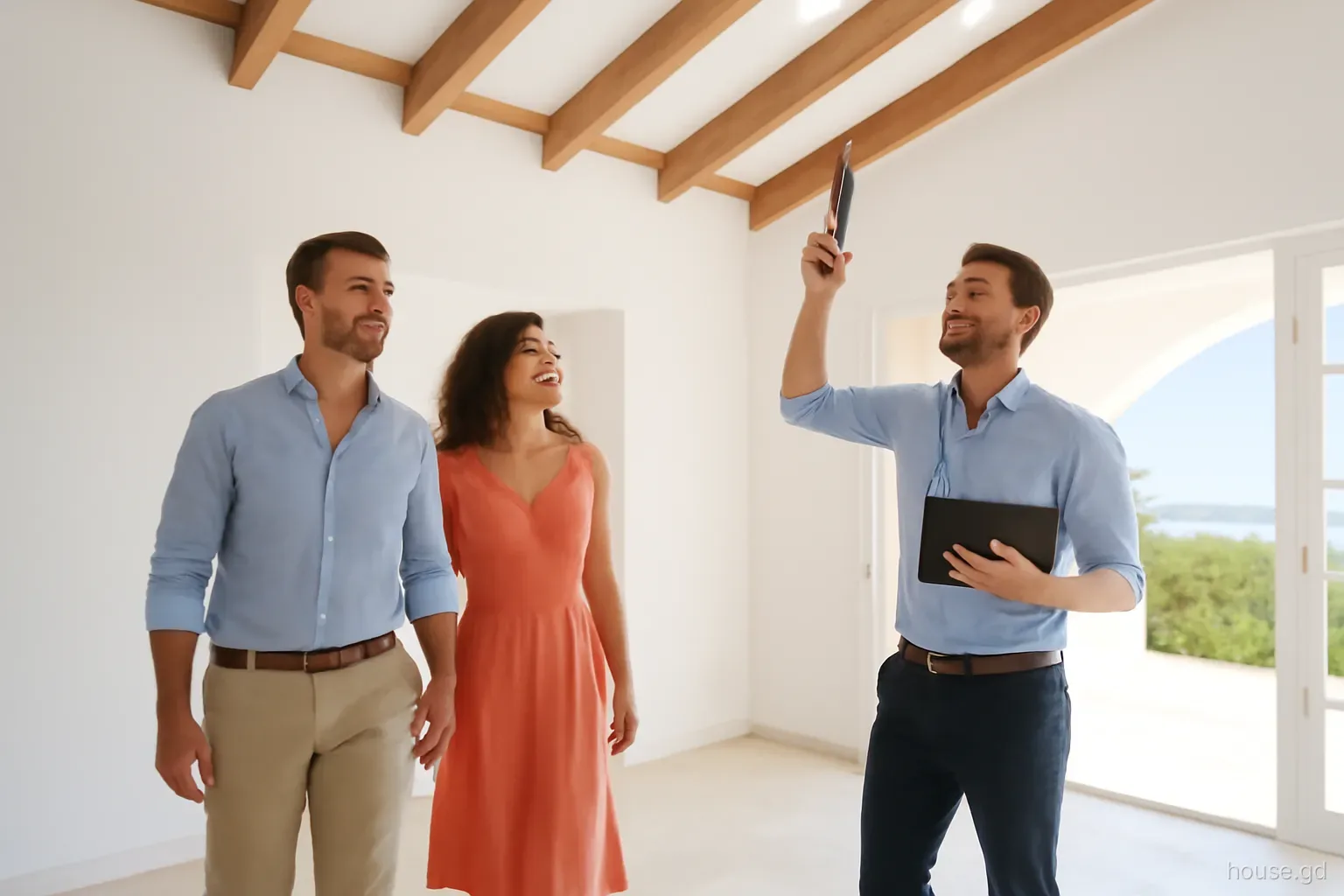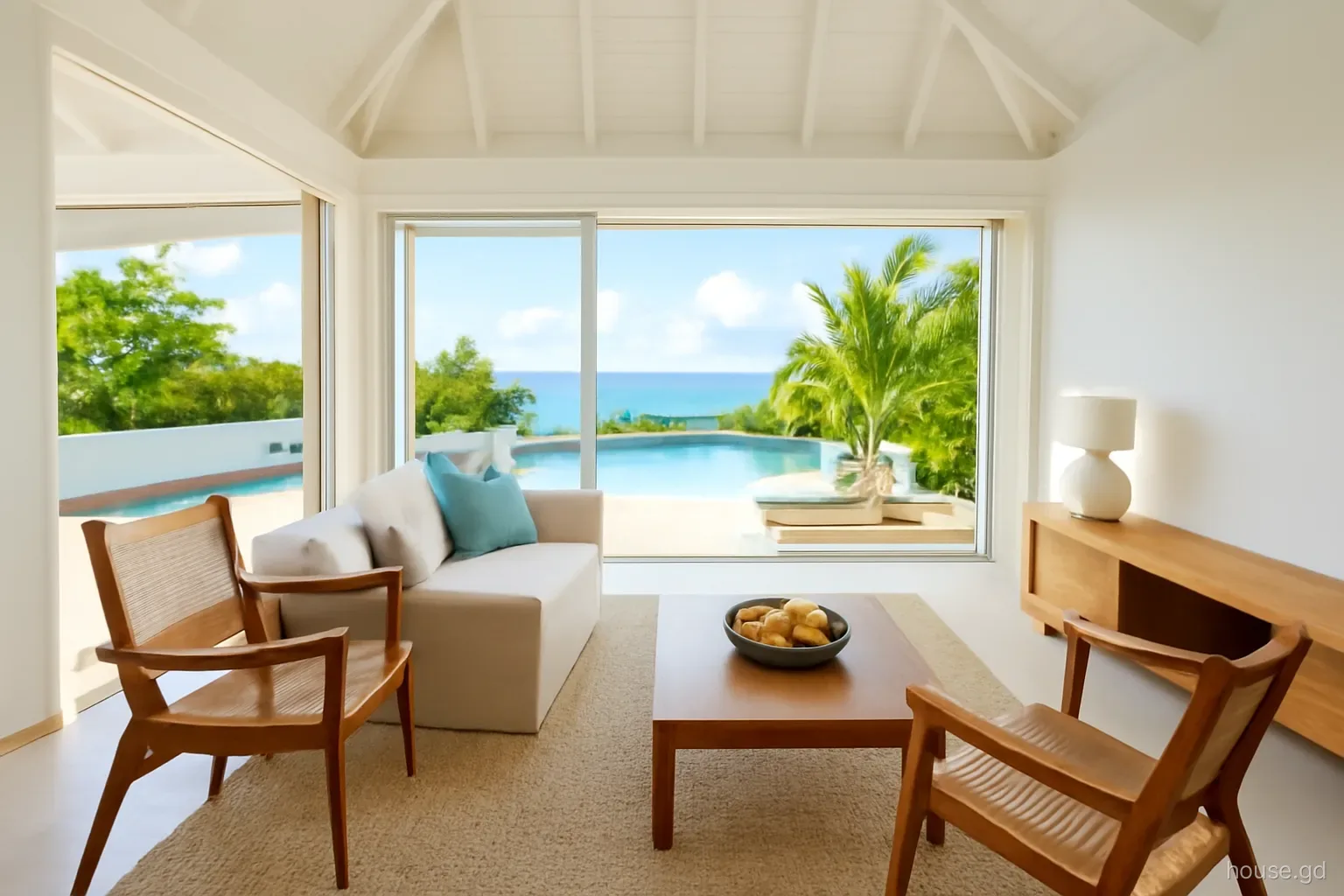
Owning a holiday rental villa in Grenada can be a real pleasure: weeks of your own in the sun each year, guests who leave glowing reviews, a house that pays a fair share of its own way and connections with the island that deepen over time. Owners who are happy with the arrangement tend to share one thing. They knew what they were taking on before they bought.
Sales particulars and projections cover the attractive parts. The practical realities, the slow arrival of spare parts, the cost of a house that is empty for weeks, the way a small community talks, the realities of storms and the sheer variety of things that can fail in a tropical climate, tend to be learned on the job. Here they are, set out plainly, so that you can plan for them rather than be surprised.
The house works harder than a home
Everything runs more. Guests use air-conditioners, pumps, washing machines and dishwashers more intensively than most residents, and changeovers mean frequent laundry. Equipment designed for a family home can wear out in half the expected time.
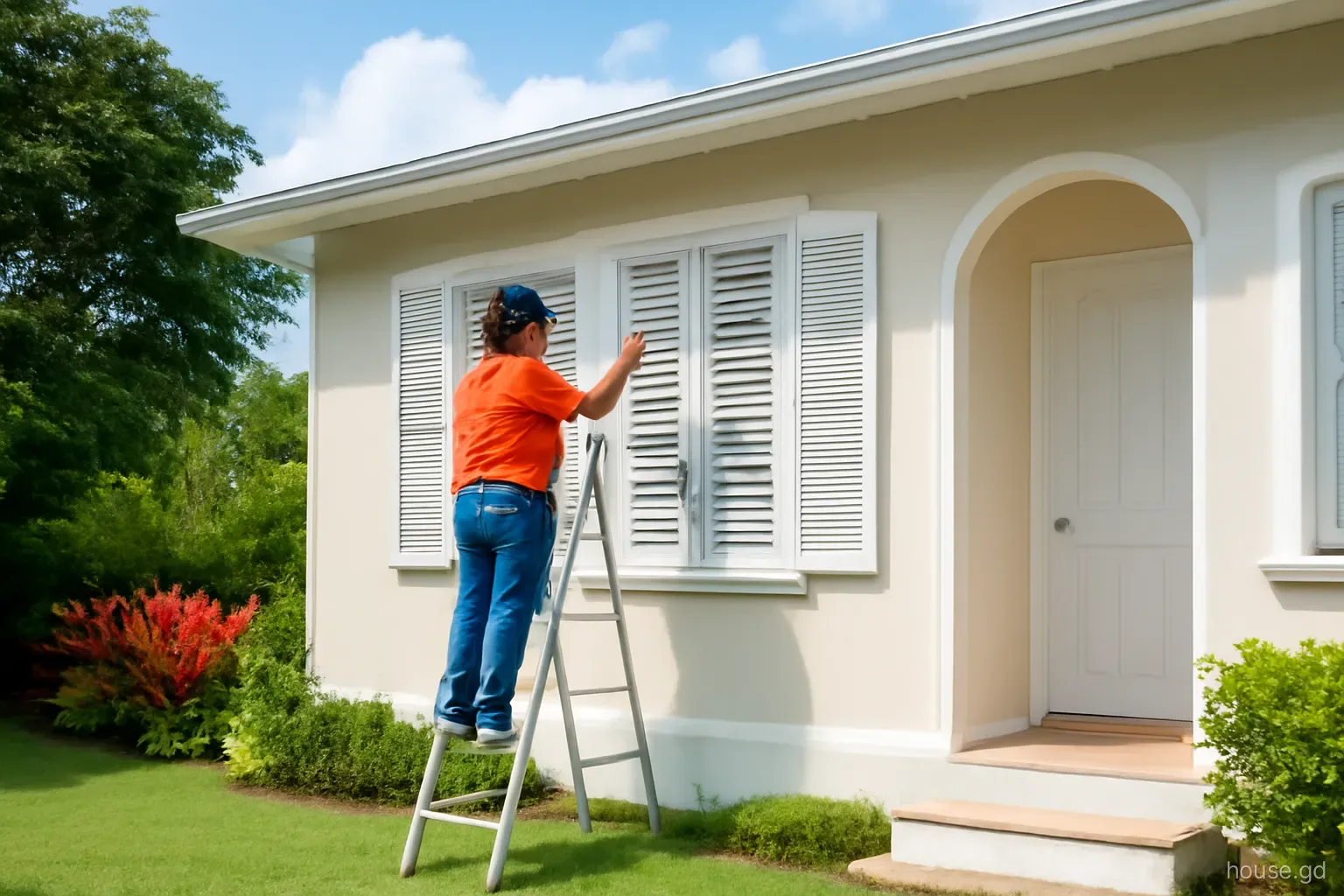
Salt and humidity never stop. Metal corrodes, electronics fail, mould returns to closed rooms and paint chalks and peels. Near the coast, an annual round of painting, rust treatment and replacement is normal, not a sign of neglect.
Termites are patient. Untreated timber, cardboard stored in a cupboard and wooden furniture against a damp wall all invite them. Regular inspections and treatment are part of owning any house here.
Small failures become guest complaints. A dripping air-conditioner, a slow drain or a flickering light that a resident would live with for a week becomes a review in a rental. Repairs have to happen quickly, which costs more.
Island logistics: parts, trades and time
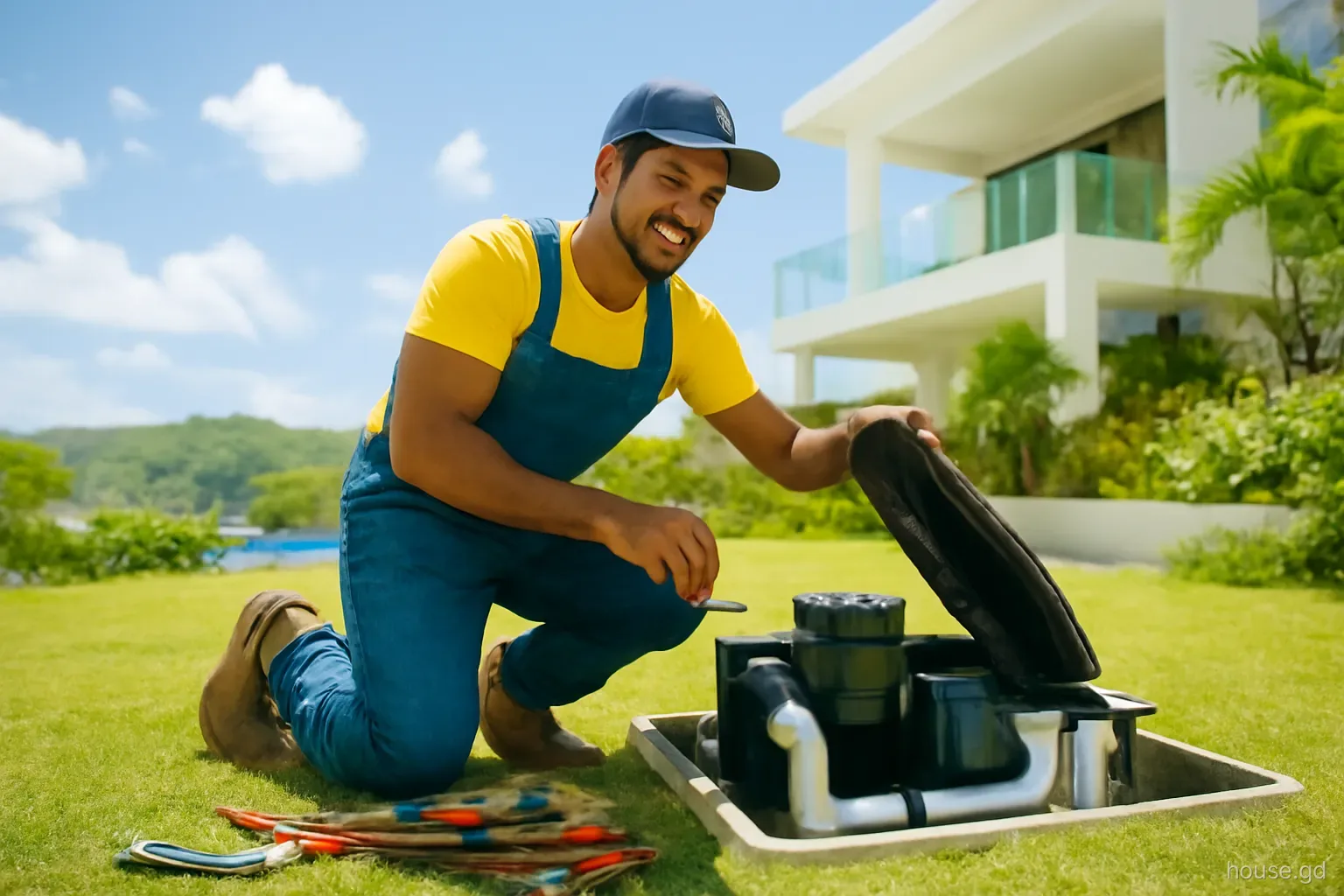
Grenada is a small market supplied largely by sea. A specific part for an air-conditioner, a pool pump seal or a particular brand of water heater may not be in stock locally, and ordering it can take days or weeks. Owners who keep a short list of critical spares on site, such as a spare pump, filter cartridges, a pressure switch, light bulbs and remote controls, avoid many of the longest delays.
Good tradespeople are busy. Electricians, plumbers, air-conditioning technicians and pool specialists serve hotels, villas, businesses and households across the island, and the reliable ones are in demand, particularly before Christmas and after storms. Building a relationship over time, paying promptly and giving clear instructions earns priority when it matters.
Time works differently, too. Things get done, but the pace can feel unhurried to owners used to next-day service, and public holidays, Carnival and heavy rain all affect schedules. A manager who knows who to call and how to follow up politely is worth a great deal.
Costs that surprise new owners
The headline running costs are usually budgeted. These are the ones that tend to appear later.
- Empty months. Pool service, gardening, security, insurance and basic electricity continue whether or not there are guests.
- Electricity used by guests. Holidaymakers often run every air-conditioner at full power with doors open. Bills in a full month can be far above what a resident household would use.
- Replacement cycles. Linen, towels, mattresses, outdoor cushions, appliances and air-conditioners all need replacing more often than in a home.
- Storm preparation and clean-up. Securing the property before each storm watch, then clearing gardens and repairing minor damage afterwards, adds cost even when the island escapes a direct hit.
- Currency and transfers. Moving money between countries brings bank charges and, for owners whose home currency is not the US dollar, exchange-rate movements against the pegged EC dollar.
- Professional fees. Accountants, attorneys and occasional surveyors are recurring costs for an owner abroad.
Water and power: utilities are part of the product
In a resort, utilities are invisible. In a villa they are the owner's responsibility, and guests notice the moment something stops. On the mainland, the public water supply from NAWASA can be scheduled or interrupted in the dry season, roughly January to May, and repairs to mains can cut supply at short notice. A villa without adequate storage and a working pump will eventually leave a full house of guests unable to shower.
Power from GRENLEC is generally dependable on the mainland, but outages happen during heavy weather and maintenance, and the cost per kilowatt-hour is high by international standards. Owners therefore spend money in two directions at once: on backup, such as batteries or a generator, to keep guests comfortable during cuts, and on efficiency, such as inverter air-conditioners and solar water heating, to keep everyday bills in check.
On Carriacou and Petite Martinique, water storage matters even more, and after Hurricane Beryl owners there have had to rebuild or check catchment, tanks and electrical connections. Wherever the villa is, treat water and power as part of what guests are paying for, and invest accordingly.
Guests, reviews and expectations
Many guests arrive with expectations shaped by large resorts or by holiday rentals in big markets. They expect hot water in every bathroom, fast Wi-Fi, air-conditioning in every bedroom, a fully equipped kitchen and instant responses to messages. Most are delighted by Grenada, but a single unmet expectation, a dry tap during a water cut, an outage on a hot night, a gecko in the shower, can colour a review.
Clear, honest information prevents most problems. A house guide that explains the water system, what happens during power or water cuts, how to use the air-conditioning efficiently, what wildlife to expect and where to find local shops, markets and beaches helps guests adapt. Photographs and descriptions should show the property as it is, including the steep drive or the short walk to the beach.
Reviews accumulate slowly and fall quickly. A new owner's first season matters disproportionately. Many owners deliberately price slightly below the market in their first months to build a base of strong reviews, then raise rates once the listing is established.
Storms, insurance and the long view
Grenada lies towards the southern edge of the main Atlantic hurricane belt, and for decades many people believed it was largely safe. Hurricane Ivan in 2004 changed that perception on the mainland, and Hurricane Beryl in July 2024 caused severe damage on Carriacou and Petite Martinique. Most years pass without a direct hit, but owners need a plan for the year that does not.
That means a structurally sound property with secure roof fixings and shutters, insurance with a clearly understood windstorm deductible, cover for loss of rental income, and a manager with a written storm procedure. It also means cash reserves. After a major storm, insurance claims take time, contractors are scarce and materials are in short supply, and an owner who can fund essential repairs immediately gets back to earning sooner.
Taking the long view also means accepting that rental income can be interrupted. A villa bought on the assumption that it must earn every season to cover a mortgage is under pressure from the first difficult year; one bought with headroom can ride out a bad season.
Community, neighbours and belonging
Grenada is a small country. News travels. How an owner treats staff, contractors and neighbours becomes known quickly, and it affects who wants to work for you. Fair pay, respect and paying on time matter.
Neighbours notice guests. Noise, parking and large parties affect people who live next door year-round. House rules on quiet hours and parties, enforced by the manager, keep relations good, especially in residential areas and strata developments.
Local knowledge is valuable. Owners who spend time on the island, learn its rhythms and support local businesses, from the market in St George's to restaurants and guides, tend to have better relationships, better staff and better guest recommendations.
It can become more than an investment. Many owners find their connection with Grenada growing over the years, through staff, neighbours and returning guests. That is hard to put in a spreadsheet, but it is often the reason owners stay.
Frequently asked questions
Is owning a rental villa in Grenada profitable?
It can be, particularly for well-located, well-managed properties, but many owners find that rental income mainly covers running costs and part of the purchase price. Personal use and long-term value are often a significant part of the return. Build a realistic projection before buying.
How often do things break in a Grenada rental villa?
More often than in a home in a temperate country. Salt air, humidity and heavy guest use shorten the life of air-conditioners, appliances, metalwork and furnishings. Planned replacement cycles and a repair reserve make these costs predictable rather than alarming.
What happens to a rental villa during a hurricane?
A good manager secures the property beforehand, ensures guests have a plan or have left, and inspects and reports afterwards. Insurance, a structurally sound building and cash reserves determine how quickly the villa can reopen after any damage.
Are spare parts easy to get in Grenada?
Common items are usually available, but specific parts for particular appliance brands, pool equipment or water heaters can take time to arrive. Keeping key spares on site and choosing brands with local support reduces downtime.
How do neighbours feel about holiday rentals?
Most accept them, especially when guests are respectful. Problems tend to arise from noise, parking and parties. Clear house rules, a responsive manager and good communication with neighbours prevent most issues.
How much time does an absentee owner need to spend on the villa?
Even with a full-service manager, expect to review statements monthly, approve larger repairs, answer questions during storms and visit at least once a year. Owners who self-manage bookings should expect daily attention during busy periods.