
Every January and August several hundred new students arrive at St George's University at True Blue, and a large share of them need somewhere to live off campus. The result is a rental market shaped by the academic calendar: apartments built and furnished for students, landlords who know exactly what medical and veterinary students need, and a scramble for the best places in the weeks before each term.
Choosing well makes a real difference to study. Long walks in the midday heat, an apartment without backup power during exam week or a roommate arrangement that falls apart all cost hours that students do not have. This guide compares the main areas, explains sharing and transport, and lists what to check before signing for a semester or a year.
On campus or off campus?
The university has offered on-campus housing, but space is limited and many students live off campus, especially after their first terms. On-campus rooms remove the commute and simplify security, while off-campus apartments usually offer more space, a private kitchen and the option of living with friends or a partner.
The university's housing office has historically provided guidance on off-campus accommodation, and some landlords advertise that their properties meet the university's standards or have been inspected. Check what the housing office currently offers, because policies change, and treat any claim of university approval as something to confirm directly rather than accept from an advert.
Students bringing families or pets, and veterinary students with long practical schedules, generally find off-campus houses suit them better. Students who want the simplest possible first term often choose on-campus or very close housing and look further afield once they know the island.
The main areas compared
True Blue. Closest to campus, with many apartment buildings within walking distance. Rents are among the highest for the size, and places fill quickly before each intake. Ideal for students who want to walk to class and the library.
Grand Anse and Morne Rouge. A short drive or bus ride away, close to the beach, supermarkets, banks and restaurants. A wider range of apartments, from basic to newer complexes with pools. Traffic around Grand Anse at peak times is worth considering.
Lance aux Epines. A quieter residential peninsula with larger houses and apartments, popular with students in groups and with families. Further from shops, so a car or reliable lift helps.
Calliste and Frequente. Between campus and Grand Anse, with mixed local and student housing and some of the more affordable options within easy reach of True Blue.
Further afield. Areas such as Woburn, Belmont or the hills above Grand Anse can offer more space for less money, but transport becomes the deciding factor.
Getting to class: transport realities
Distances in the south of Grenada are short on a map but feel longer on foot. Roads can be steep and narrow, pavements are often missing and the afternoon sun is strong, so a twenty-minute walk in the heat is very different from a twenty-minute walk in a temperate city. Many students who plan to walk end up using buses or taxis more than expected.
Privately operated minibuses serve the Grand Anse and south coast area, with Route 1 running between St George's and the Grand Anse side. They are cheap and frequent in the daytime but thin out at night and on Sundays. Some apartment complexes and the university have offered shuttle services to campus; ask whether the building you are considering is on a shuttle route and how reliable it is.
Students with a car need a local driving permit, which is issued on the strength of a valid foreign licence. Parking at the apartment and at campus, insurance and the cost of fuel should all be part of the budget. Ride-sharing among roommates is common and cuts costs considerably.
What to check in a student apartment
Beyond the usual checks for any rental, students should ask about the things that affect study and safety.
- Backup power. Does the building have a generator or solar with batteries, and does it cover air conditioning and internet, or only lights? Outages during exams are a real concern.
- Internet. Is it included, what speed is promised, and can you add your own connection from Flow or Digicel if the shared one is slow?
- Air conditioning in bedrooms. Quiet, working units in each room make sleep and study possible in the hot months. Ask who pays for servicing.
- Water storage. A tank and pump keep showers running when the public supply drops.
- Security. Lockable bedroom doors, burglar bars, lighting, a secure gate or a caretaker on site.
- A quiet study space. A desk and good light in each bedroom, not only a sofa and a dining table.
- Laundry. An in-unit washing machine or a shared laundry room saves time every week.
- Distance on foot after dark. Walk the route to the nearest shop and bus stop in the evening before committing.
Sharing with roommates
Sharing a two- or three-bedroom apartment is the most common way students keep costs down. It works best when everyone signs the lease or when one tenant signs and the arrangement among the others is written down: who pays what share of rent, deposit and utilities, and what happens if someone leaves mid-semester or fails a term.
Electricity is the usual flashpoint. Air conditioning running all night in one bedroom and not in another makes an equal split feel unfair. Agree in advance how bills will be divided, and consider landlords who include a fixed electricity allowance or separate meters.
If a roommate leaves, the remaining tenants may be liable for the full rent under a joint lease. Ask the landlord before signing how they handle replacements, and whether a departing student can find a substitute tenant approved by the landlord.
Leases and the academic calendar
Many student leases follow the semester, running for about four months, while others are for a year with the option to stay through breaks. A year-long lease often brings a lower monthly rent, but leaves you paying for months away from the island. Some landlords offer reduced rates or storage during breaks; ask.
Students moving on to clinical rotations abroad after the basic sciences should look carefully at notice periods and break clauses. A lease that runs beyond your time on the island can be costly to escape. Plan your housing alongside your academic timeline, and confirm in writing what happens if your programme schedule changes.
Finally, start early. For the best places within walking distance of True Blue, many students secure housing well before arriving, through recommendations from current students, verified agents or the university's guidance. Ask senior students which landlords respond quickly to repairs; that reputation matters more than a pool.
Pitfalls students should avoid
The most common mistake is paying a deposit for a place seen only in photographs, from someone whose identity was never confirmed. Scam listings target incoming students precisely because they search from abroad under time pressure. Use established agents, landlords recommended by current students or properties you or a trusted person can view in person.
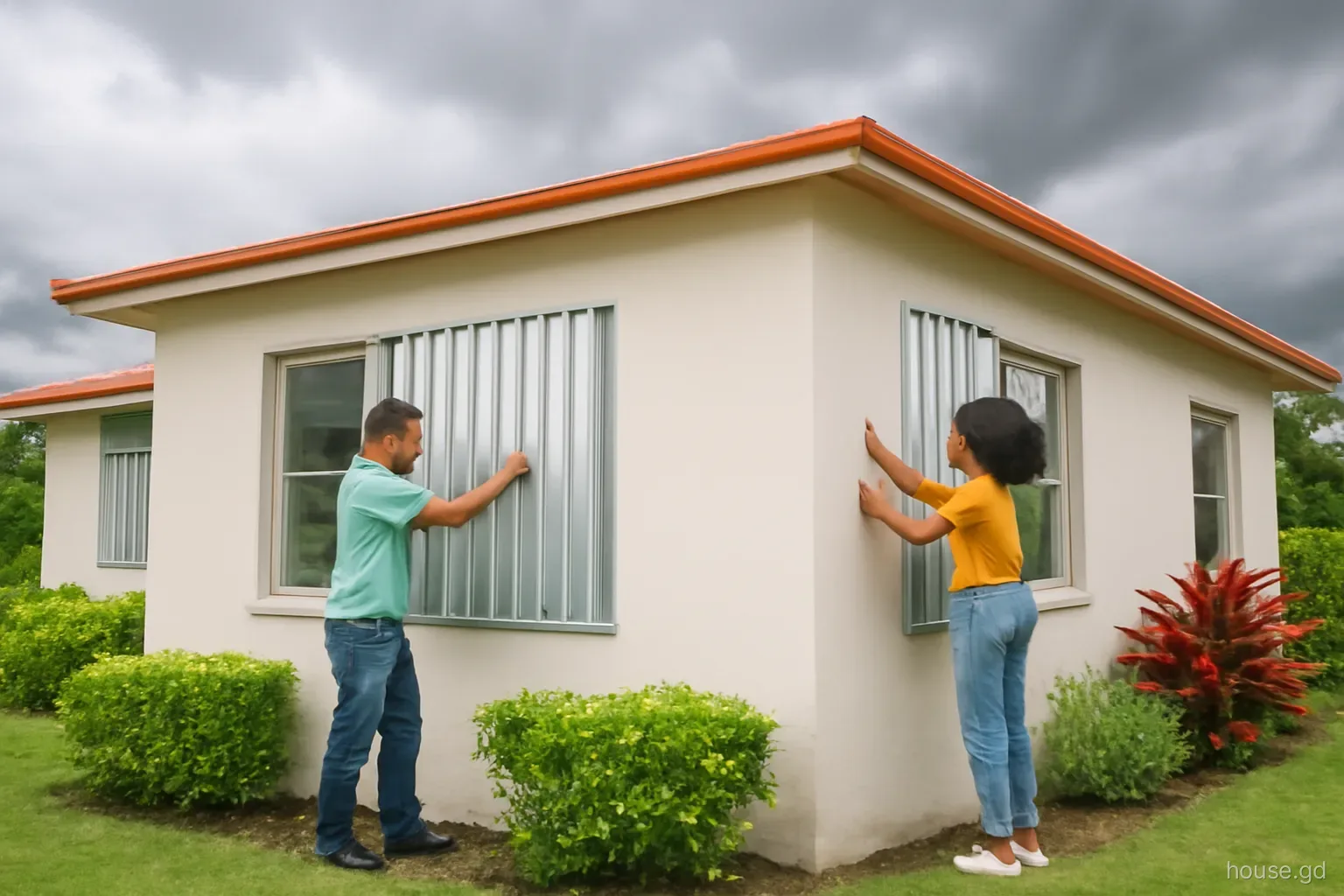
Other regrets include choosing on price alone and ending up far from campus without transport, signing a lease without a clear utilities arrangement, and ignoring hurricane season. Students arriving in August land in the middle of it, so ask how the building prepares for storms, whether it has shutters, and how the landlord communicates when a warning is issued. Knowing that in advance turns an alarming first storm into a manageable one.
Budgeting beyond the rent
The monthly rent is only part of what living off campus costs. Electricity is usually the biggest extra, and it rises sharply with air conditioning; students who run units all night in several bedrooms can face large bills. Add internet if it is not included, cooking gas, drinking water, transport and contents insurance for laptops and other valuables. Ask the landlord or the previous tenants what typical monthly bills have been, and build a margin into the budget for the hottest months. Groceries cost more than many students expect, because much food is imported, so cooking with local produce from the markets is one of the easiest ways to keep spending under control. A shared spreadsheet among roommates for rent, bills and groceries prevents most money arguments before they start.
Frequently asked questions
Where do most St George's University students live?
Many live off campus in True Blue, Grand Anse, Morne Rouge, Calliste and Lance aux Epines, all within a short drive or bus ride of the True Blue campus. Some live on campus, particularly in their first terms, though space is limited.
How much is student rent near SGU?
It varies with size, distance from campus and amenities. Furnished one-bedroom apartments near True Blue and Grand Anse are often advertised from several hundred to well over a thousand US dollars a month. Sharing a larger apartment usually reduces the cost per person.
Can students walk to SGU from Grand Anse?
Some do, but the walk can be long, hilly and hot, and pavements are patchy. Many students combine walking with Route 1 minibuses, taxis, shuttles where offered, or car-sharing with roommates, especially for early classes and late library sessions.
Do student apartments in Grenada have generators?
Some do and some do not. Power cuts are less frequent than in the past but still happen, particularly around storms. Ask whether backup power covers air conditioning and internet as well as lights, since that matters most during exam periods.
How early should incoming students secure housing?
For places close to campus, a couple of months before the January or August intake is sensible, as the best apartments go first. Use verified landlords or agents, and avoid paying deposits to anyone you cannot confirm.