In Grenada the word "furnished" covers a wide range. It can mean a fully equipped villa with linens, kitchenware, a smart television and a stocked utility room, or a bed, a sofa and a fridge that has seen better days. "Unfurnished" can mean a bare shell without even a stove, or a house with a kitchen fitted and air conditioning installed. Before comparing rents, it pays to know exactly what each listing includes.
The choice matters more on an island than on the mainland. Furniture and appliances are largely imported, carry duty and VAT, and take time to arrive if ordered from abroad. This guide sets out what each type of rental typically offers, what it really costs to furnish a home in Grenada, and which option suits different lengths of stay.
What "furnished" usually means
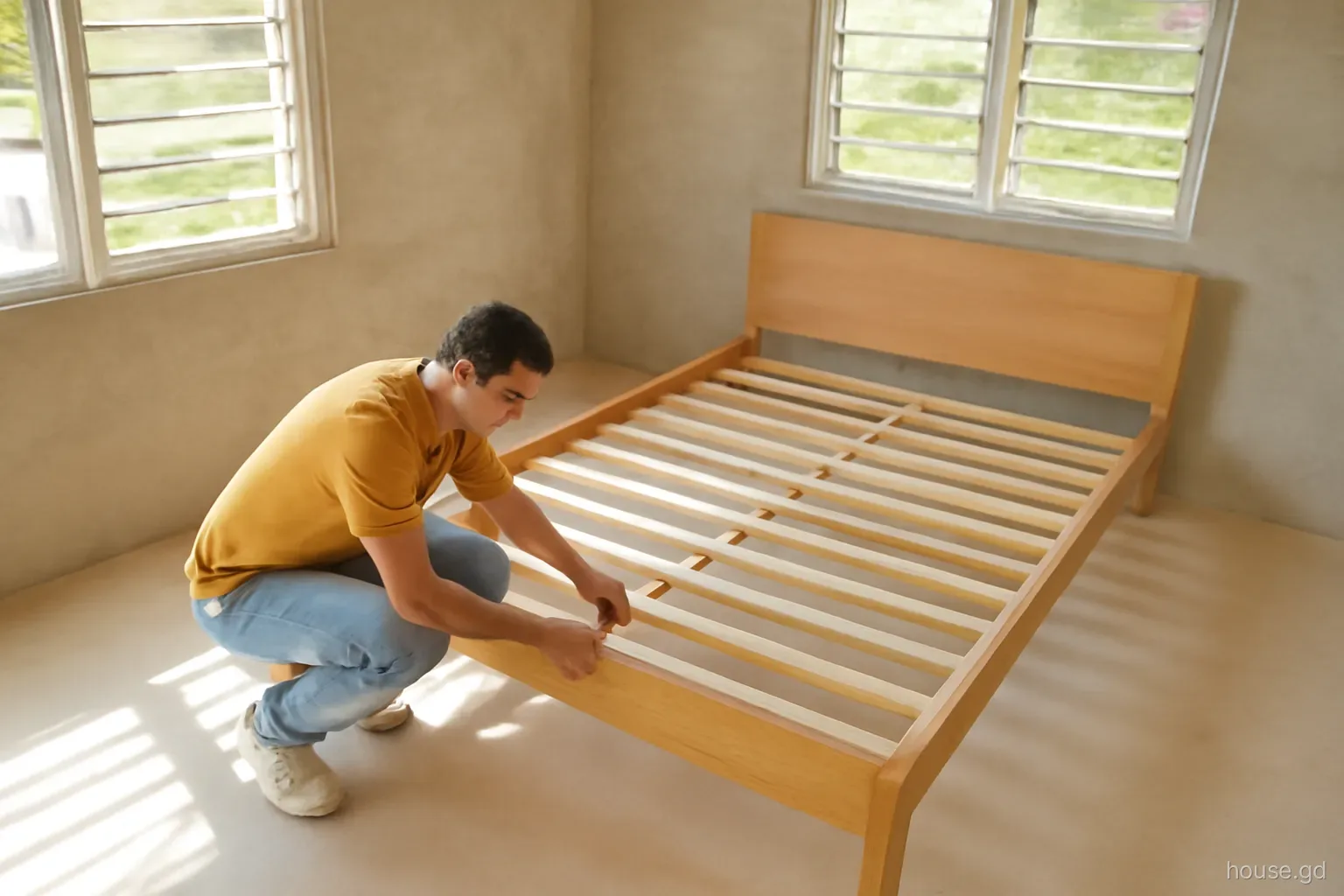
Furnished rentals dominate the market in the south of the island, where they are aimed at students, expatriate professionals, medical staff and visitors staying a few months. A typical furnished apartment includes beds and mattresses, a sofa and chairs, a dining table, wardrobes or built-in closets, a fridge, a stove, a microwave and air conditioning in at least one room. Many also provide kitchenware, bed linen and towels, a washing machine and a television.
Higher-end furnished homes in Lance aux Epines, Westerhall or Fort Jeudy may also include a dryer, outdoor furniture, a generator, and a cleaner or gardener as part of the arrangement. At the basic end, furniture may be tired and appliances old, so condition matters as much as the list.
The rent for a furnished home is higher than for the same space unfurnished, and furnished landlords often ask for a larger deposit and a more detailed inventory. The convenience is real, though: you can arrive with a suitcase and be living normally within a day.
What "unfurnished" usually means
Unfurnished rentals are more common outside the student belt and among Grenadian families, in areas such as St Paul's, Morne Jaloux, Grand Roy, Grenville and Gouyave. The rent per square foot is usually lower, leases are often longer and landlords may be more relaxed about pets and alterations.
An unfurnished house in Grenada normally has a fitted kitchen with cupboards and a sink, bathroom fittings, ceiling fans or light fittings and burglar bars. It may or may not include a stove, fridge, water heater or air conditioning units. These details vary so much that you should ask about each one specifically rather than assume.
Some listings are described as "semi-furnished", meaning the major appliances stay but there is little or no furniture. For many long-term tenants this is the best of both: the expensive, hard-to-move items are provided, and you choose the furniture yourself.
The real cost of furnishing a home in Grenada
Appliances cost more than abroad. Fridges, stoves, washing machines and air conditioning units are imported, and prices in Grenadian stores usually include duty and VAT. Expect to pay noticeably more than in the United States for the same model.
Furniture can be bought new, made locally or found second-hand. Furniture stores in and around St George's and Grand Anse stock imported ranges. Local carpenters build solid hardwood furniture to order, often better suited to humidity than flat-pack. Departing expatriates and students regularly sell household items through online groups.
Shipping your own goods. Bringing furniture in a container is worthwhile mainly for long stays. Shipping costs, port fees, customs clearance, duty and VAT on items that do not qualify for concessions, and the time involved all add up. Returning nationals may qualify for concessions; most foreign tenants do not.
Delivery and setup. Larger stores generally deliver, but getting a fridge up a steep, narrow road to a hillside house can take ingenuity and an extra fee.
Climate-proofing. Mattresses, upholstery and wooden furniture suffer in humidity. Plastic covers, dehumidifiers in closed rooms and regular airing are part of the cost of ownership.
Which option suits which tenant
The right answer depends mainly on how long you are staying, how much you already own and how settled you want to feel.
- A semester or a short contract: furnished is almost always cheaper overall, because buying and reselling furniture for a few months rarely makes sense.
- One to two years: furnished still often wins on simplicity, though a semi-furnished home with a few purchases of your own can be a good compromise.
- Three years or more: unfurnished becomes more attractive, especially if the lower rent covers the cost of furniture within the first year or two.
- Families with children: unfurnished family houses outside the student areas offer more space and yard for the money.
- Those testing Grenada before buying: furnished rentals keep options open and avoid accumulating goods before the decision is made.
- Pet owners: unfurnished landlords tend to be more flexible about animals than owners of furnished homes.
Checking a furnished home before you sign
A furnished home is only as good as the condition of what is in it. Sit on the sofa, lie on the bed, open the fridge and check that it is cold, light every stove ring, run the washing machine if possible and switch on each air conditioning unit for a few minutes. Look for mould on mattresses and inside wardrobes, rust on metal furniture and damp smells in rooms that are kept closed.
Agree in writing what happens if an appliance breaks during the tenancy. In most cases the landlord should repair or replace items that fail through age or normal use, while the tenant pays for damage they cause. Without that understanding, a broken fridge in a hot week becomes an argument.
Make sure every item on the inventory is in the house when you move in, and note anything that is not. If you would prefer a particular item removed, perhaps an old mattress you want to replace, ask before signing, and confirm where the landlord will store it.
Mistakes tenants make with this choice
The most expensive mistake is choosing an unfurnished home for a short stay because the rent looks lower, then spending far more than the difference on furniture and appliances that sell for a fraction of their cost when you leave. Do the arithmetic over the whole period before deciding.
Another is assuming that "furnished" includes everything needed for daily life. Ask specifically about kitchenware, bedding, towels, an iron, cleaning equipment, a water filter and fans. Small items add up quickly when bought new on the island.
Finally, tenants who bring their own furniture into a furnished home, or buy large items for an unfurnished one, sometimes forget about moving out. Plan how you will sell or ship things when you leave. Selling to the next tenant or the landlord is often the easiest solution, and some landlords are happy to buy good appliances at a fair price.
Negotiating what stays and what goes
Furnishing is often more negotiable than tenants realise. A landlord with a furnished apartment that has sat empty may be willing to remove old furniture, add a desk or a second air conditioning unit, or replace a worn mattress to secure a long lease. An unfurnished landlord may agree to install a water heater or a stove if you commit for a year or more, or reduce the rent if you buy those items yourself and leave them behind.
Put any such agreement in the lease, with a list of what the landlord will provide and by when. If you buy an appliance that will stay in the house, agree in writing whether the landlord will reimburse part of the cost, deduct it from rent, or buy it from you at the end. Clear terms turn a potential dispute into a fair trade, and they give landlords confidence that a tenant is planning to stay.
Frequently asked questions
Are most rentals in Grenada furnished?
In the south, near Grand Anse, True Blue and Lance aux Epines, most rentals aimed at students and expatriates are furnished. Elsewhere on the island, many long-term rentals for local families are unfurnished or semi-furnished, usually at lower rents.
How much more do furnished rentals cost in Grenada?
The premium varies with the quality of the furniture and the area, but furnished homes typically rent for noticeably more than equivalent unfurnished ones. Compare the difference over your planned stay with the cost of buying furniture locally.
Is it worth shipping furniture to Grenada?
It can be for long stays or for those who qualify for returning national concessions. For most foreign tenants, shipping costs, port fees, duty and VAT make it cheaper to rent furnished or to buy locally, new or second-hand.
Does unfurnished include appliances in Grenada?
Sometimes. Unfurnished homes usually have a fitted kitchen and bathroom, but the stove, fridge, water heater and air conditioning may or may not be included. Ask about each item and record what is provided in the lease.
Who repairs furniture and appliances in a furnished rental?
Usually the landlord repairs or replaces items that fail through age or normal use, while the tenant pays for damage they cause. This should be stated in the lease, along with how quickly repairs will be made.