
Most holiday-rental owners in Grenada live somewhere else: the United Kingdom, the United States, Canada, the wider Caribbean or the Grenadian diaspora. That distance shapes the whole business. Someone has to meet guests, fix a leaking pump on a Sunday, check the house after a tropical storm, keep the pool clear and answer a message at two in the morning when the power fails.
There are three broad ways to arrange that: hand everything to a full-service management company, manage bookings and guests yourself with local people handling the physical work, or a hybrid of the two. Each can work well. The right choice depends on how much time you have, how close you are, the size of the property, and how much control you want over pricing and guest experience. This article sets out the trade-offs and how to protect yourself whichever route you take.
What a full-service manager typically does
Marketing and bookings. Creating and maintaining listings on booking platforms and the manager's own channels, setting rates, handling enquiries and taking payments.
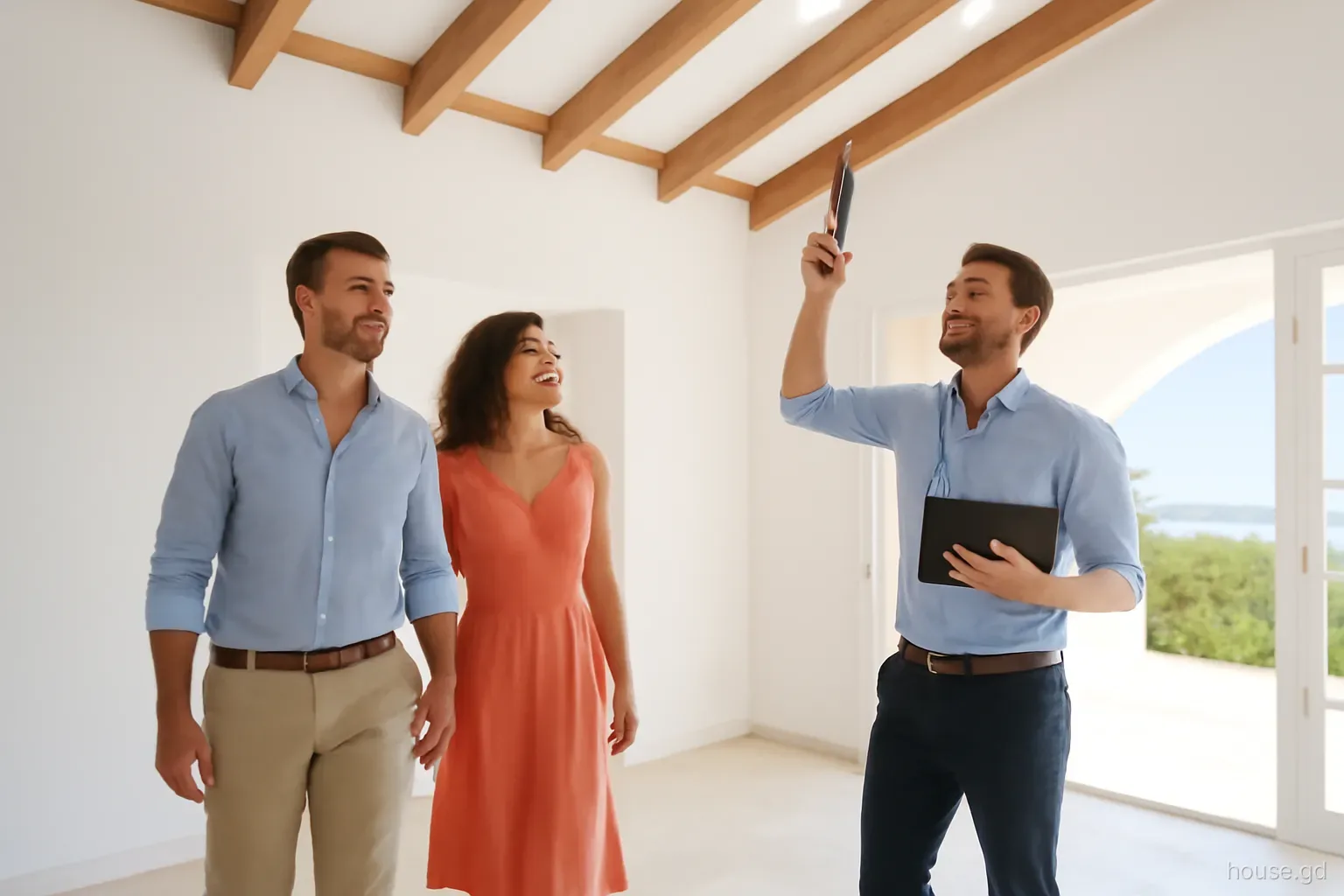
Guest service. Pre-arrival communication, airport pick-up arrangements, check-in, being reachable during the stay and handling problems on the spot.
Housekeeping and laundry. Cleaning between stays, linen and towels, mid-stay services for longer bookings, and restocking basics.
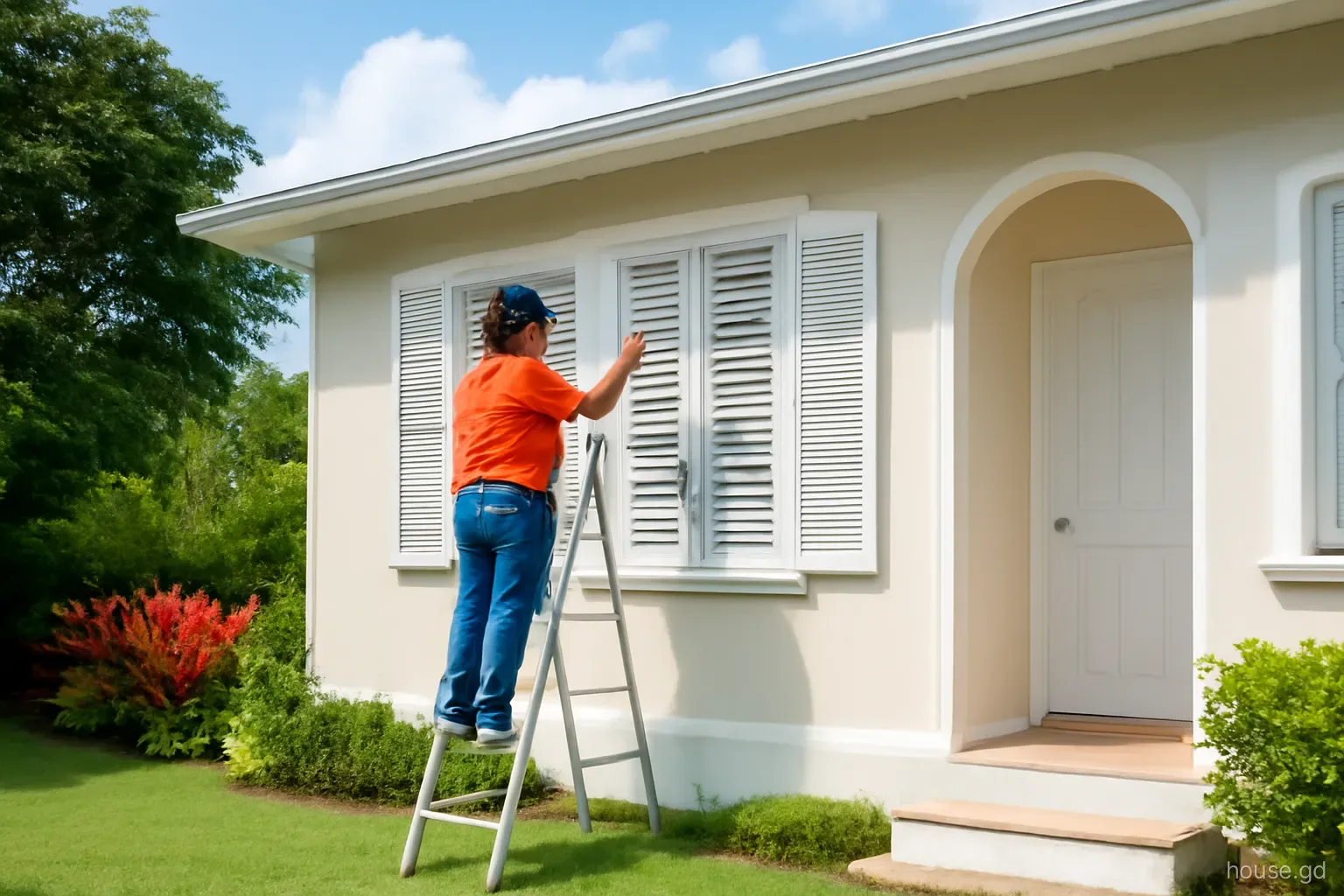
Maintenance. Arranging pool service, gardening, pest control, air-conditioner servicing and repairs, and inspecting the property between bookings.
Accounts. Monthly owner statements, collecting and paying over taxes where agreed, paying local bills from rental income and keeping receipts.
Storm and security cover. Securing the property when a storm threatens, inspecting afterwards, and dealing with insurers and contractors on the owner's behalf.
Fees. Full management in the Caribbean is often charged as a percentage of rental revenue, commonly somewhere around 15 to 30 per cent, sometimes with separate charges for cleaning, maintenance call-outs and supplies. Always compare what is included, not just the percentage.
Self-managing from abroad: what it really involves
Running the listing, pricing and guest communication yourself saves the management percentage and keeps control in your hands. Many owners do this successfully, particularly with a single apartment or small villa. It suits people who enjoy hospitality, respond quickly to messages and are willing to treat the rental as a part-time job.
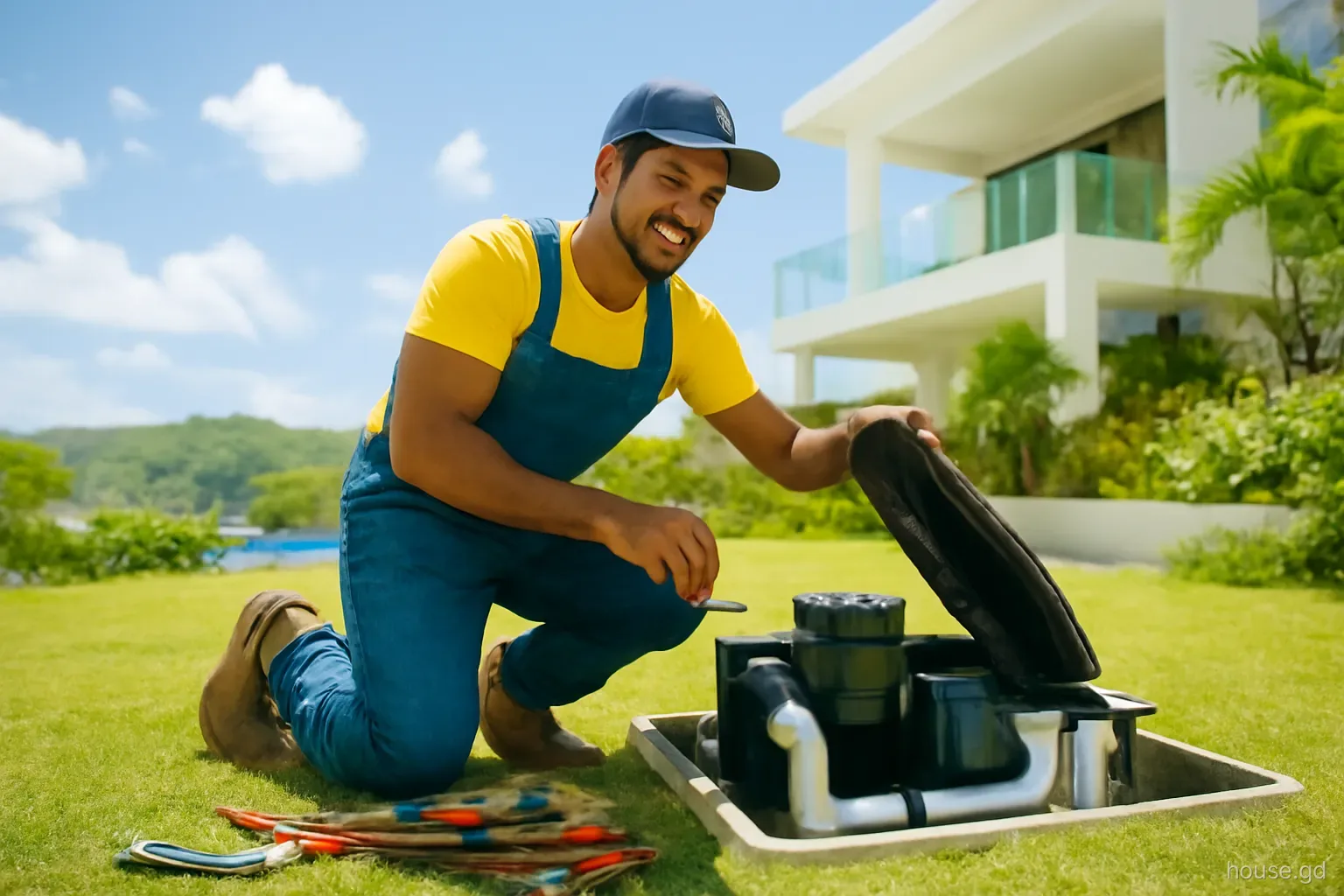
What cannot be done from abroad is everything physical. You still need a reliable local team: a housekeeper for changeovers, someone to meet guests or manage a key safe, a pool service, a gardener, and a handyman or electrician who will answer when the water pump stops. Above all you need a trusted person who can go to the house at short notice. Time zones matter: a UK-based owner is several hours ahead of Grenada, and guest problems tend to happen in the evening.
The hidden costs are time and fragility. If your housekeeper is ill during Carnival week or your caretaker moves away, you are rebuilding the team from a distance. Owners who self-manage well usually have a backup for every key role and a written checklist for each one.
Paying the local team fairly and on time matters more than any software. In a small island community, good housekeepers and handymen are in demand from hotels, villas and private households alike, and they will prioritise owners who respect their time, pay promptly and give clear instructions. Agree rates in advance, settle them in the currency agreed, usually EC dollars, and keep simple records of what was paid and for what. When something goes wrong in the middle of a booking, those relationships are what get a technician to the house the same afternoon.
The hybrid model
Many owners settle somewhere in between, splitting the work according to what they do best.
- The owner runs listings, pricing and guest messages, while a local caretaker company handles cleaning, check-ins, maintenance and storm preparation for a fixed monthly fee plus call-outs.
- A manager handles everything during the busy season, while the owner takes over during months of personal use or quiet periods.
- The owner markets to repeat guests and friends directly, and the manager fills remaining dates through platforms.
- A family member living in Grenada acts as the owner's eyes, inspecting periodically and approving larger repairs, while a professional team does the work.
- Hybrids work best when responsibilities are written down. The commonest failure is a gap between "the manager thought the owner was dealing with it" and the reverse.
Keeping an eye on things from a distance
Keyless entry. A good-quality smart lock or a robust key safe removes the need for someone to meet every guest, and codes can be changed for each stay. Choose hardware that copes with salt air and humidity, and keep a physical key with your caretaker for when batteries or electronics fail.
Monitoring that respects guests. Some owners use exterior cameras covering the entrance and driveway, or noise monitors that measure sound levels without recording speech. Booking platforms have strict rules on disclosure and forbid cameras in private spaces, so read them carefully and state any devices clearly in the listing.
Utility tracking. Reading the GRENLEC meter at each changeover, or using a monitoring device on the main supply, shows quickly when an air-conditioner is left running in an empty house or a pump is cycling because of a leak.
Inventories with photographs. A dated photo inventory of every room, updated after each deep clean, settles disputes over damage or missing items and helps a replacement manager take over smoothly.
Regular inspections. Even with a manager, ask for a documented inspection every quarter, including the roof, gutters, cistern, air-conditioner drains and signs of termites, and plan your own visit at least once a year.
How to vet a property manager
Grenada is a small place and reputations travel, but check carefully anyway. Before signing, work through these steps.
- Ask how many properties they manage, where, and of what size. A firm with a few villas in Lance aux Epines may not suit a cottage in Gouyave.
- Ask to speak to two or three current owners, ideally ones who have been with the manager through a hurricane season.
- Read the reviews on the manager's existing listings. They show how guests experience the service.
- Request a sample monthly owner statement, and check that it lists each booking, each expense with receipts and the fees deducted.
- Ask how rental money is held. Owner funds should be kept separately from the company's own money.
- Ask about staff: are cleaners and caretakers employees or casual workers, and are employer obligations met?
- Ask for their hurricane procedure in writing, including what they do before, during and after a storm and how they communicate with owners.
- Have a Grenadian attorney review the management agreement before signing.
The management agreement: clauses to read twice
A clear agreement saves friction later. Check the term and how either side can end it, including notice periods and what happens to future bookings already taken. Some agreements require long notice or charge a fee to leave; others let the manager keep bookings made on its channels.
Look at spending limits: a sensible agreement lets the manager authorise routine repairs up to a stated amount, with anything larger needing owner approval except in emergencies. Check how owner stays are handled, who sets rates and minimum stays, whether the manager can change prices without consulting you, and how cleaning fees and guest damages are dealt with.
Finally, check ownership of the listing and its reviews. On many platforms, reviews belong to the account that hosted the stay. If the manager lists under its own account, you may lose your review history when you change managers. Some owners insist on the listing being in their own name with the manager as co-host, which keeps continuity whatever happens.
Frequently asked questions
How much do property managers charge in Grenada?
Full-service management is commonly charged as a percentage of rental revenue, often somewhere around 15 to 30 per cent, with extra charges for cleaning, supplies and maintenance call-outs in some agreements. Caretaker-only services may be a fixed monthly fee. Compare exactly what each fee covers.
Can a Grenada holiday rental be managed entirely from abroad?
Bookings and guest communication can be handled remotely, but the physical side cannot. You need reliable local people for cleaning, check-in, maintenance and emergencies, plus a trusted person who can reach the house quickly. Most successful remote owners have backups for each role.
What should an owner statement show?
Each booking with dates and amounts, platform fees, management fees, every expense with receipts or invoices, taxes collected and paid, and the balance due to the owner. Statements should be regular, usually monthly, and easy to reconcile with platform reports.
Who should own the booking listing?
Ideally the owner, with the manager added as a co-host or administrator. That way reviews and booking history stay with the property if management changes. Check the agreement and the platform's rules before setting up the listing.
What happens to the villa during a hurricane?
A good manager follows a written plan: securing shutters and outdoor furniture, protecting the pool area, shutting off gas and some electrics, then inspecting and reporting afterwards. Agree the plan in advance, and confirm who deals with guests already in the house.
Is it worth paying a manager for a small apartment?
It depends on your time and distance. For a one-bedroom unit, the management percentage can take much of the margin, so many owners use a caretaker for physical work and handle bookings themselves. Larger villas usually benefit more from professional management.