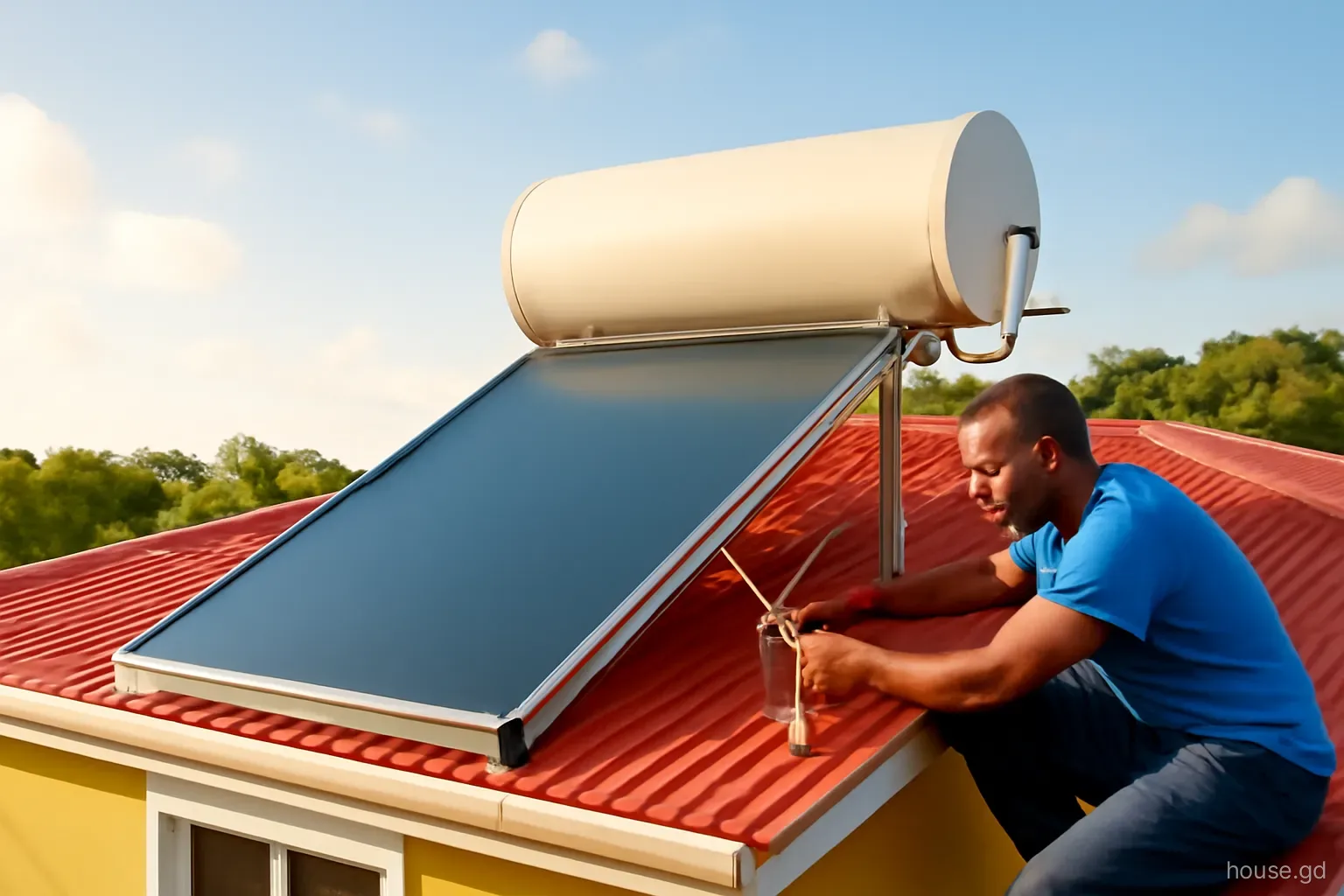
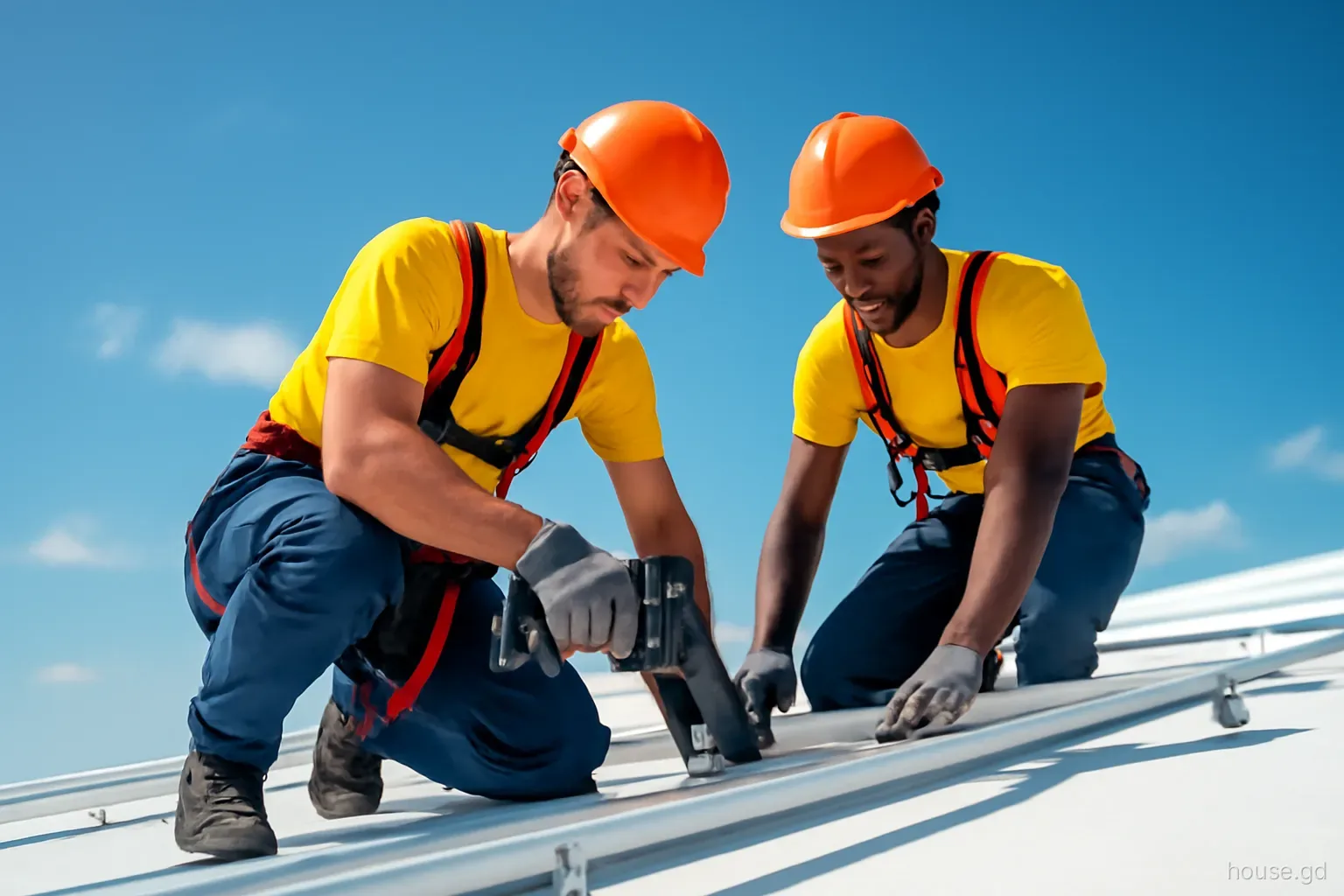
Solar in Grenada is a young trade compared with roofing or masonry, and the range of people offering installations is wide: established electrical contractors, specialist renewable-energy firms, general builders who have added panels to their list, and individuals importing kits. Prices for what looks like the same system on paper can differ by a third or more, and the cheapest quote is not always the worst, nor the dearest the best.
What separates a good installation from a poor one is mostly invisible once the job is done: how the rails are fixed to the roof, what is behind the inverter, how cables are routed and protected, whether the production estimate was honest and whether anyone will answer the phone in year six. The questions below are designed to bring those details into the open before you pay a deposit.
Questions about the company
1. Who will do the electrical work, and are they licensed? Connection to the house wiring and the grid must be done by a licensed electrician. Ask for the name of the person who will sign off the work, not just the company.
2. How many installations like mine have you completed in Grenada? Ask for addresses of two or three finished systems of similar size, ideally a few years old, and permission to speak to the owners. Systems that have come through a hurricane season are the best reference.
3. Who handles the GRENLEC application? Most reputable installers manage the interconnection paperwork. Get it in writing that the system will not be energised before approval, and ask how long approvals are currently taking.
4. What happens if you stop trading? Small firms come and go. Manufacturer warranties survive the installer only if the equipment was bought through proper channels and registered in your name. Ask for proof of both.
5. Do you carry liability insurance? Work on a roof can damage sheeting, gutters and neighbouring property. An insured contractor protects you from paying for their mistakes.
Questions about the equipment and design
6. Exactly which panels and inverter are you quoting? A proper quote names the manufacturer and model of every major component. "Tier 1 panels" or "a 5 kW inverter" is not enough to compare prices or check datasheets.
7. How did you estimate annual production? Ask for the figure in kilowatt-hours per year and the assumptions behind it: tilt, orientation, shading and losses. Around 1,400 to 1,600 kWh per installed kilowatt a year is a reasonable range for a good roof; much higher figures deserve scrutiny.
8. What export credit did you assume in the savings figure? If every kilowatt-hour is valued at your full GRENLEC import rate, the savings are inflated. A credible quote separates self-consumed and exported energy.
9. Is the inverter rated for heat and placed out of the sun? Inverters derate and age faster in heat. A shaded, ventilated wall or indoor utility room is far better than a west-facing outside wall in full afternoon sun.
10. Can the design take batteries later? Even if storage is not in this year's budget, a hybrid-ready inverter or space for an AC-coupled battery avoids replacing equipment later.
Questions about the roof and hurricane resistance
The roof is where most long-term problems start, and where Grenada differs most from mild-climate markets.
- 11. How will the rails be fixed? Fixings should go into rafters, purlins or a concrete slab, using stainless steel or suitably coated hardware, with proper sealing at every penetration. Screwing into roof sheeting alone is not adequate for hurricane winds.
- 12. Was the mounting designed for local wind loads? Ask what wind speed the racking is rated for and whether the layout keeps panels back from roof edges and ridges, where uplift is strongest. Many owners in Grenada also ask a structural engineer to check older roofs.
- 13. Who is responsible for leaks? A written workmanship warranty should cover water ingress at mounting points for a stated period, typically several years, separate from the equipment warranties.
- On a concrete flat roof, ballasted or bolted frames each have trade-offs; ask how the installer prevents ponding and protects any waterproof membrane.
- If the roof covering is more than about fifteen years old or shows rust, replace or repair it first. Removing and refitting an array later costs a large share of the original labour.
Reading the quote itself
Lay competing quotes side by side and convert them to a cost per installed watt: total price divided by the array size in watts. This exposes padding and also flags quotes that are suspiciously low. Then check what is included. A complete quote should cover panels, inverter, racking, cabling, isolators and surge protection, labour, the electrical certification, interconnection paperwork, transport to site and removal of packaging.
Look for what is excluded: roof repairs, trenching for a ground-mounted array, a new meter base, upgrades to an old distribution board, scaffolding on a tall house. These can add several thousand EC dollars once work starts. Ask whether quoted prices include import duty and VAT, and whether any concessions on renewable-energy equipment are being applied. Concessions have been available at times in Grenada, but they are policy decisions that change, so confirm with the installer and, if in doubt, with Customs or the ministry responsible.
Payment terms matter too. A reasonable structure is a deposit on order, a stage payment on delivery of equipment to site and the balance after commissioning and approval. Paying the full amount upfront removes your leverage if the job stalls.
Commissioning, handover and the last question
A professional handover includes a walk-through of the isolators and how to shut the system down safely, the monitoring app or display set up in your name, datasheets and warranty documents for every major component, a wiring diagram and the electrician's certificate. Keep all of it with your property documents; future buyers and insurers will ask.
Check that monitoring works and that you understand what normal production looks like on a sunny day. Within the first month, compare actual output with the estimate. A shortfall of more than ten to fifteen per cent in clear weather points to shading, a fault or an optimistic estimate, and should go back to the installer while the relationship is fresh.
Which leads to the final question, number 14: what does after-sales service look like? Ask whether an annual check is offered, what it costs, how quickly they respond to a fault, and whether they will help secure or inspect the array before and after a hurricane warning. An installer who answers this one clearly has usually thought about the other thirteen as well. Keep their contact details with the system documents, and diarise an inspection each May, before the hurricane season begins, so that loose fixings, cracked sealant or a failing isolator are found in calm weather rather than discovered after a storm.
Red flags that should end the conversation
Some answers, or refusals to answer, are reason enough to move on to the next installer.
- A quote with no equipment models named, only generic sizes and a total price.
- A savings figure that assumes every kilowatt-hour is worth your full import rate, with no mention of export credits or interconnection rules.
- Pressure to sign quickly because a price, a concession or a shipment is supposedly about to expire.
- A request for full payment before any equipment reaches the site.
- Reluctance to put the name of the licensed electrician on paper, or vagueness about who will sign the certificate.
- No plan for fixing into the roof structure, or a suggestion that self-tapping screws into sheeting are fine for hurricane winds.
- No written workmanship warranty, or one that excludes roof leaks at the mounting points.
- Advice to switch the system on before the utility has approved the connection. Apart from breaching the rules, it can leave you without cover if something goes wrong.
Frequently asked questions
How many quotes should you get for solar in Grenada?
Two or three detailed written quotes is usually enough. Give every installer the same twelve months of bills and the same brief, then compare cost per watt, named equipment, production estimates and warranties rather than the headline total.
Is it cheaper to import a solar kit myself?
The equipment may cost less, but you still need a licensed electrician, proper mounting and interconnection approval, and warranties can be harder to claim. Shipping, duty and VAT also apply. For most homeowners, a full local installation is simpler and better supported.
What warranties should a solar system have?
Expect a long product and performance warranty on panels, often 25 years for performance, a shorter warranty on inverters, commonly five to ten years, and a separate workmanship warranty from the installer covering leaks and installation faults.
How long does a solar installation take?
The physical work on a typical house often takes a few days. Ordering equipment, roof preparation and the interconnection approval usually take longer, so the whole process from deposit to switch-on can stretch over several weeks or more.
Should panels be removed before a hurricane?
Properly engineered arrays are designed to stay in place. Removal is slow and can damage panels and the roof. Ask your installer for a storm plan: what to inspect beforehand, how to shut down safely and what checks to make after the storm.
Can a general builder install solar panels?
A builder can fit racking, but the electrical connection must be done and certified by a licensed electrician, and the grid connection needs utility approval. Choose a team that covers both the structural and electrical sides, or coordinate them carefully.